 EN
EN
 INA
INA
Strengthening the National Epidemiology Workforce: FETP Udayana Takes Active Role in Indonesia’s Stakeholder Coordination Meeting
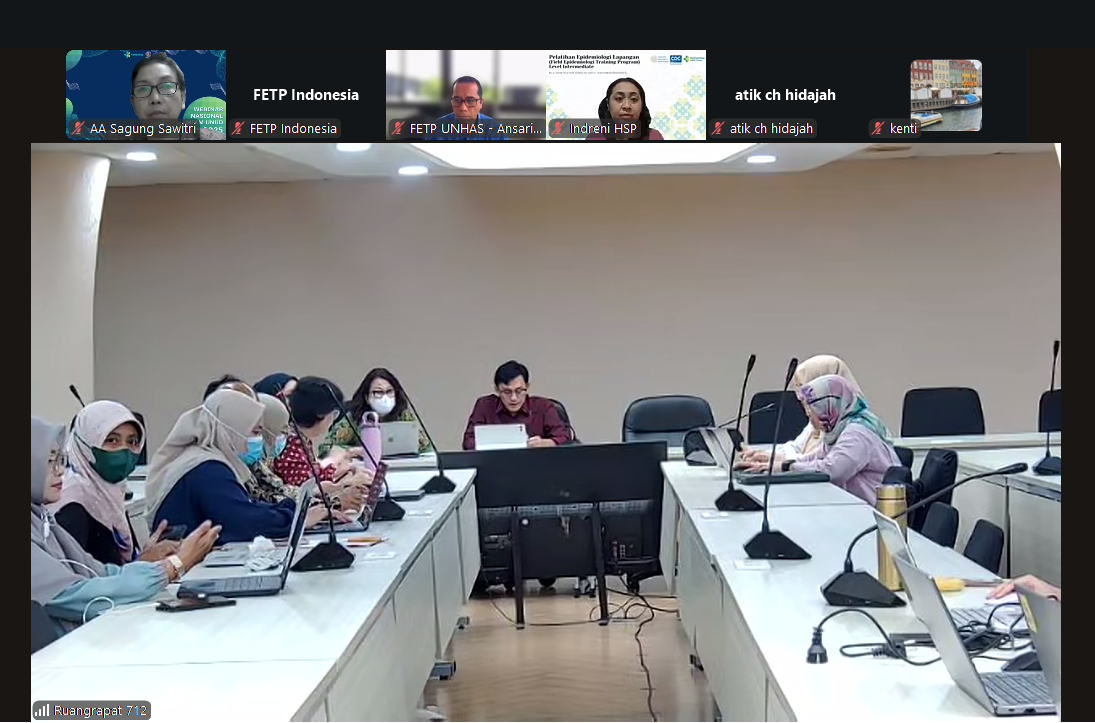
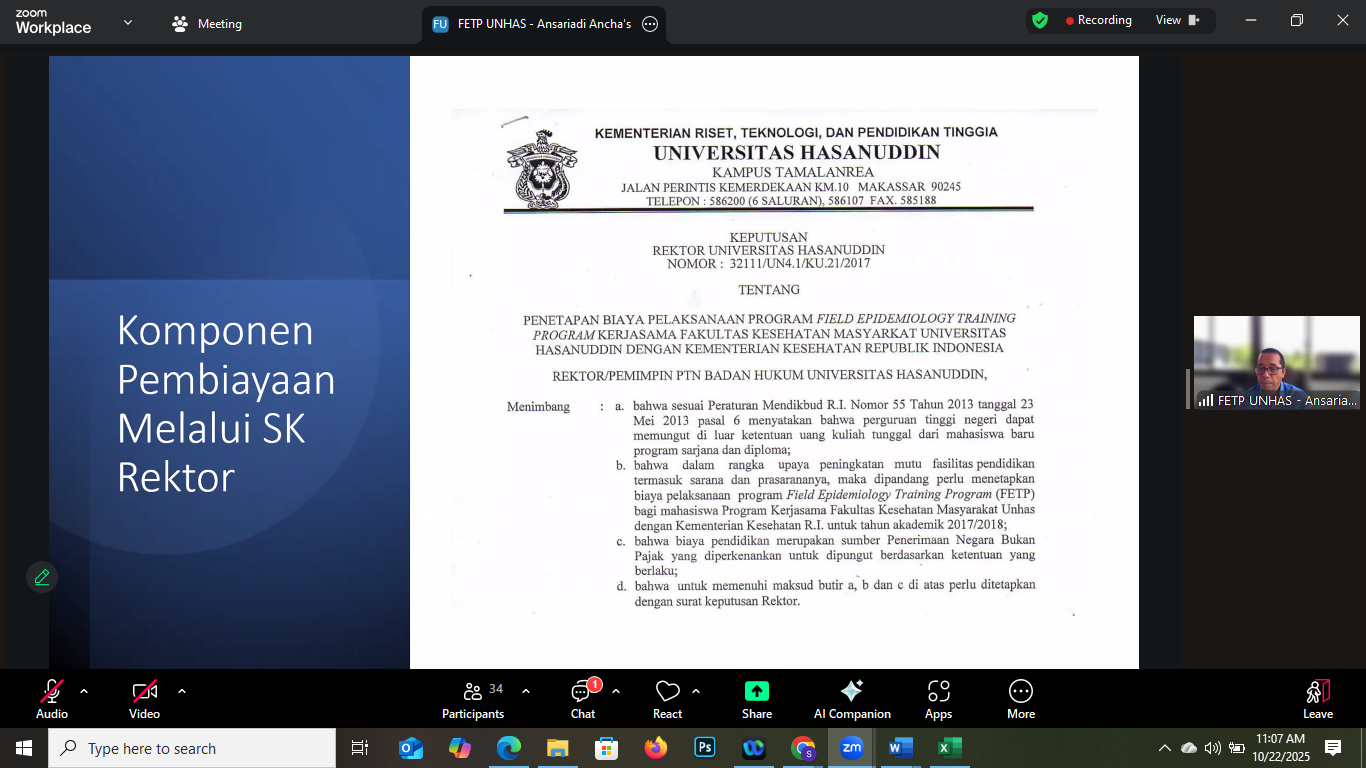
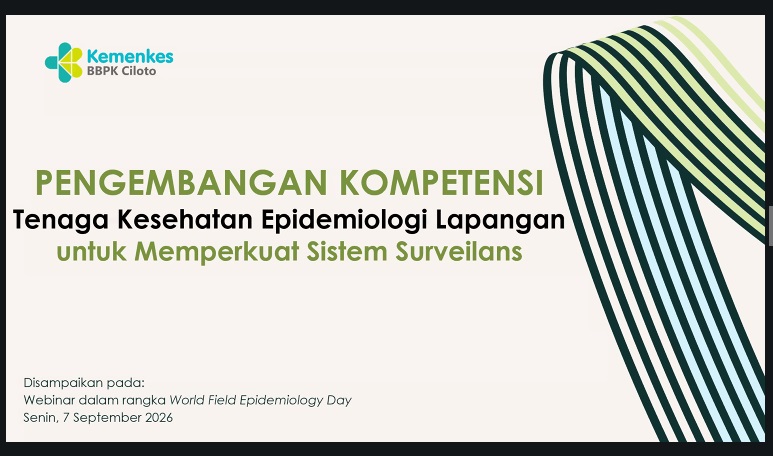
The Field Epidemiology Training Program (FETP) at Udayana University participated actively in a hybrid national stakeholder meeting coordinated by the Ministry of Health (Kemenkes RI), bringing together strategic partners in public health workforce development. The event, held on 22 October 2025, convened representatives from seven FETP universities, the Ministry of Health, Health Security Partner, the PPSDM scholarship unit, and other key policymakers and partners.
In his opening remarks, the Director of Surveillance and Health Quarantine emphasized the increasing importance of global health security and the critical need for ongoing investment in surveillance systems, integrated data platforms, and competent human resources. He highlighted that FETP alumni serve as the backbone of national epidemiological readiness—protecting Indonesia and the world from emerging health threats.
|
|
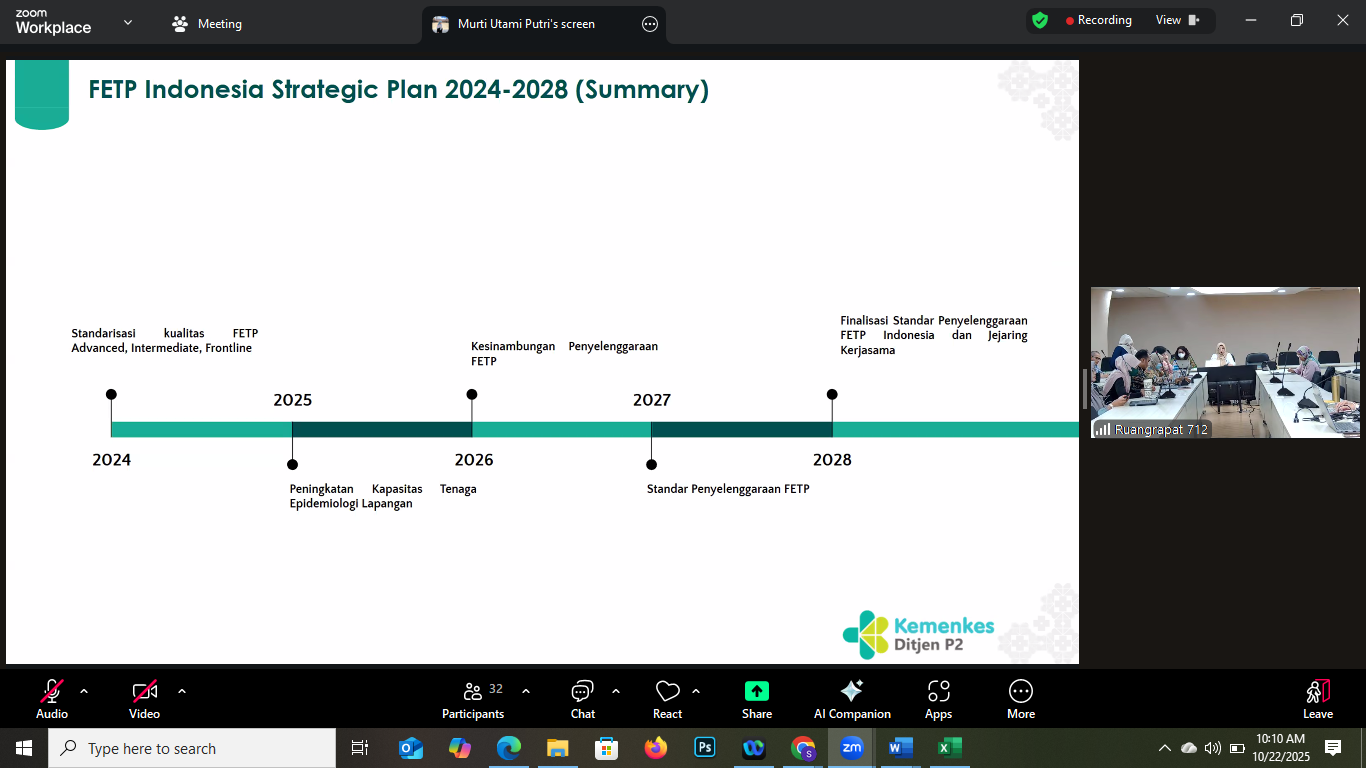
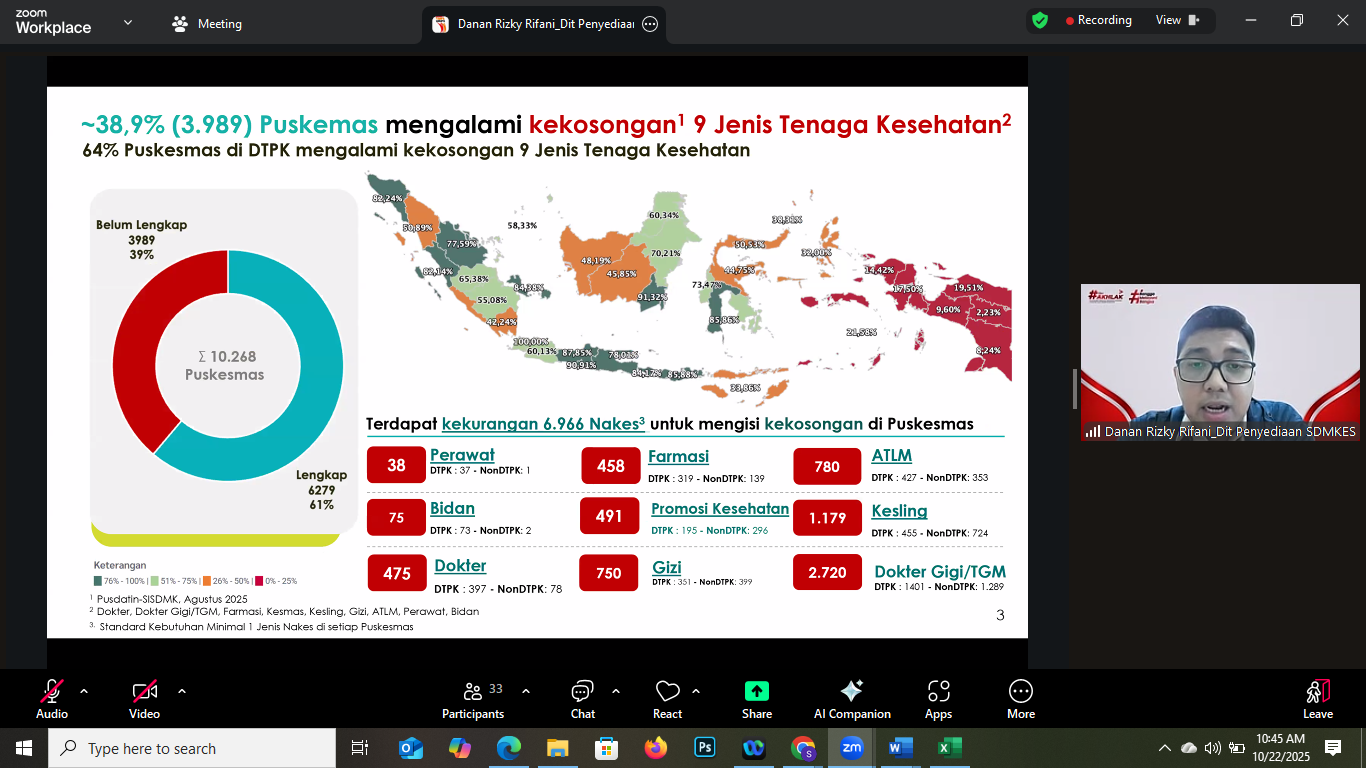
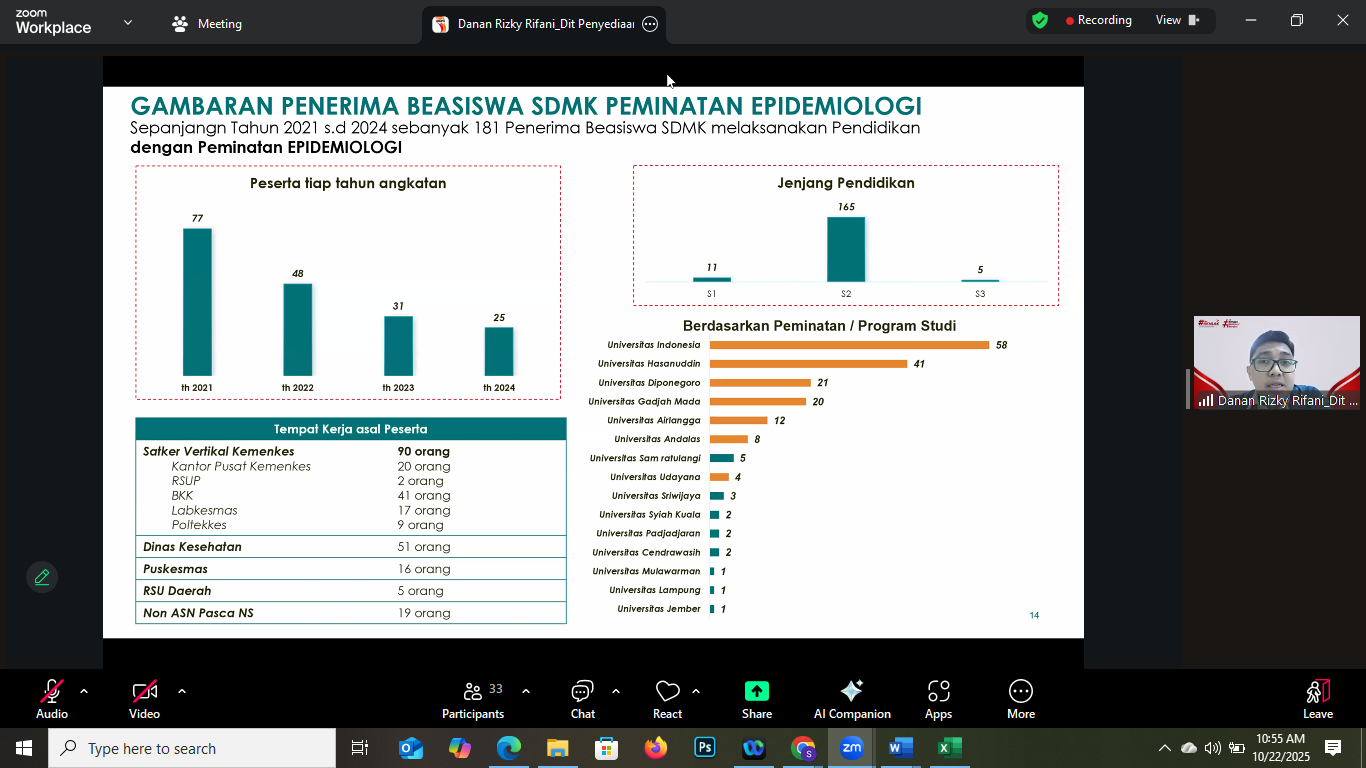
Based on national projections to 2028, Indonesia will require at least 10,000 epidemiologists across frontline, intermediate, and advanced levels, ensuring a minimum of two FETP-trained epidemiologists per district. Strategic institutions such as the Health Quarantine Agency alone are forecasted to require more than 1,000 trained epidemiologists, not including additional needs at the provincial level. Continued funding and multi-sectoral collaboration were underscored as essential to sustaining progress.
FETP Udayana’s involvement reflects the program’s commitment to continuous improvement, national policy alignment, and contribution to public health impact. Regular participation in stakeholder platforms ensures the program remains updated, connected, and responsive to evolving epidemiology and surveillance priorities in Indonesia.
|
|

MEDICAL FACULTY