 EN
EN
 INA
INA
As part of the ongoing public health response following the earthquake in East Nusa Tenggara (NTT), Field Epidemiology Training Program (FETP) students deployed to affected areas are conducting regular Daily Situation Report (SITREP) meetings to share updates on health conditions and field activities across seven affected districts.
The reporting is organized on a rotational basis. Students deployed in four districts present their situation reports on one day, followed by teams from the other three districts on the following day. This arrangement enables continuous monitoring of developments across all seven deployment areas while allowing each field team sufficient time to conduct assessments, investigations, and response activities.
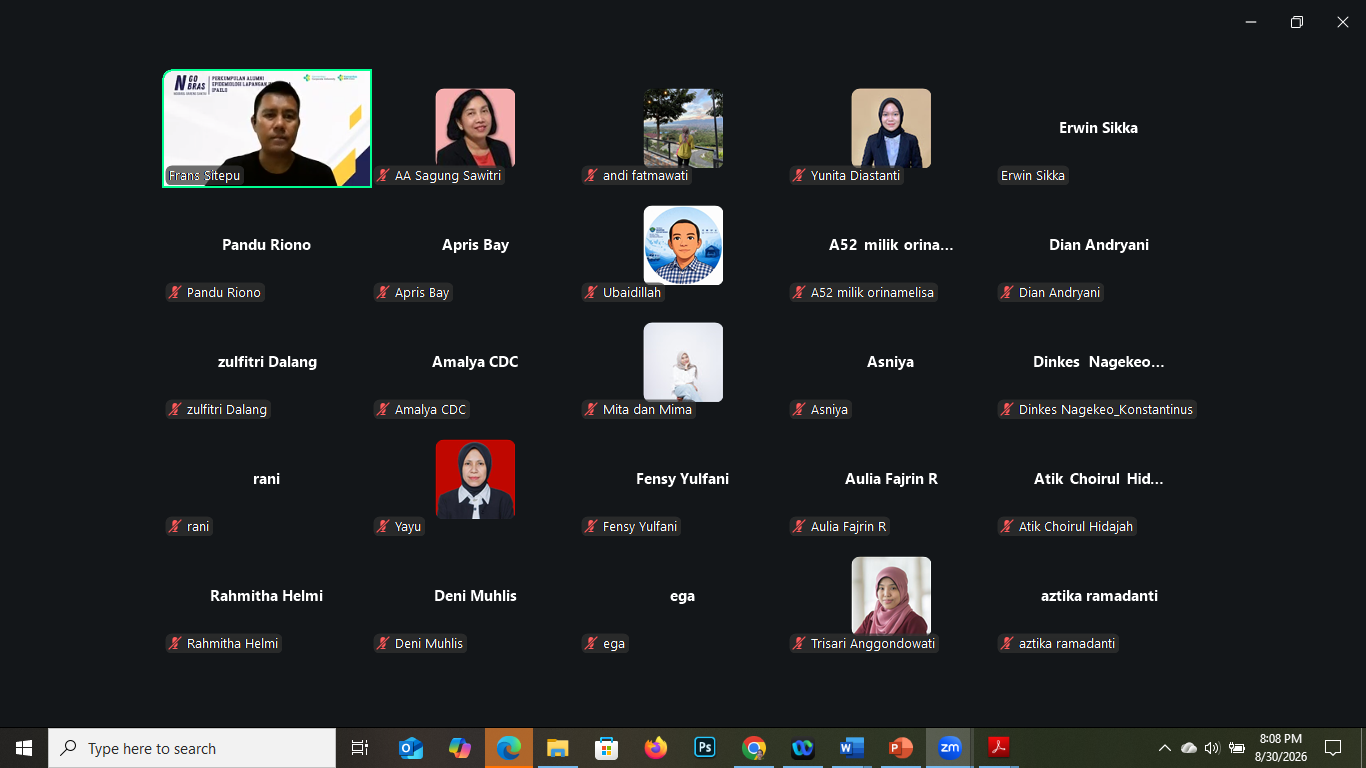
The daily meetings bring together FETP students, field mentors, FETP university representatives, FETP Indonesia, and relevant stakeholders involved in coordinating the post-earthquake public health response. Students from Universitas Udayana (UNUD), who are currently deployed in Sikka District, also regularly present updates from their assigned area.
Key Components of Daily Situation Reports
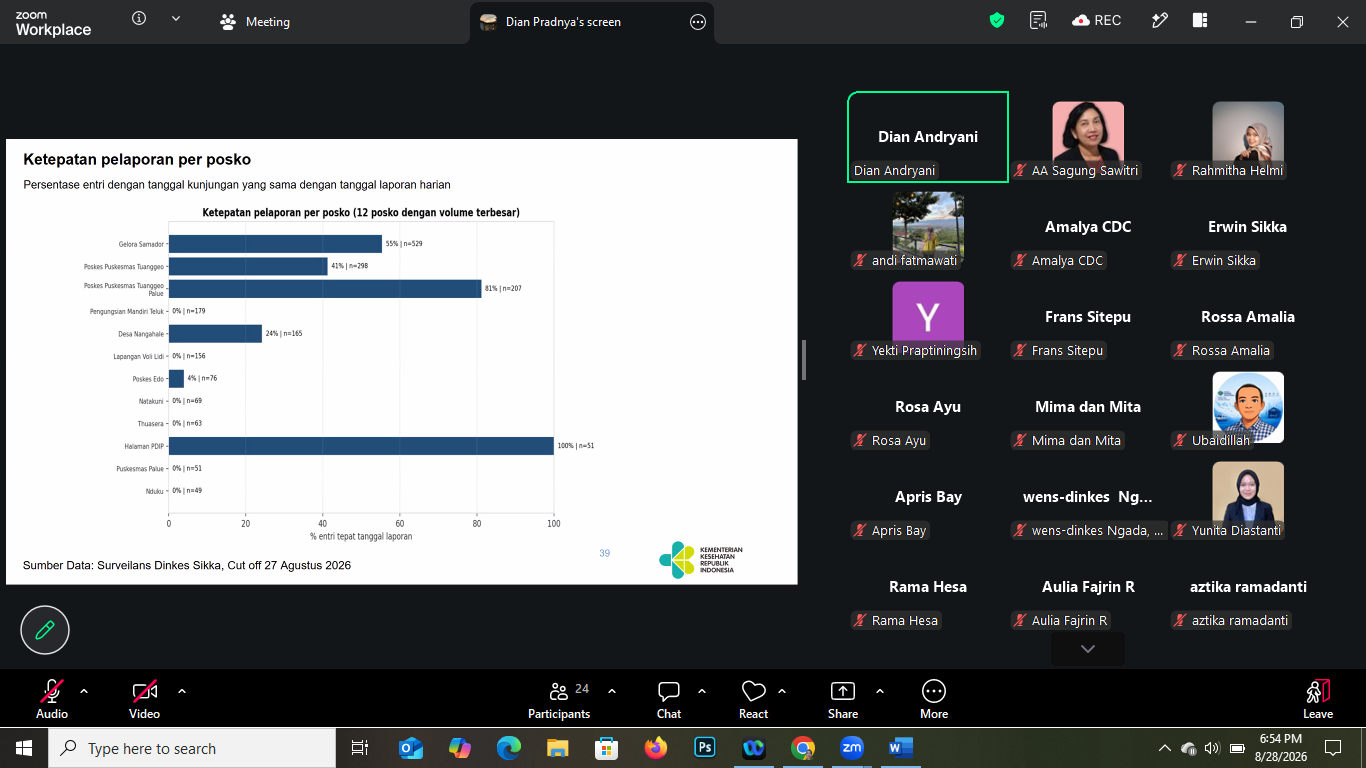
Each SITREP provides a structured overview of key public health issues observed in the field, including:
- Health Status Overview: The latest health situation and conditions following the earthquake;
- Disease Surveillance: Surveillance of diseases with outbreak potential in post-disaster settings;
- Epidemiological Investigations: Results of epidemiological investigations when suspected cases of outbreak-prone diseases are identified;
- Field Operational Challenges: Operational barriers and challenges encountered during field activities;
- Actionable Recommendations: Proposed solutions and recommendations for follow-up actions; and
- Documentation of Response: Comprehensive documentation of field activities and response efforts.
Through these regular reports, information collected at the field level can be systematically communicated, discussed, and interpreted with mentors and relevant stakeholders. The meetings also provide an opportunity to identify emerging health concerns, discuss gaps in surveillance and response, and formulate practical recommendations based on changing conditions in affected communities.
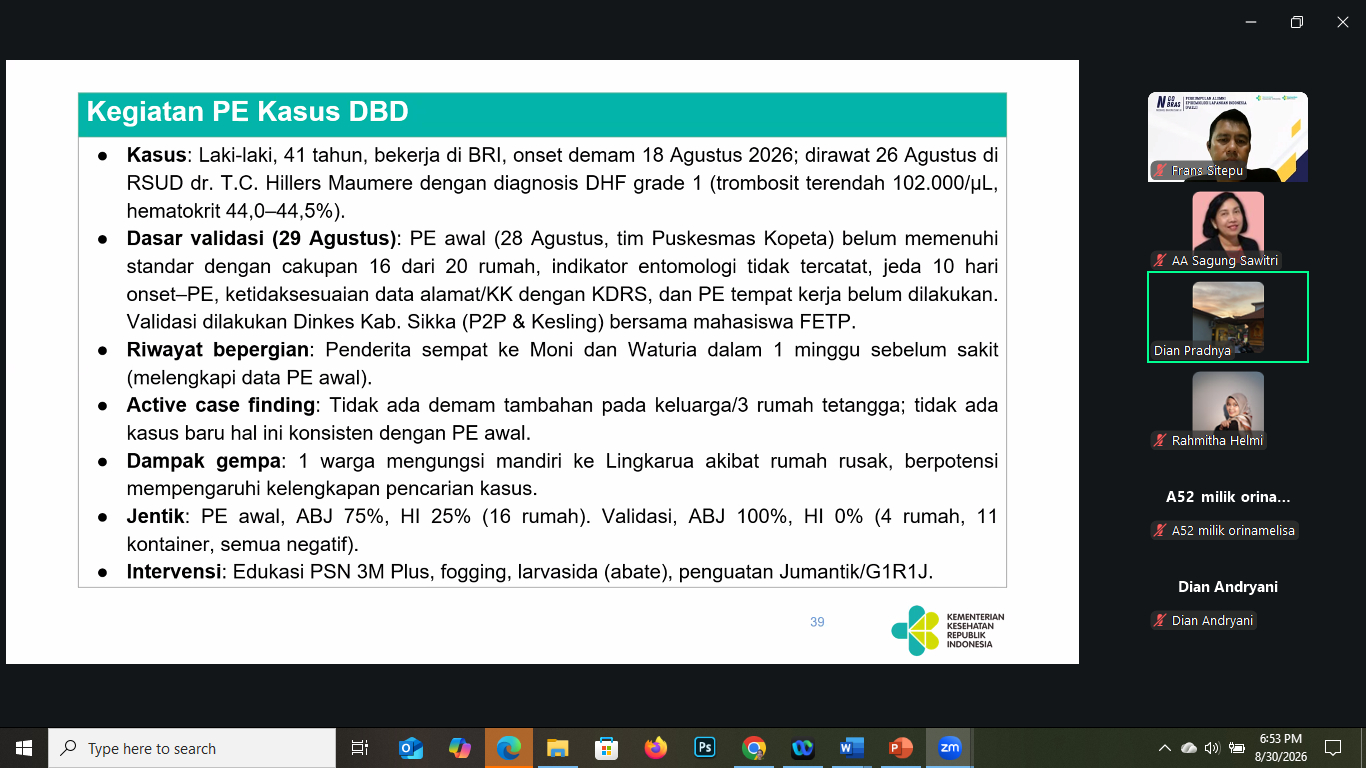
Turning Emergency Response into Field Epidemiology Learning
For FETP students, participation in the daily SITREP process represents an important form of learning through real-world public health practice. Students are required not only to collect data, but also to assess its quality, identify priority health problems, interpret epidemiological findings, and translate those findings into concise and actionable information for decision-makers.
Working in a post-disaster setting also exposes students to the complexity of field epidemiology beyond classroom-based exercises. They learn to work with incomplete and rapidly changing information, coordinate with multiple sectors and institutions, communicate findings under time constraints, and develop feasible recommendations within the realities of an emergency response.
For the universities and institutions involved, this joint deployment demonstrates the important role of FETP networks in supporting public health emergency preparedness and response. The collaboration connects academic institutions, health authorities, field mentors, and other stakeholders through a common mechanism for surveillance, epidemiological investigation, information sharing, and evidence-informed decision-making.
More importantly, the daily SITREP meetings create a two-way learning process: field findings contribute to the ongoing health response, while experiences from the response strengthen the competencies of future field epidemiologists.

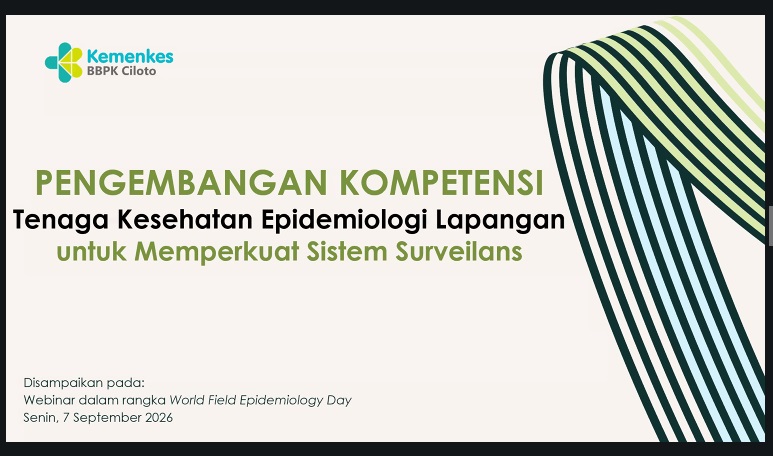
MEDICAL FACULTY