 EN
EN
 INA
INA
Strengthening Research Governance: MIKM Hosts Monitoring Visit on Material Transfer Agreement for Vaccine Clinical Trial
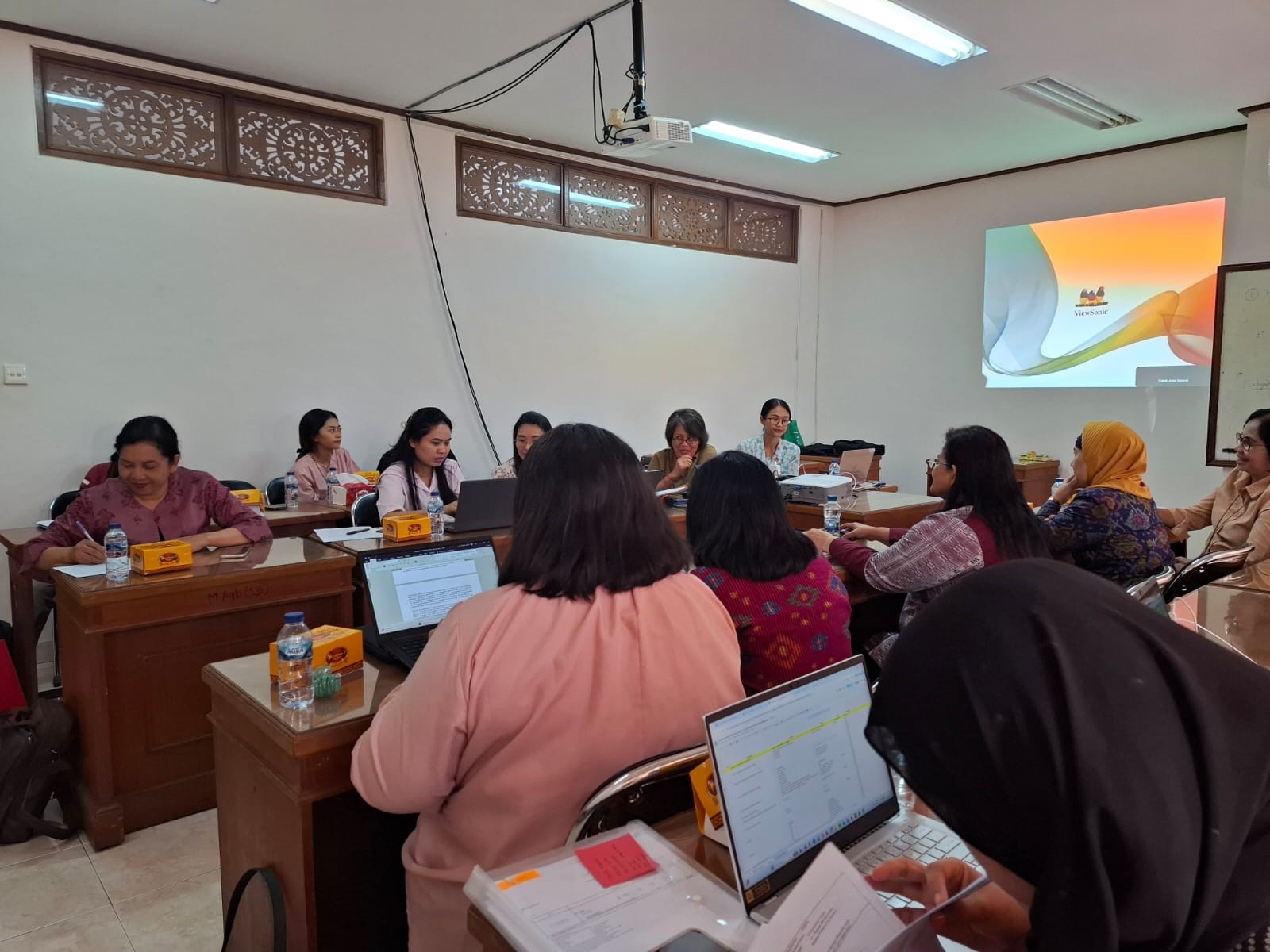
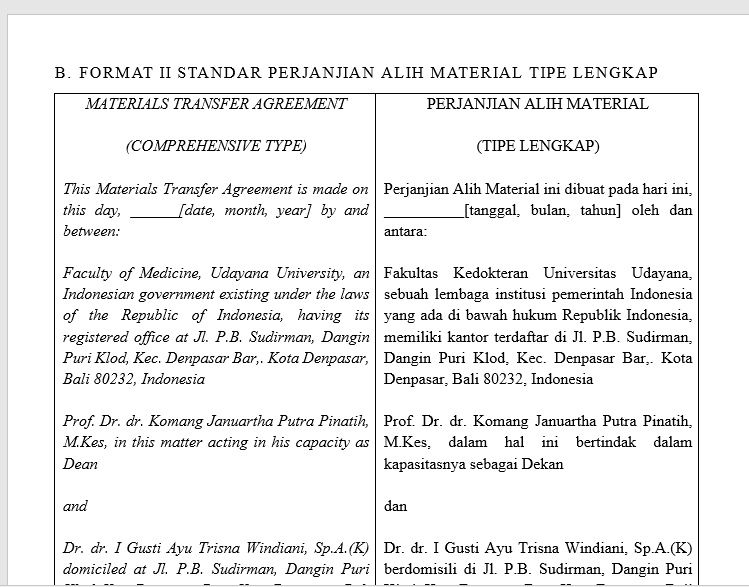
The Master of Public Health (MIKM) Program at Udayana University continues to enhance its research governance and compliance with national and international standards. As part of an ongoing vaccine clinical trial led by dr. Trisna Windiani, Sp.A, the research team faced the need to send blood samples abroad for advanced immunological testing—procedures not currently available in Indonesia.
To fulfill this requirement, the team followed the official Indonesian regulatory process for international sample shipment through the preparation of a Material Transfer Agreement (MTA). An MTA is a legally binding document that governs the transfer, ownership, permissible use, and future handling of biological specimens between institutions. It ensures ethical conduct, data protection, intellectual property clarity, and safeguards the rights of both the sending and receiving institutions. In Indonesia, MTAs for studies must be signed by the Principal Investigator, the Dean of the sending institution, the receiving laboratory, and the Head of the Health Policy Agency, Ministry of Health (Kemenkes RI).
On 11 November 2025, the vaccine research team—together with Prodia Laboratory, which manages the clinical samples—received an official monitoring visit from the Health Bio medic and Genomic division Ministry of Health, overseeing biological material governance. The delegation was led by Indri Rooslamiati, M.Sc.Apt, accompanied by senior officers responsible for research ethics, biosafety, and regulatory oversight.
The meeting opened with presentations from the UNUD research team and Prodia, outlining the workflow for blood sample collection, processing, storage, and transfer. A focused discussion followed, in which the Ministry provided several key recommendations. These included clarifying the role of data controller, which ideally lies with the institution or the Principal Investigator; ensuring that sample destruction becomes a secondary option after exploring potential scientific benefits of sample remnants; and strengthening the structure of informed consent to anticipate future secondary analyses. The Ministry also highlighted the importance of improving data analysis planning and documentation for downstream phases of the study.
Overall, the session provided valuable feedback for improving future clinical research implementation within the program. It also served as an important learning experience for enhancing the research capacity of lecturers and research staff at the MIKM Program.
This monitoring visit carries important meaning for both the program and the university.
It demonstrates UNUD’s accountability in managing research involving human biological materials and reflects adherence to national regulations—key components in academic governance and quality assurance. The engagement also strengthens the program’s credibility as a reliable research partner for national agencies, ensures that ethical and regulatory practices remain aligned with global standards, and enriches the competencies of lecturers and students involved in research activities.
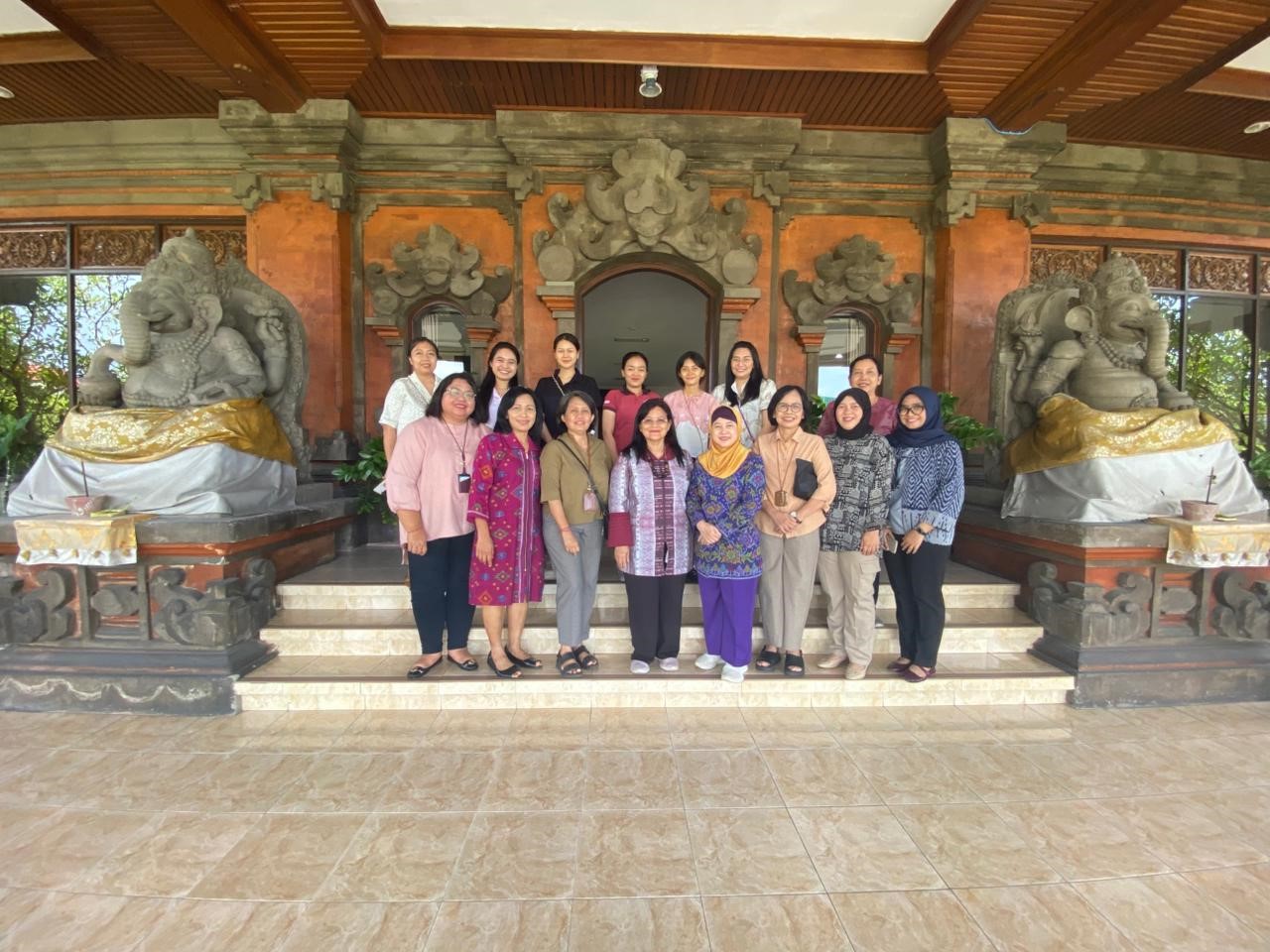
By participating in this rigorous oversight process, the MIKM Program reinforces its commitment to high-quality, ethical, and internationally relevant public health research—supporting its vision to contribute meaningfully to national health priorities while cultivating a strong research culture within the institution.

MEDICAL FACULTY