 EN
EN
 INA
INA
Strengthening Regional Public Health Collaboration: FETP Udayana Participates in the ASEAN+3 FETN Steering Committee Meeting in Jakarta
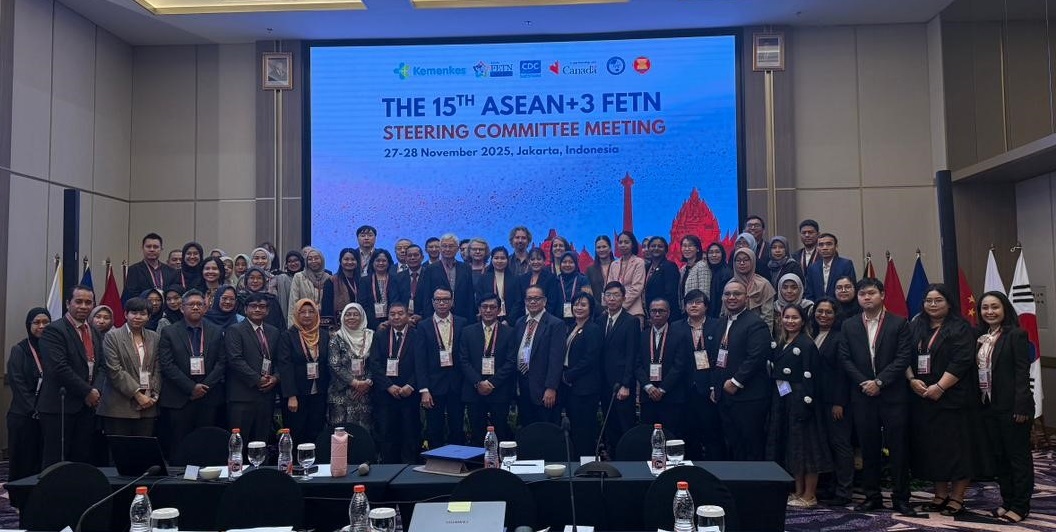
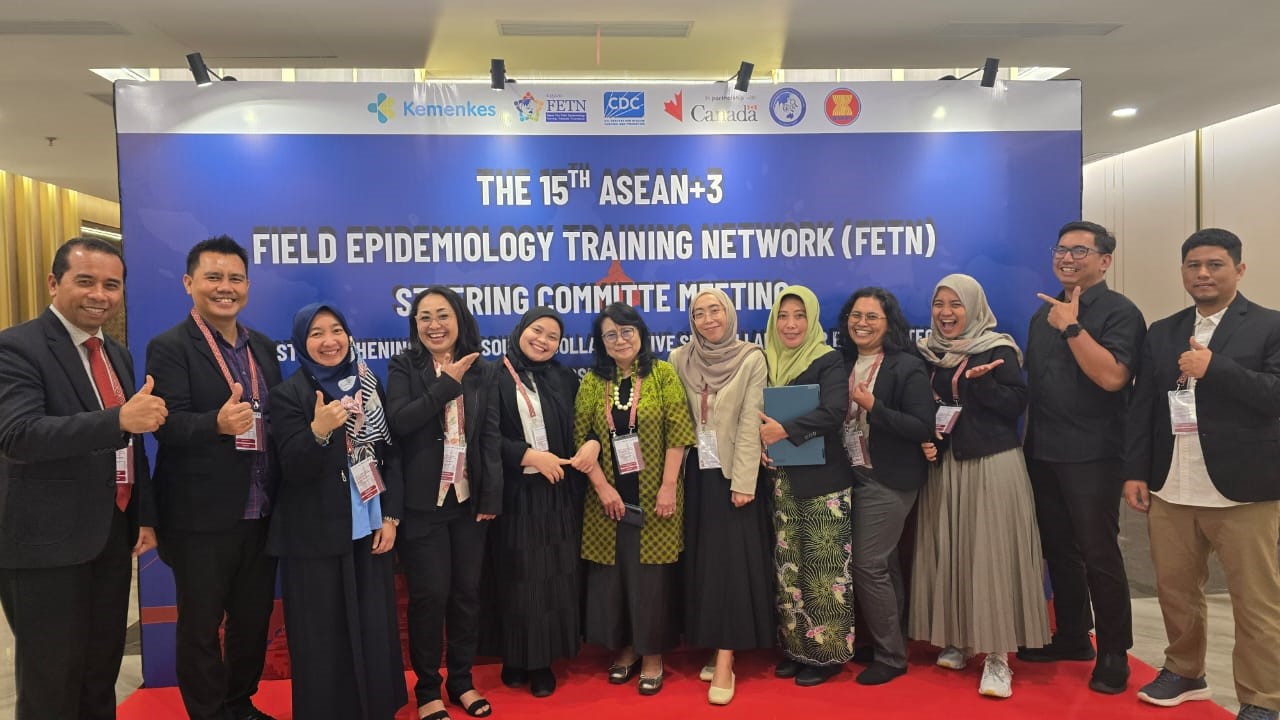
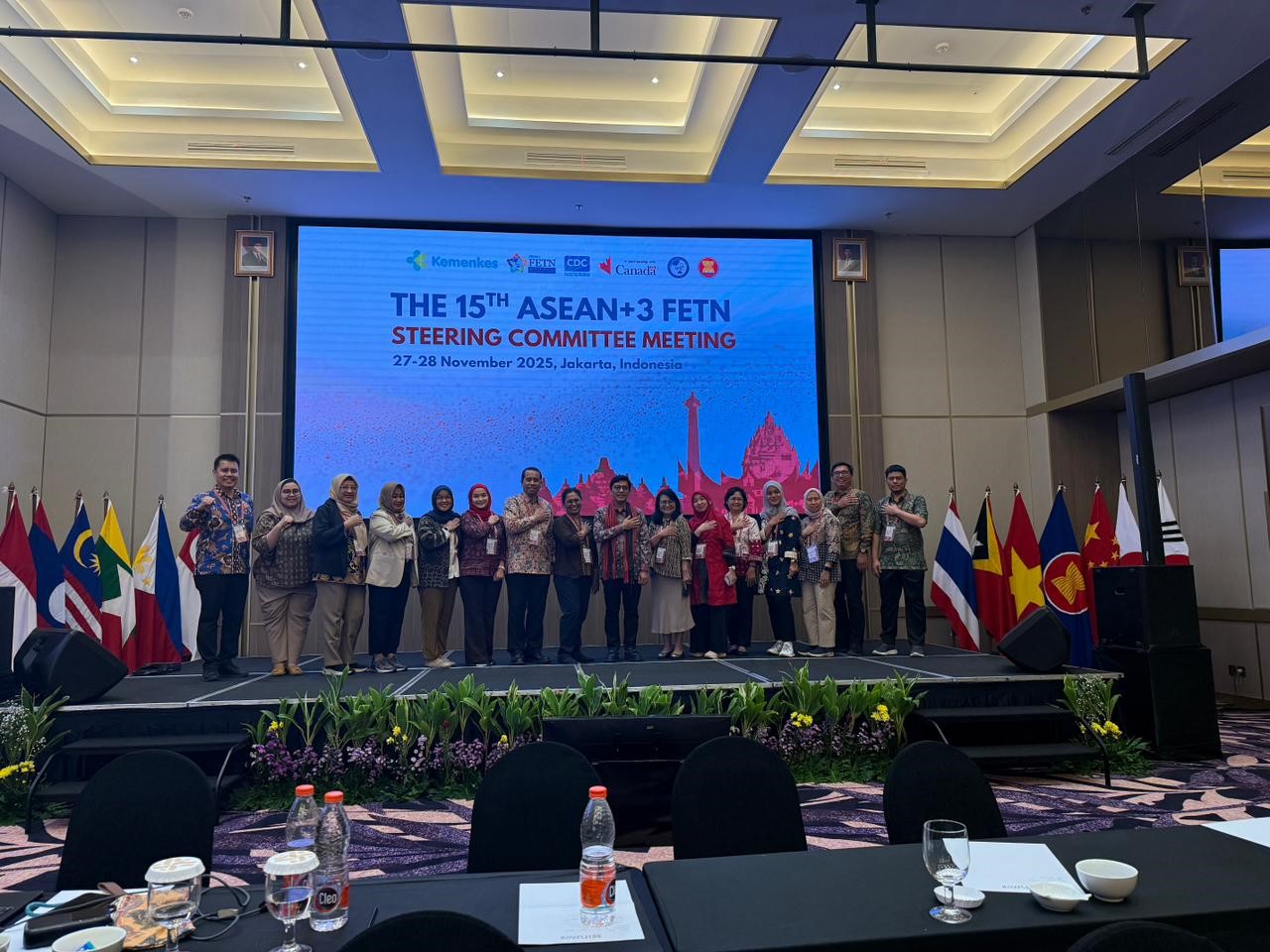
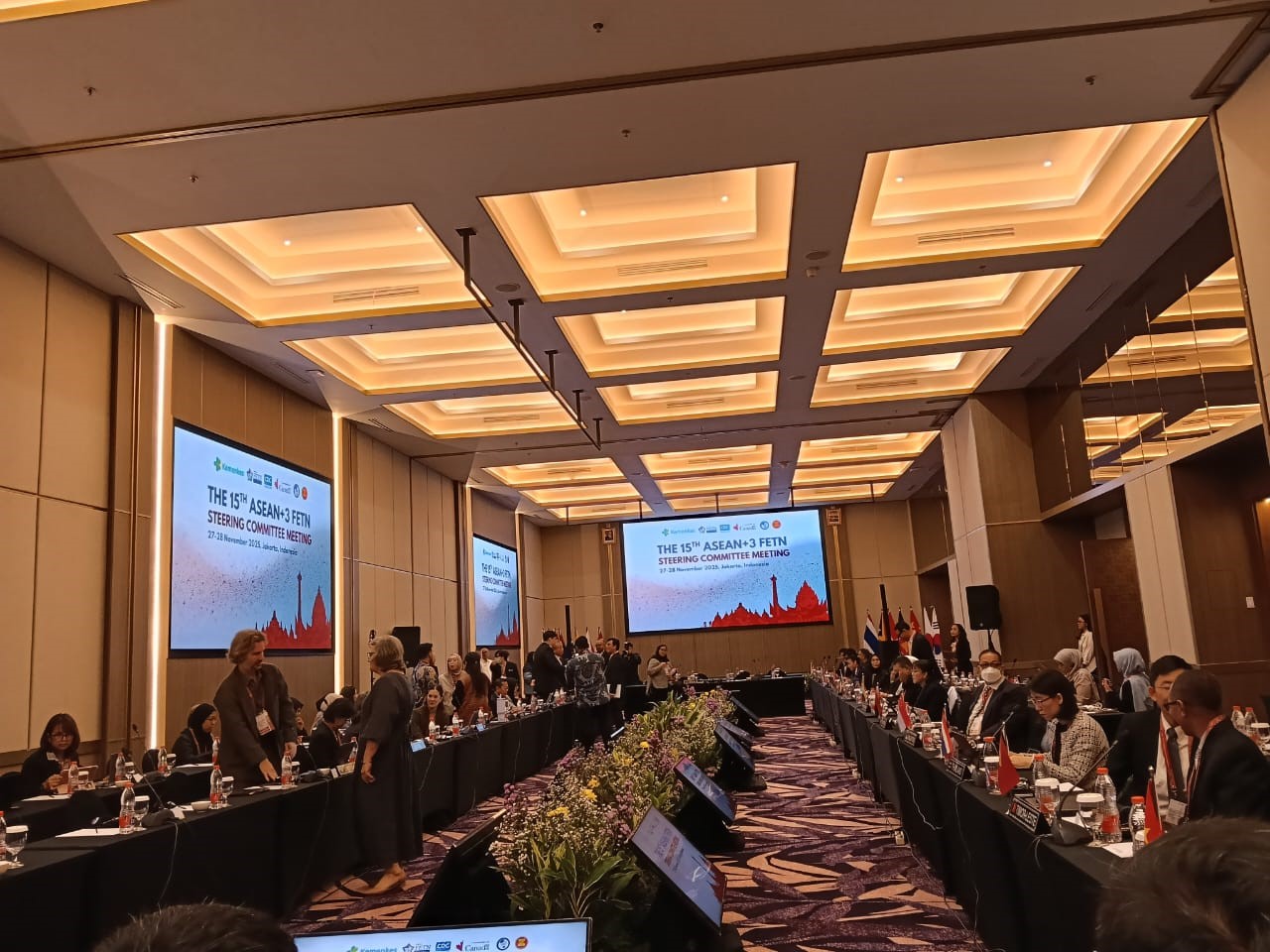
The Field Epidemiology Training Program (FETP) Udayana, represented by Putu Suaryani, SKM, M.Intl.Health, participated in the ASEAN+3 Field Epidemiology Training Network (FETN) Regional Meeting held in Jakarta from 26–29 November 2025. This high-level technical forum brings together Directors and senior representatives from FETP institutions across ASEAN Member States, as well as China, Japan, and the Republic of Korea.
ASEAN+3 FETN plays a strategic role in strengthening regional field epidemiology capacity, promoting multicountry collaboration, and advancing shared learning on outbreak response, surveillance systems, and public health threats. The platform serves as an essential bridge for exchanging best practices and ensuring that countries in the region are better prepared to respond to emerging diseases and cross-border health challenges.
Indonesia served as Host and Chair for the 15th Steering Committee Meeting, following the previous agreement during the 2024 meeting in Cambodia. The agenda focused on reviewing the 2024–2025 work plan, developing collaboration mechanisms with development partners, and drafting the ASEAN+3 FETN work plan for 2026.
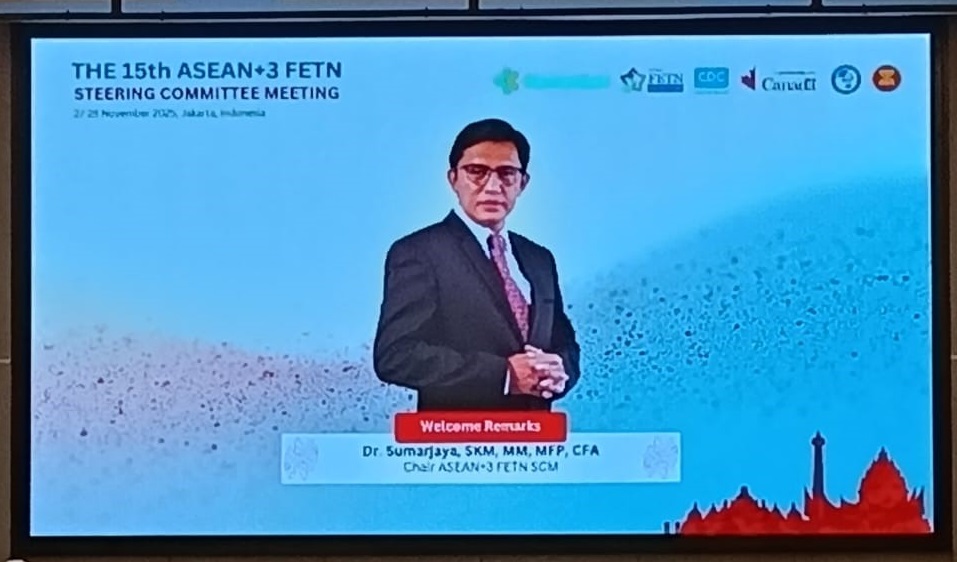
The meeting opened with remarks from Dr. Sumarjaya, Director of Surveillance and Quarantine (SKK), Ministry of Health Indonesia, followed by a presentation on updates from the ASEAN Health Sector. Subsequent sessions discussed the follow-up from previous agreements and deliberated on new strategic directions.
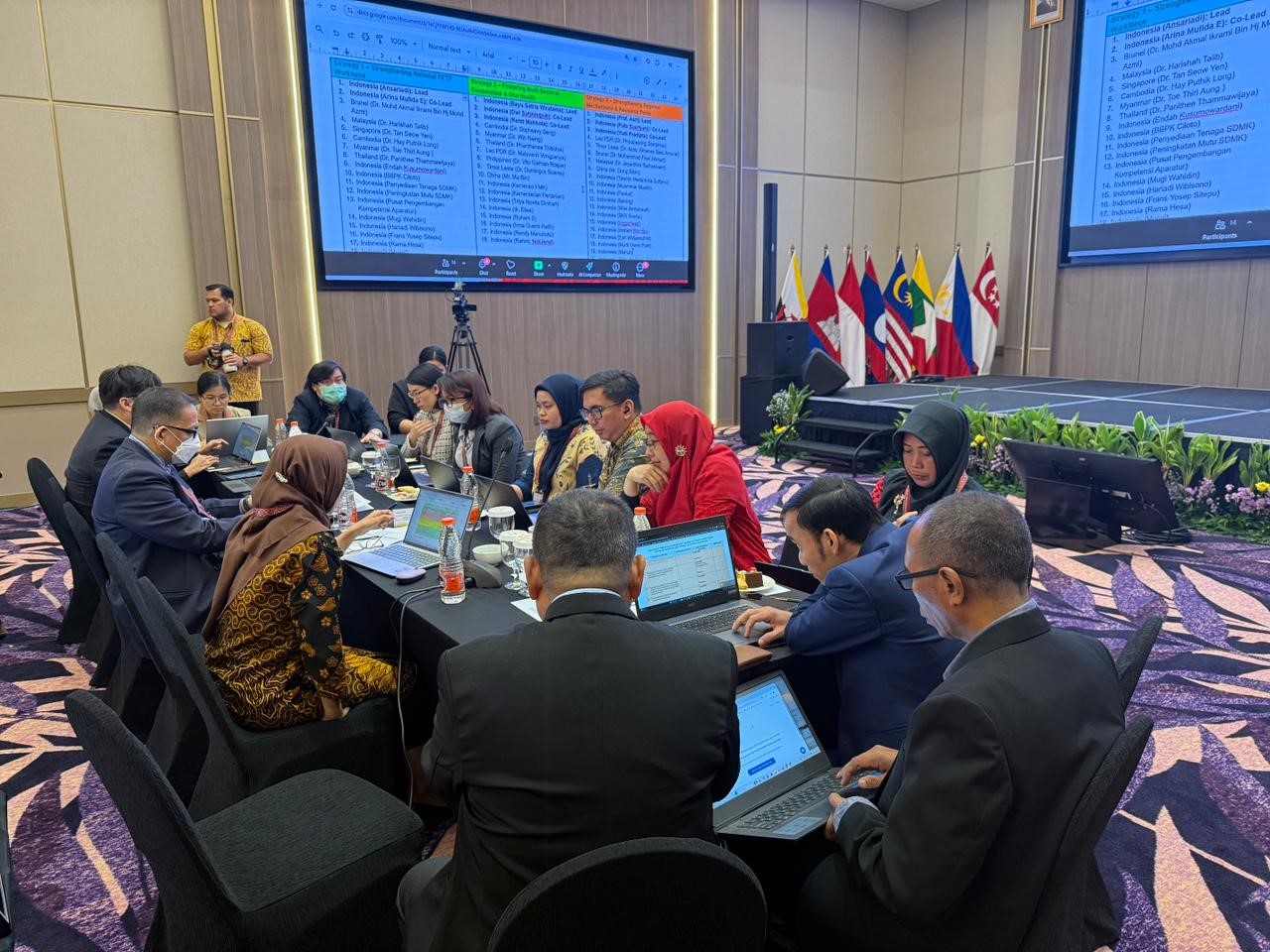
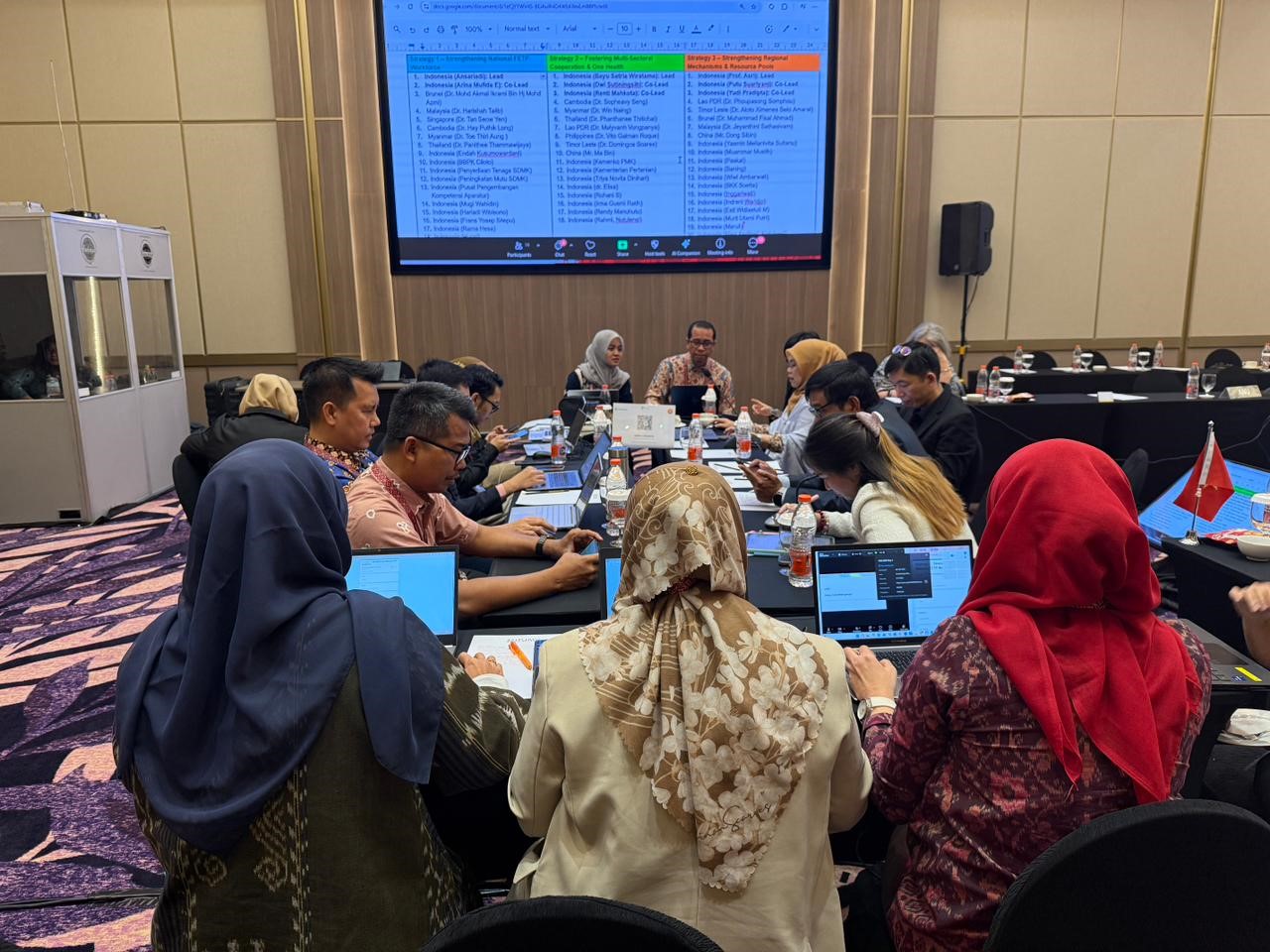
During the thematic discussions, Directors of FETP programs
from universities across Indonesia—including the representative from FETP
Udayana—were entrusted with leading several sessions, reflecting Indonesia’s
strong commitment and leadership in advancing regional epidemiology capacity.
|
|
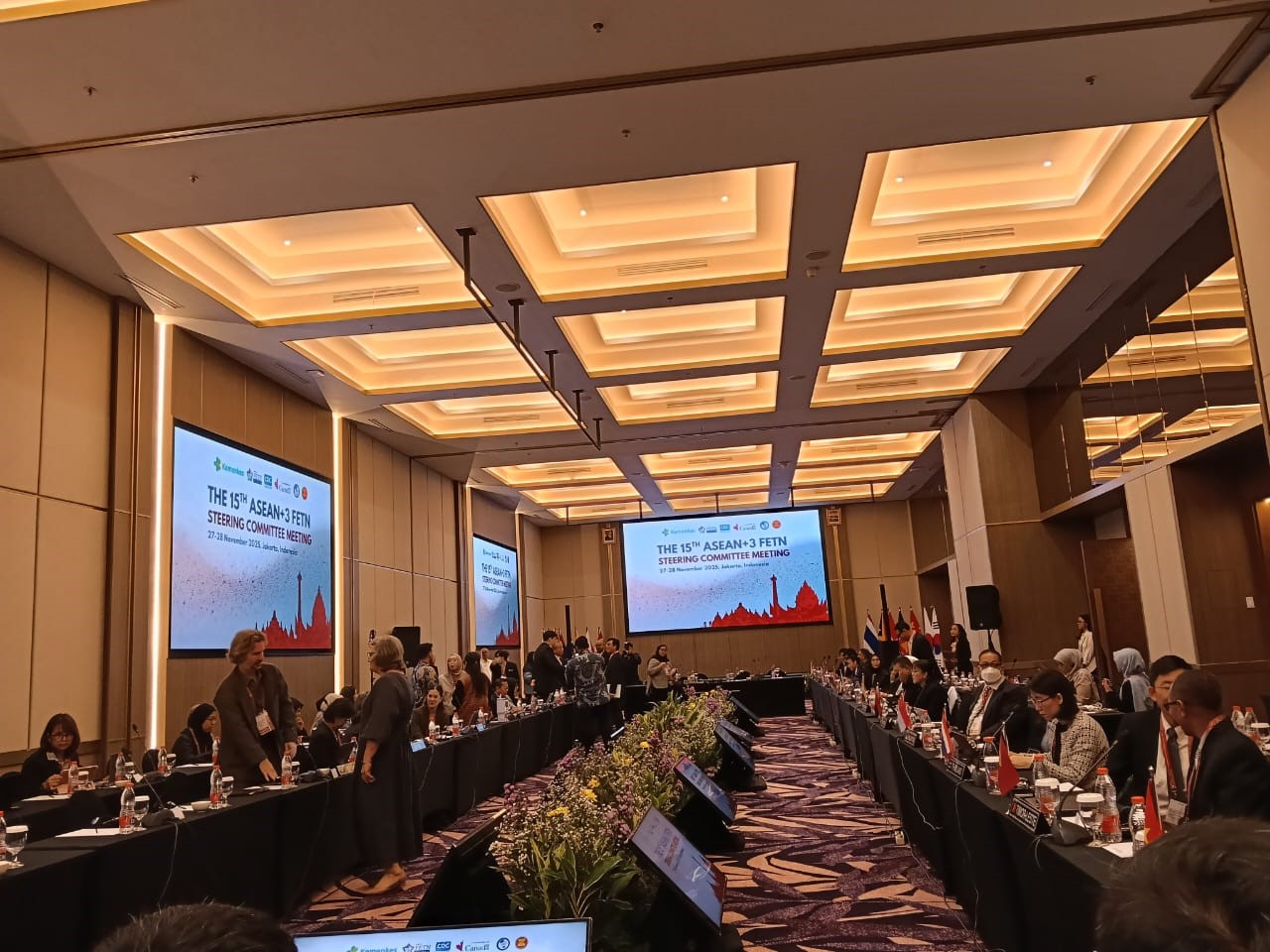
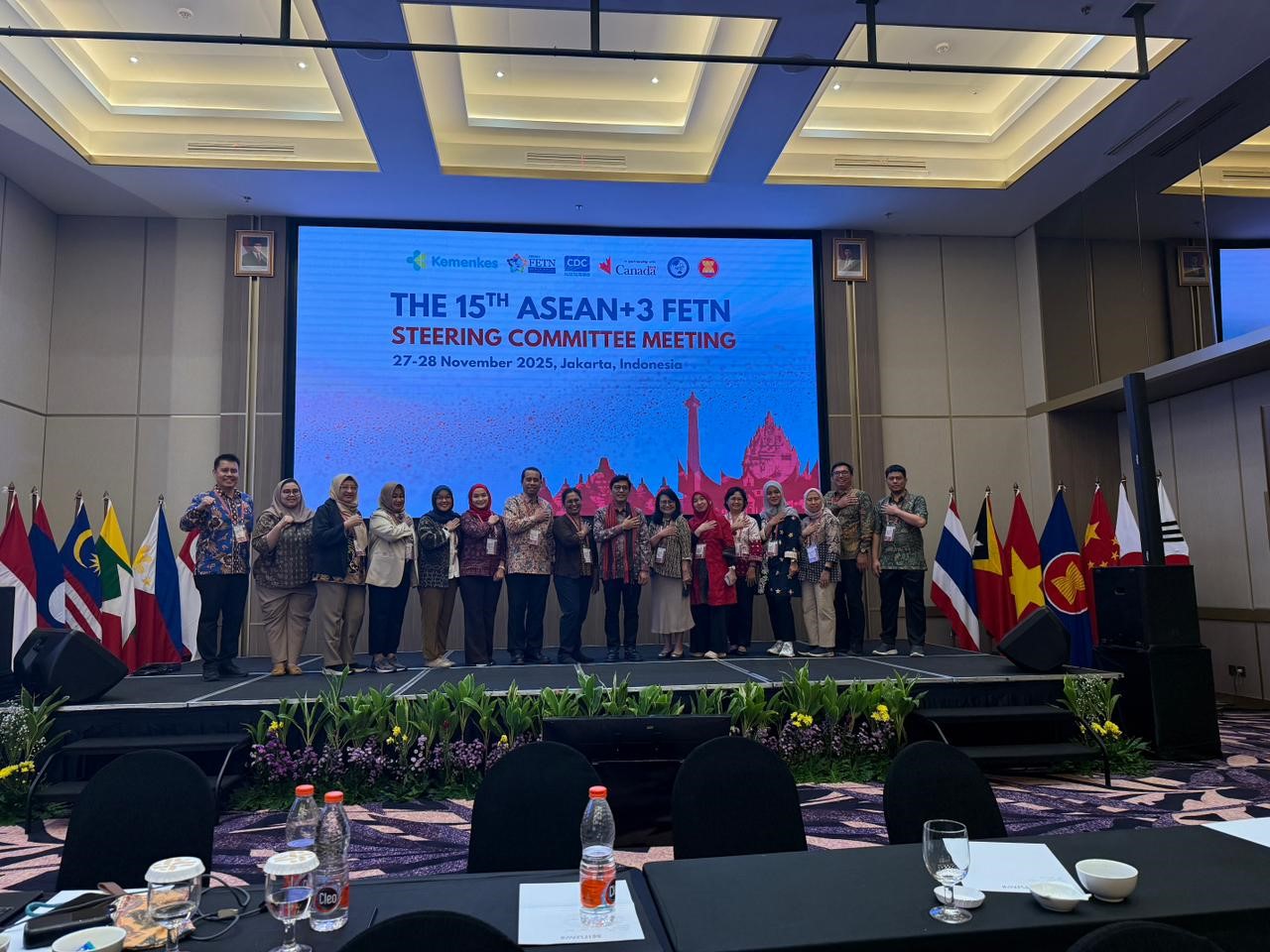
FETP Udayana’s active involvement holds strategic significance for the program and the university. Participation in this international forum strengthens UNUD’s global engagement efforts, directly supporting its vision of internationalization. For the MIKM Program, it enriches academic capacity, exposes faculty to current global health security frameworks, and strengthens partnerships that benefit teaching, research, and field training. Such contributions align with key accreditation values—quality improvement, stakeholder engagement, international collaboration, and curricular relevance—ensuring that the program remains responsive to national workforce needs and regional public health challenges. Through this engagement, FETP Udayana demonstrates its commitment to preparing epidemiologists who are globally connected, professionally competent, and ready to contribute to both national and regional health resilience.
Gallery

MEDICAL FACULTY