 EN
EN
 INA
INA
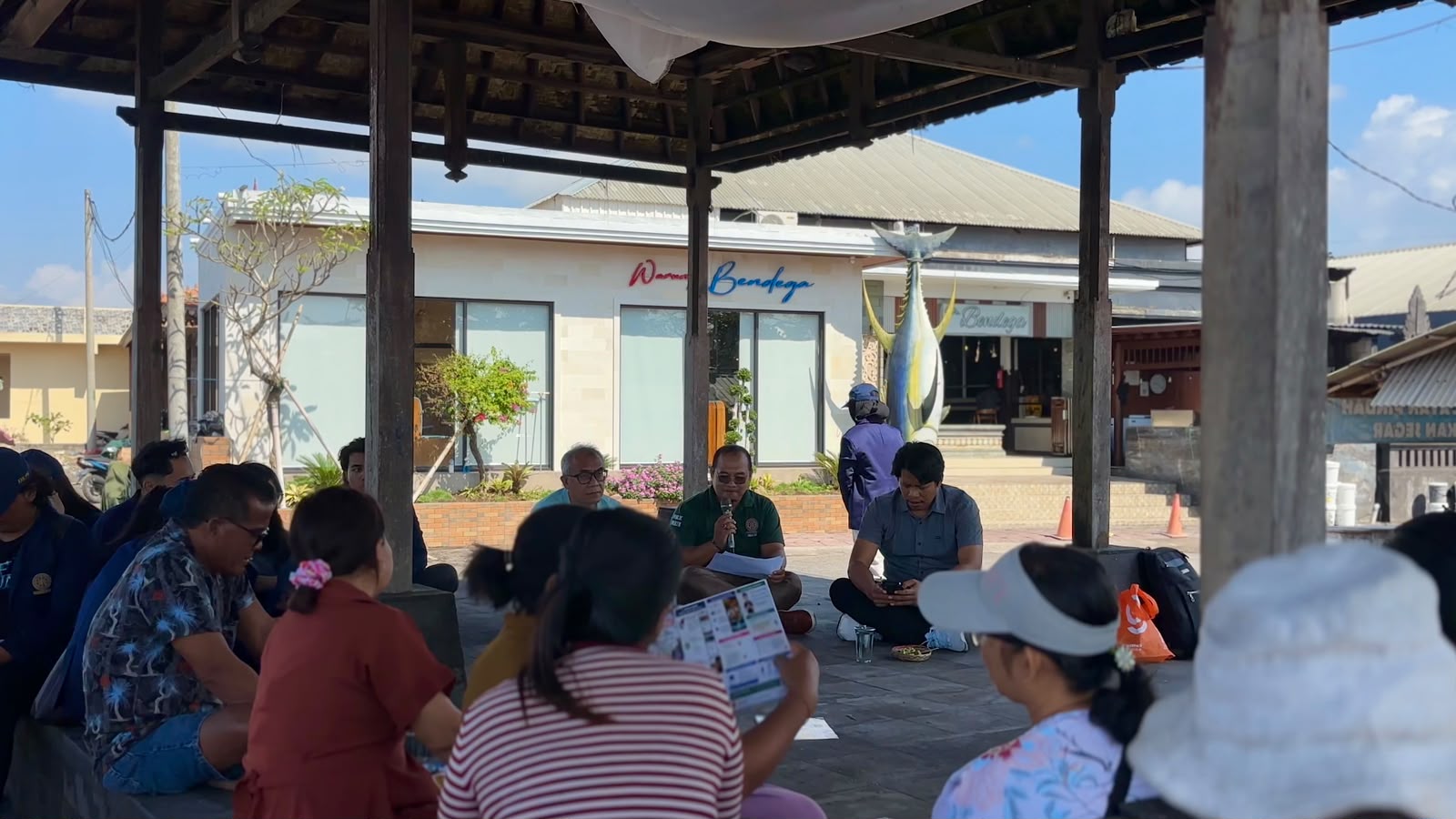
This program is part of an effort to enhance the quality of local culinary businesses by strengthening hygiene, sanitation, and digital marketing aspects, ensuring that sate lilit—a culinary icon of Bali—gains higher competitiveness, remains safe for consumption, and expands its market reach.
Head of the community service team, Dr. Sang Gede Purnama, SKM, MSc, a lecturer at the Master of Public Health Program, Faculty of Medicine, Universitas Udayana, explained that culinary business development relies not only on taste, but also on applying food safety standards and leveraging digital technology.
"Sate lilit is a signature Balinese culinary item with significant cultural value and economic potential. Through the SILIT-HIGI-DIGI model, we aim to encourage local vendors to adopt proper food hygiene and sanitation practices while utilizing digital marketing to boost their business competitiveness."
The SILIT-HIGI-DIGI model integrates three main components: enhancing personal hygiene practices and food safety, strengthening environmental sanitation and business cleanliness management, and utilizing digital technology as a product promotion and marketing medium. This approach is expected to support the sustainability of community-based micro-enterprises while building consumer trust in sate lilit products.
The event was officially opened by the Head of Lebih Village and attended by the Head of the Master of Public Health Program, Faculty of Medicine, Universitas Udayana, faculty members, students, and local sate lilit vendors around the Lebih Beach area. Throughout the program, participants received education on the importance of hygiene and sanitation in food processing, business environmental management, and digital marketing strategies using social media and digital platforms.
In addition to material presentations, the activities included interactive discussions, a needs assessment, demonstrations of good hygiene practices, and the distribution of educational materials to participants. Through these sessions, the team gathered valuable insights into the challenges faced by vendors, ranging from limited sanitation facilities and environmental cleanliness management to low adoption of digital media for promotional purposes.
The Head of the Master of Public Health Program, Faculty of Medicine, Universitas Udayana, expressed appreciation to the Lebih Village Government and all participating sate lilit vendors. Collaboration among higher education institutions, village governments, and local communities is expected to yield innovations that deliver real impact on local product quality and community welfare.
Through this community service initiative, Universitas Udayana reaffirms its commitment to supporting public health development and strengthening the local economy by applying science, technology, and community-oriented innovation.

MEDICAL FACULTY