 EN
EN
 INA
INA
Strengthening Global Health Communication through COMBI Training 2024
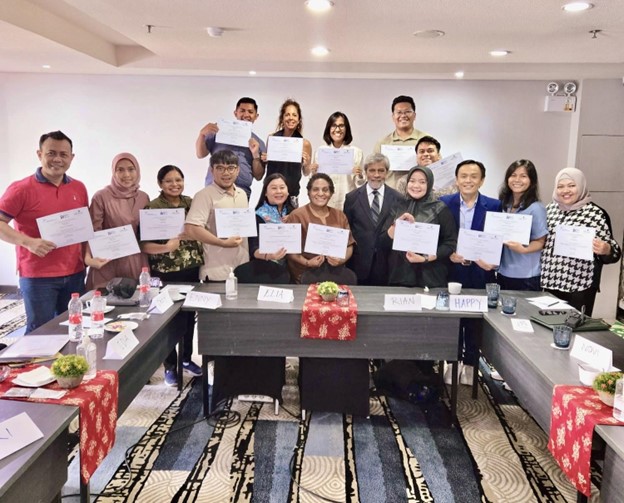
From November 11–20, 2024, health and development professionals gathered at Sanur Resort Watujimbar, Bali, for an intensive Communication for Behavioral Impact (COMBI) Training. Drawing on the experiences of WHO, UNICEF, UNFPA, and UNDP, the program equipped participants with the skills to design communication strategies that aim not only at raising awareness but also at achieving measurable behavioral impact.
For decades, public health programs have faced the challenge of bridging the gap between knowledge and action. Communities may understand the importance of vaccination, safe sexual practices, or healthier diets, yet adoption often remains limited. Conventional information and education campaigns succeed in building awareness but not always in sustaining long-term change. COMBI offers a proven framework by combining marketing principles with health communication, emphasizing specific behavioral objectives (SBOs) and harmonizing tools such as advocacy, mass media, community engagement, interpersonal communication, and market research.
During the 10-day course, participants examined the foundations of Integrated Marketing Communication (IMC), models of behavior adoption, and the MS.CREFS framework for effective message delivery. Through practical sessions—including the Café Exercise, three-minute presentations, and radio spot writing—participants applied theory to practice. Working groups then developed and presented full COMBI Plans, tackling real-world challenges in health and social development.
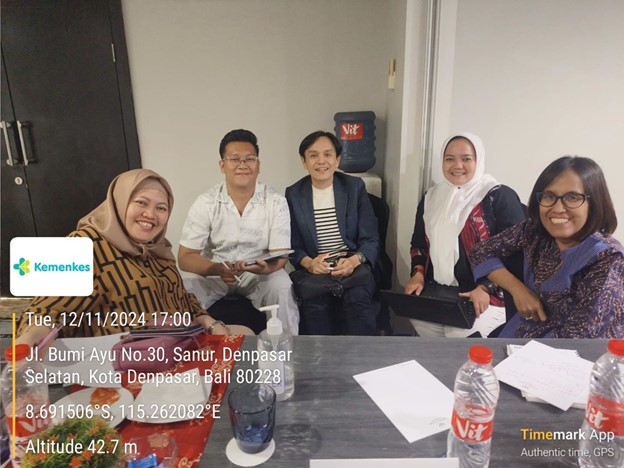
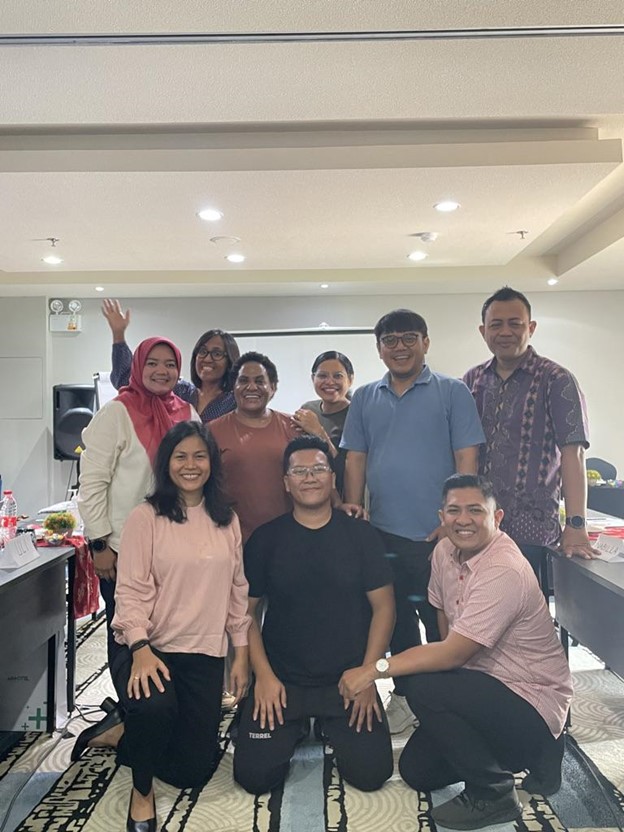
The training featured global case studies, from lymphatic filariasis elimination in Sri Lanka to dengue prevention in Southeast Asia and non-communicable disease campaigns in Indonesia, highlighting how COMBI turns strategies into tangible outcomes. Among the participants were Happy Kusuma Mulya and Hari Pradiksa, both students and alumni of the Master of Public Health (MPH) Program at Udayana University, who contributed actively to discussions, teamwork, and final presentations. Their participation reflects Udayana’s growing contribution to building a pool of professionals skilled in evidence-based health communication.
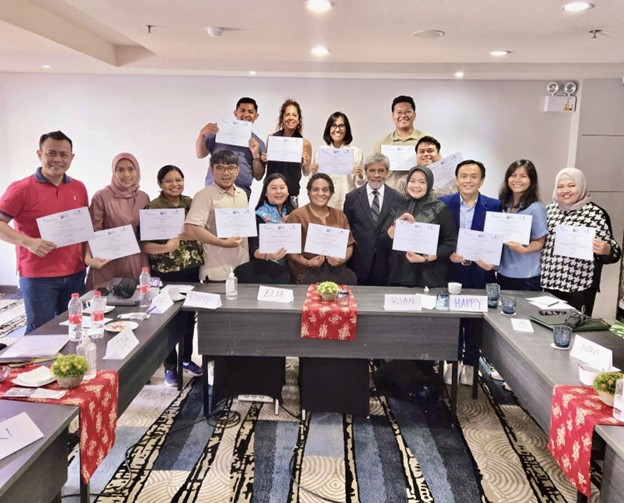
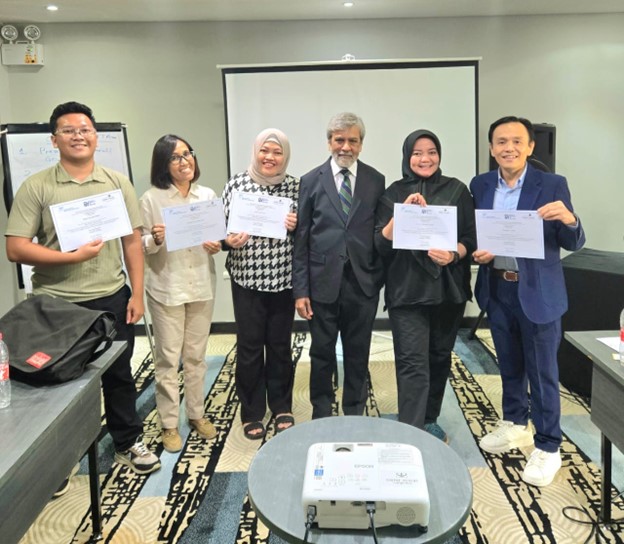
The program concluded on November 20 with final presentations, reflections, and certificate distribution. Beyond strengthening technical capacity, the training fostered collaboration among professionals dedicated to advancing health and development through smarter communication approaches.
For students, this activity was more than technical training—it was experiential learning that bridged classroom knowledge with real-world practice. By engaging directly with global case studies and producing actionable communication plans, they strengthened critical thinking, teamwork, and professional communication skills.
For the MPH Program and Faculty of Medicine, participation aligns closely with Udayana University’s vision and mission: to produce graduates with global competitiveness, grounded in local wisdom, and capable of solving contemporary health challenges. The training demonstrates how Udayana nurtures professionals who can integrate international best practices into Indonesia’s public health landscape.
The achievement illustrates Student-centered learning through active engagement in real-world problem-solving; Global networking and collaboration, fulfilling outcomes related to international exposure and partnerships; Competency-based education, with direct application of knowledge and skills in behavioral change communication; and Continuous quality improvement, as experiences from such trainings feed back into curriculum enhancement and institutional development.
Gallery

MEDICAL FACULTY