 EN
 INA
Udayana University and ANU Strengthen Syndromic Surveillance Research Through Collaborative Evaluation in Bali
- By Admin
- Senin, 2 November 2026
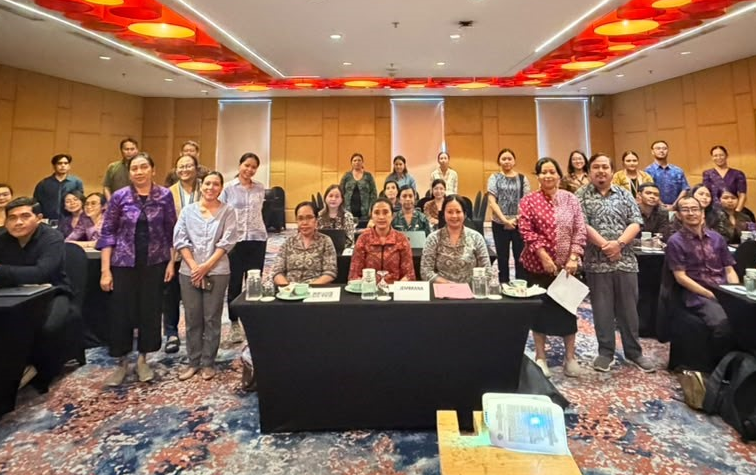
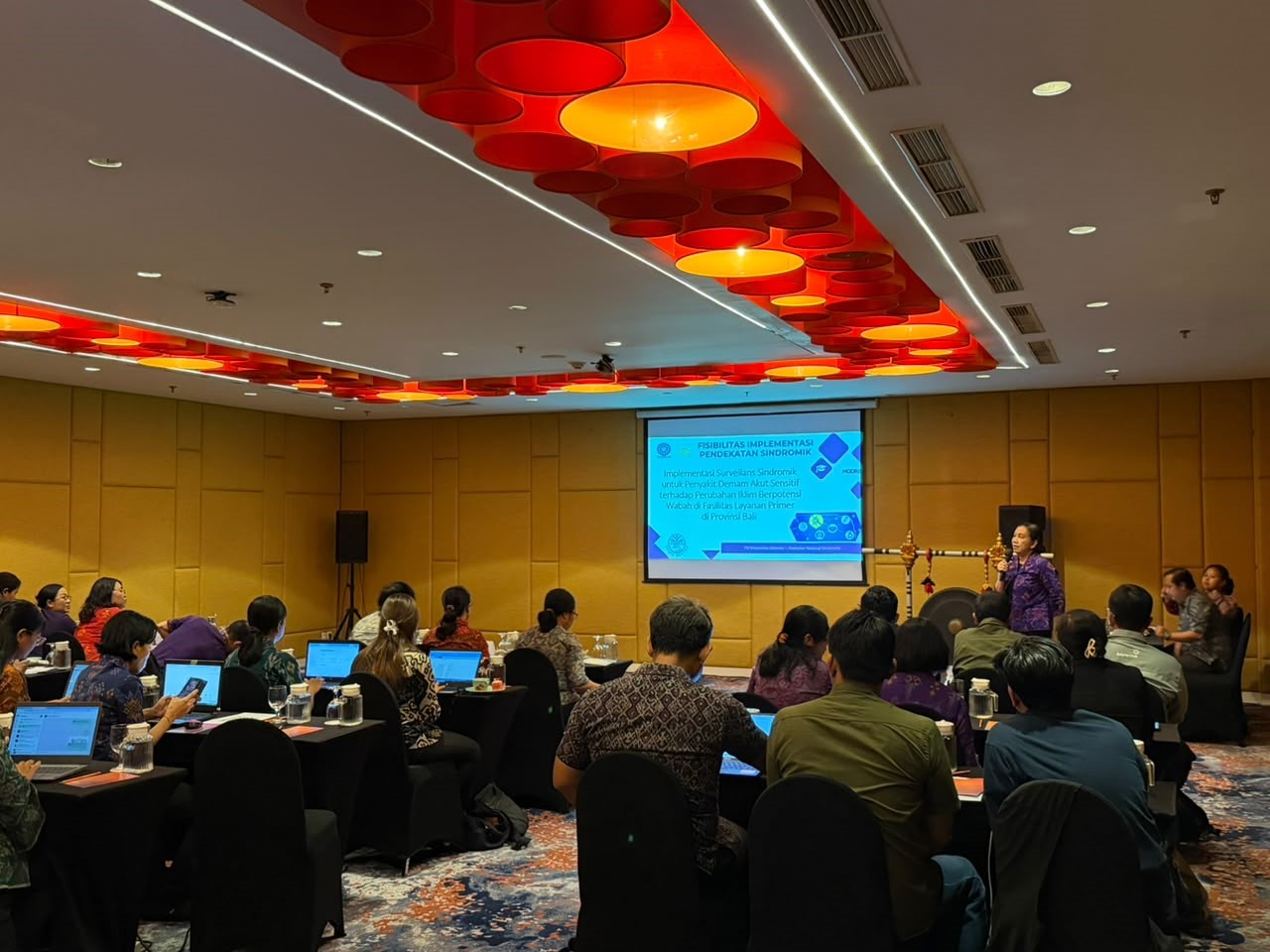
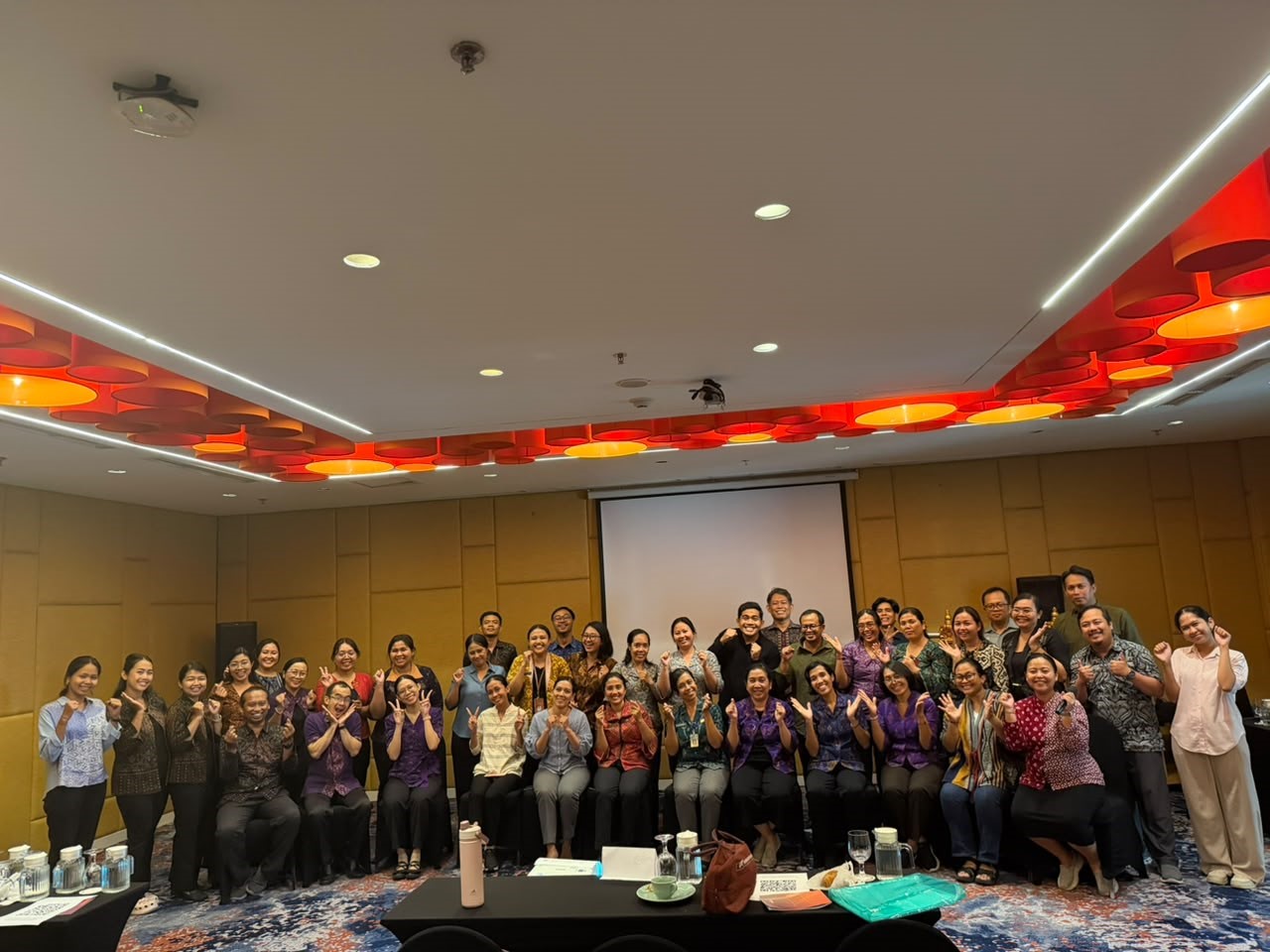
Denpasar, Bali – October 30, 2026 — The PRIME research team at the Faculty of Medicine, Udayana University, in collaboration with the Australian National University (ANU), conducted a Focus Group Discussion (FGD) to evaluate the implementation of syndromic surveillance for acute febrile illnesses in Bali. The event took place on October 30, 2026, at HARRIS Hotel & Conventions Denpasar, bringing together researchers and healthcare professionals from ten selected primary healthcare centers (Puskesmas).
The activity was part of an ongoing collaborative research project entitled "Implementation of Syndromic Surveillance for Climate-Sensitive Acute Febrile Illnesses with Outbreak Potential in Primary Healthcare Facilities in Bali Province." The project focuses on developing and evaluating a practical surveillance approach to support the early detection of infectious diseases with outbreak potential.
Acute febrile illnesses, including dengue, chikungunya, leptospirosis, rickettsiosis, and typhoid fever, present significant challenges for primary healthcare services due to overlapping clinical manifestations and limited diagnostic capacity. Syndromic surveillance offers a complementary approach by systematically monitoring clinical signs and symptoms to identify potential disease patterns and support early public health responses.

|
|
The research has involved several stages, including literature reviews, indicator development, a Delphi consensus process, development of operational instruments, healthcare worker training, and field data collection at ten primary healthcare centers in Bali.
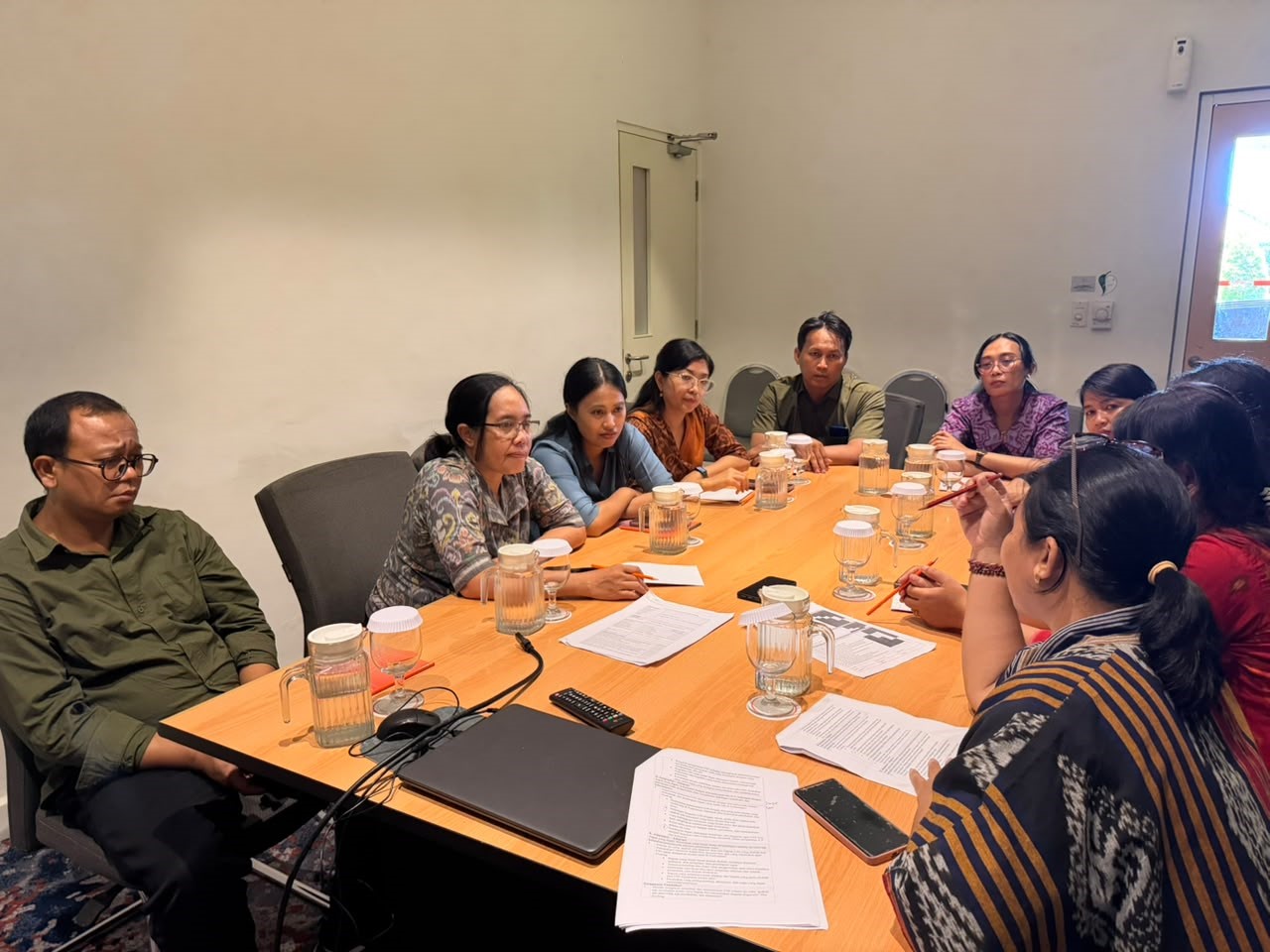
During the FGD, participating physicians, nurses, study coordinators, and laboratory personnel shared their experiences in implementing the surveillance instruments. Discussions explored the feasibility of clinical indicators, integration into routine healthcare workflows, challenges in data collection, and opportunities for improving the surveillance system.
The event also included a data verification session aimed at improving the completeness, consistency, and reliability of research data. Researchers and healthcare professionals reviewed clinical information, laboratory findings, and other relevant records to support data quality and subsequent analyses.
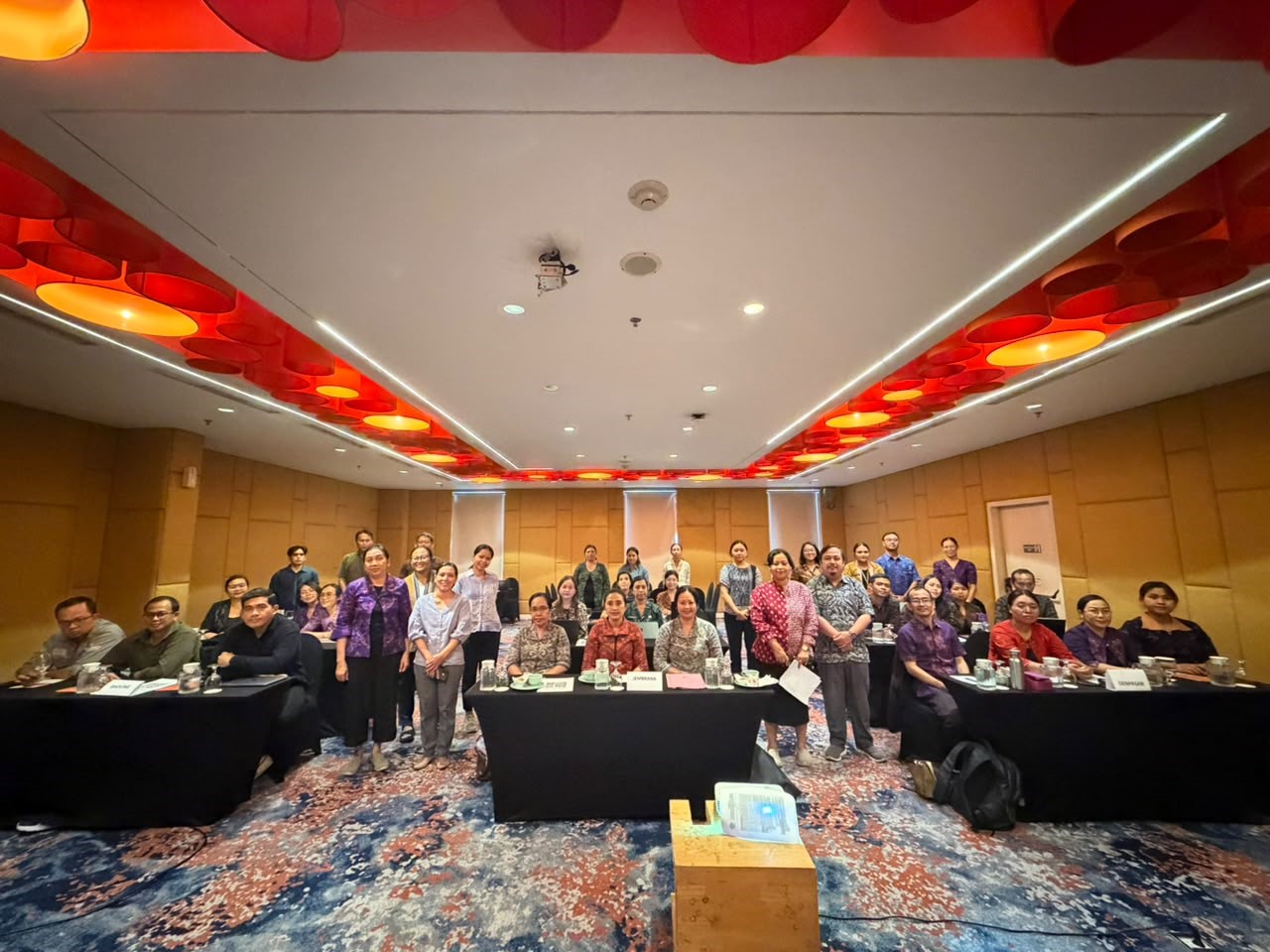
An important aspect of this collaborative research is the involvement of students from the Master of Public Health Program (MIKM), Faculty of Medicine, Udayana University. Students participate as members of the research team, gaining practical experience in public health research while using relevant components of the project as the basis for their master's theses. This integration of collaborative research and postgraduate education provides opportunities for students to strengthen their research competencies and engage directly with public health challenges in primary healthcare settings.
The activity reflects the continuing collaboration between Udayana University and ANU in strengthening public health research and capacity development. By combining international academic collaboration, engagement with frontline healthcare professionals, and postgraduate student participation, the initiative contributes to the development of contextually appropriate surveillance approaches for Bali.
The findings and recommendations from the discussions will inform further refinement of the surveillance instruments and implementation procedures, supporting future efforts to strengthen early detection and response to climate-sensitive infectious diseases in primary healthcare services.
Latest News
-

UNUD–ANU Collaborative Research Streng...
Rabu, 18 November 2026 -

Unud Master of Public Health Program Hol...
Kamis, 19 November 2026 -
MIKM FK UNUD Participates in The IX AIPT...
Selasa, 17 November 2026
FACULTY OF MEDICINE