 EN
EN
 INA
INA
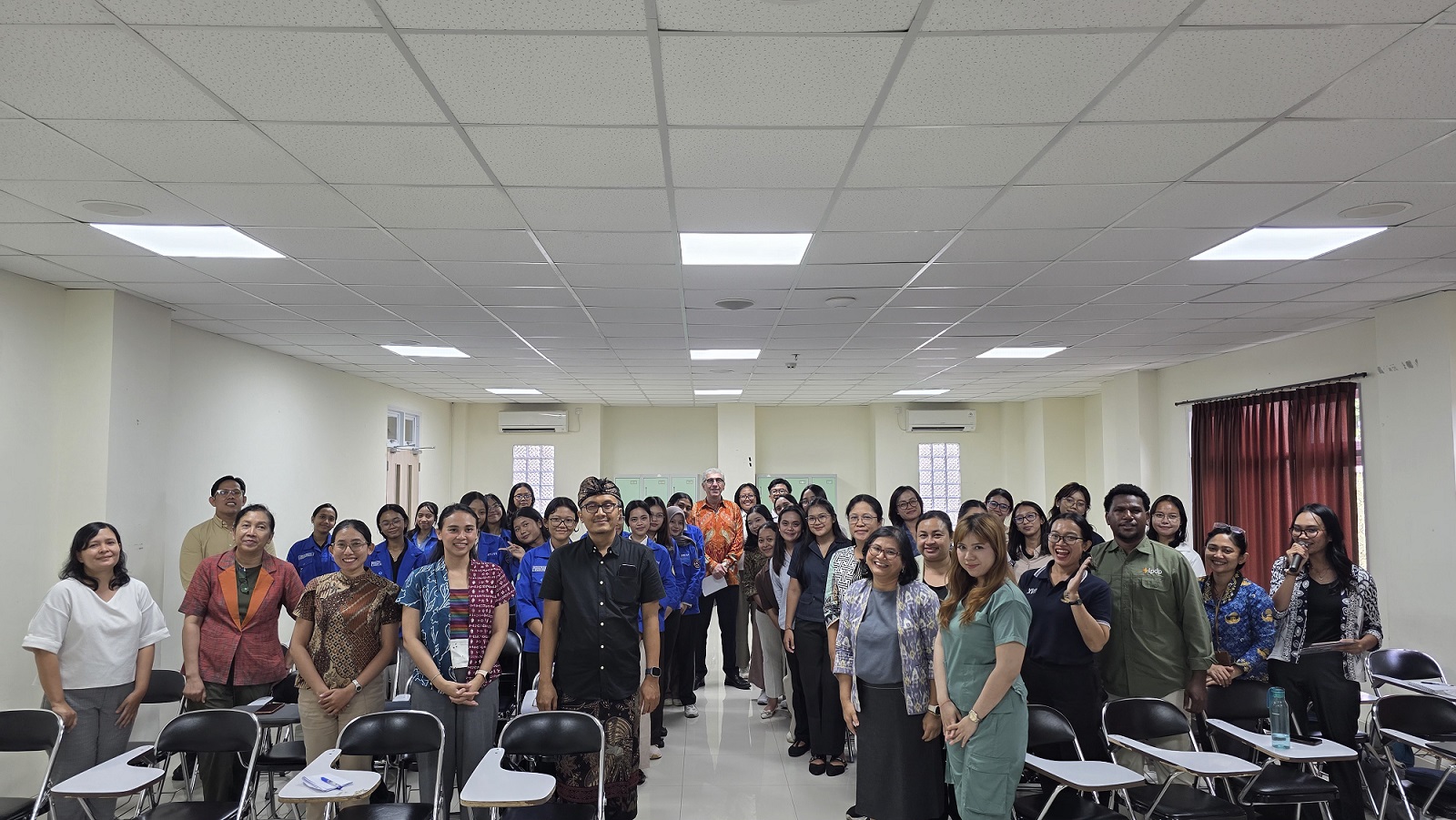
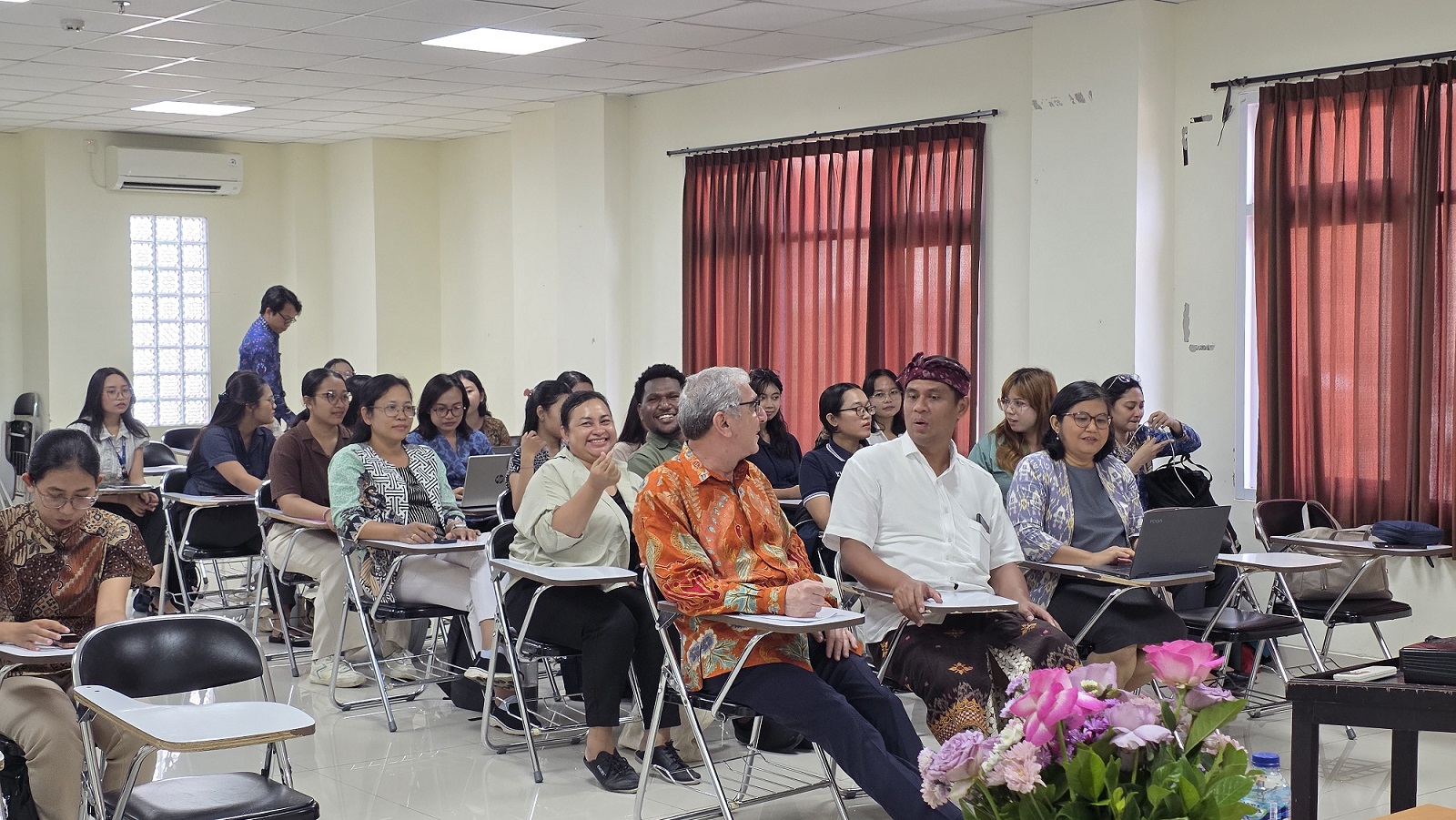
The Master of Public Health Study Program, in collaboration with the Undergraduate Public Health Study Program of the Faculty of Medicine, Udayana University, organized a guest lecture themed "Population Dynamics and Reproductive Health Interlinkages". The event took place in the Bagiada Room, 2nd Floor of the Cakra Vidya Usada (CVU) Building, Faculty of Medicine, Udayana University, Sudirman Campus, Denpasar.
The primary objective of this lecture was to provide in-depth insights and practical perspectives on the connections between population dynamics and reproductive health to the academic community of both the undergraduate and master's public health programs.
The program commenced with a welcoming speech from the Coordinator of the Master of Public Health Study Program, Dinar Saurmauli Lubis, S.KM., MPH., Ph.D.. She expressed gratitude to the speaker and hoped the lecture would serve as a valuable learning platform. She also introduced the profile of the Master of Public Health program and highlighted opportunities for future collaboration with UNFPA.
Following this, the Dean of the Faculty of Medicine, Udayana University, Prof. Dr. dr. I Gede Eka Wiratnaya, Sp.OT., Subsp.Onk.Ort.R(K), delivered his remarks. He emphasized that the Faculty is undergoing a strategic transformation to strengthen its position as a world-class health education institution, with the goal of achieving the World Class University (WCU) 2042 vision.
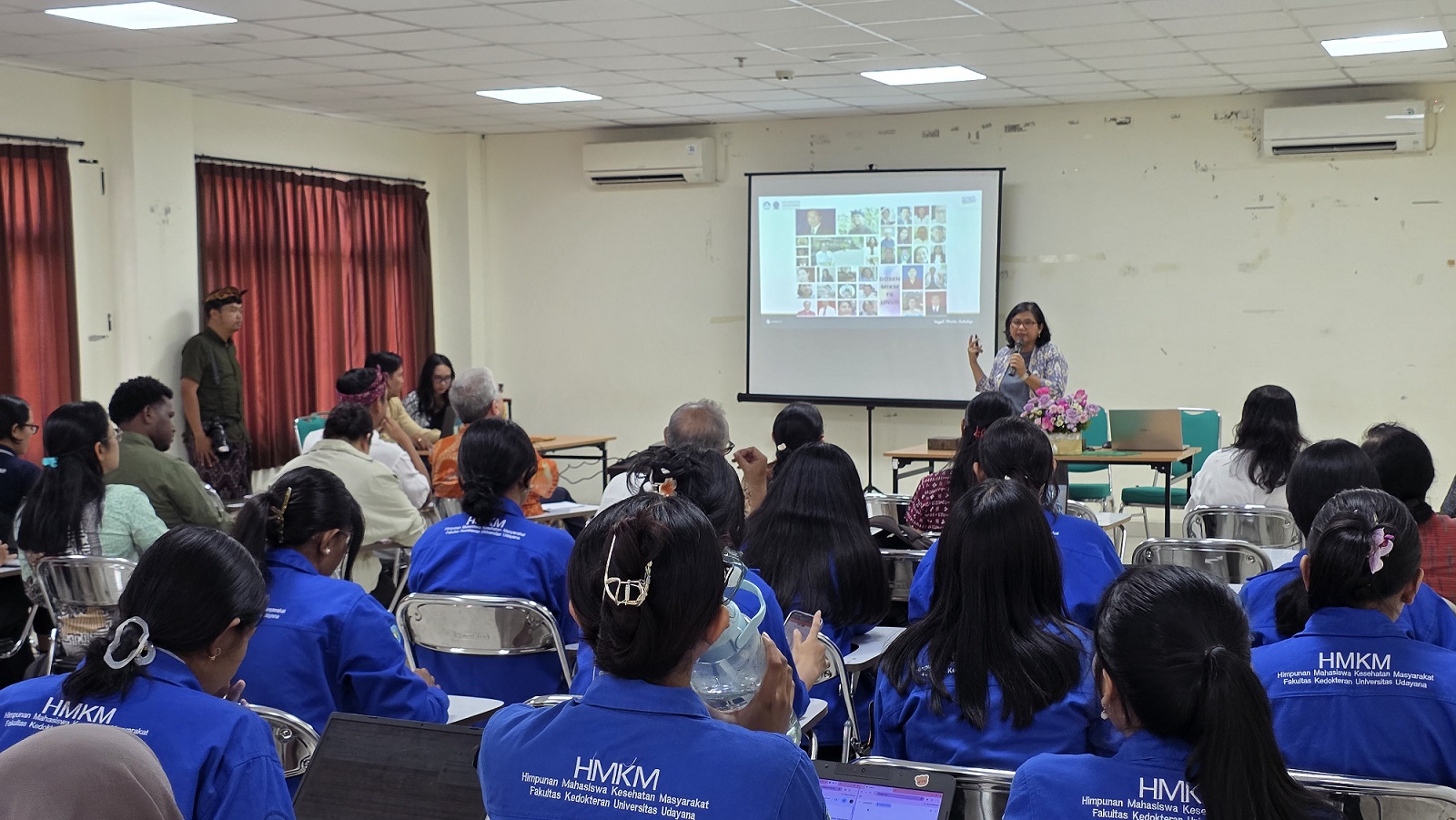
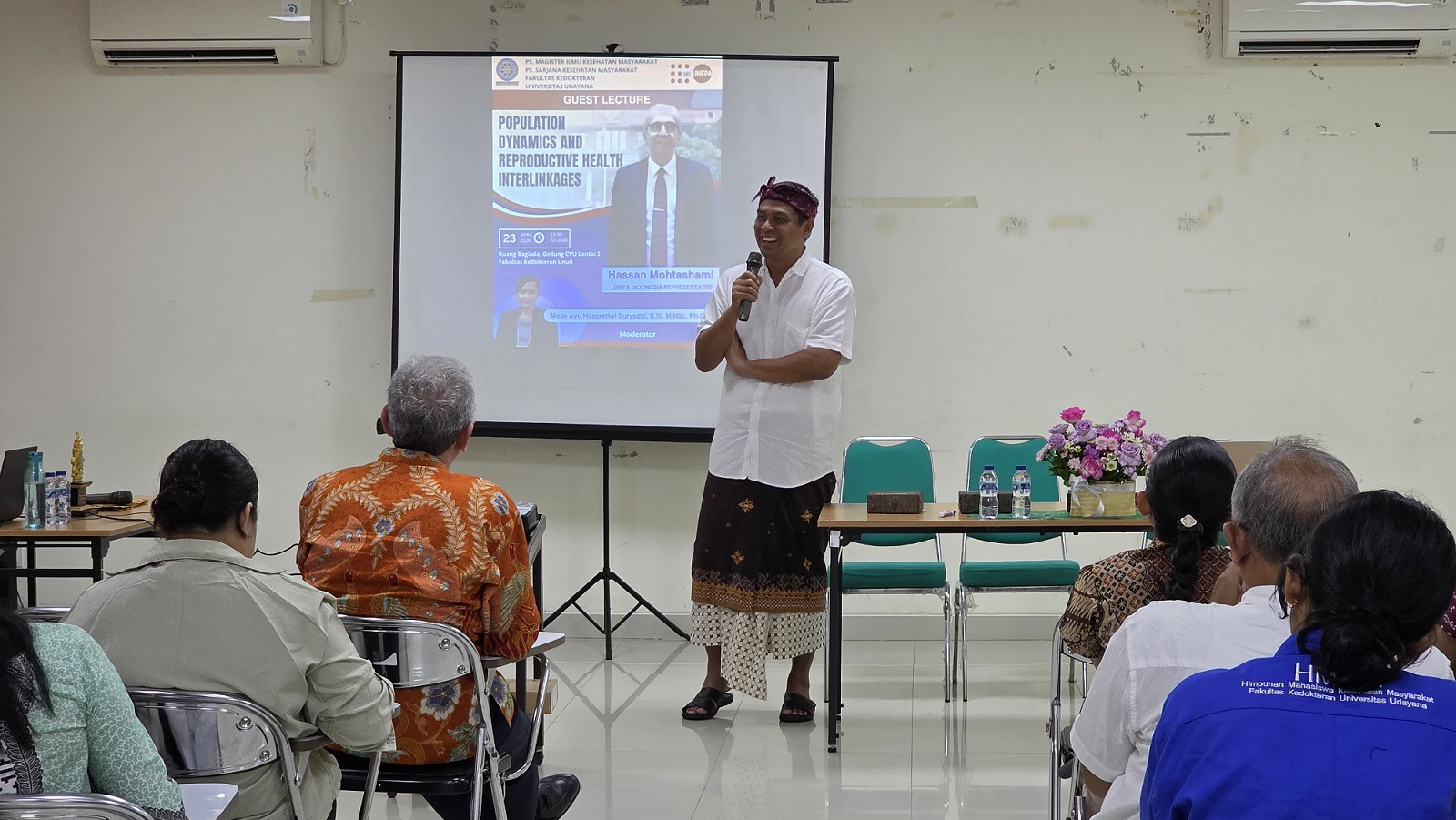
During his lecture, Dr. Hassan explained the interlinkages between population dynamics, sexual and reproductive health, gender equality, and broader issues such as development, security, and peace. He emphasized the importance of ensuring women's sexual and reproductive health rights as a foundation for achieving sustainable development.
Key topics discussed included:
- GBSS (Gender-Biased Sex Selection)
- FGM/C (Female Genital Mutilation/Cutting)
- Child marriage and adolescent pregnancy
- Comprehensive sexual health education
- Family planning services
- Maternal and child mortality
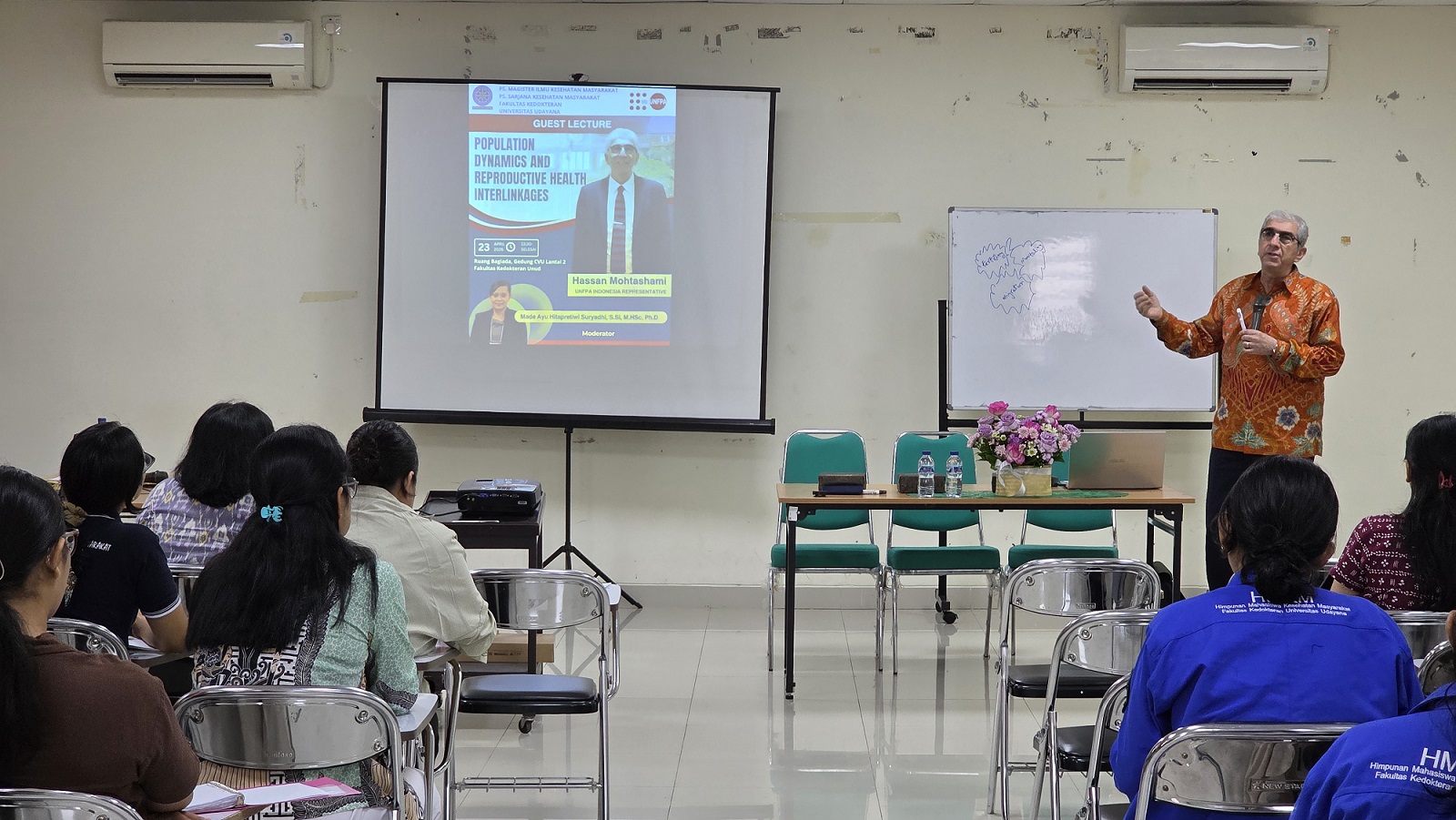
The presentation was highly engaging and informative, leading to an interactive discussion session where students actively participated. This lecture is expected to inspire students to further explore reproductive health issues, which remain a global challenge and a crucial component in achieving gender equality and sustainable development.

MEDICAL FACULTY