 EN
EN
 INA
INA
Bridging Knowledge Across Borders: UNUD MPH Faculty Teach Biostatistics in Timor-Leste
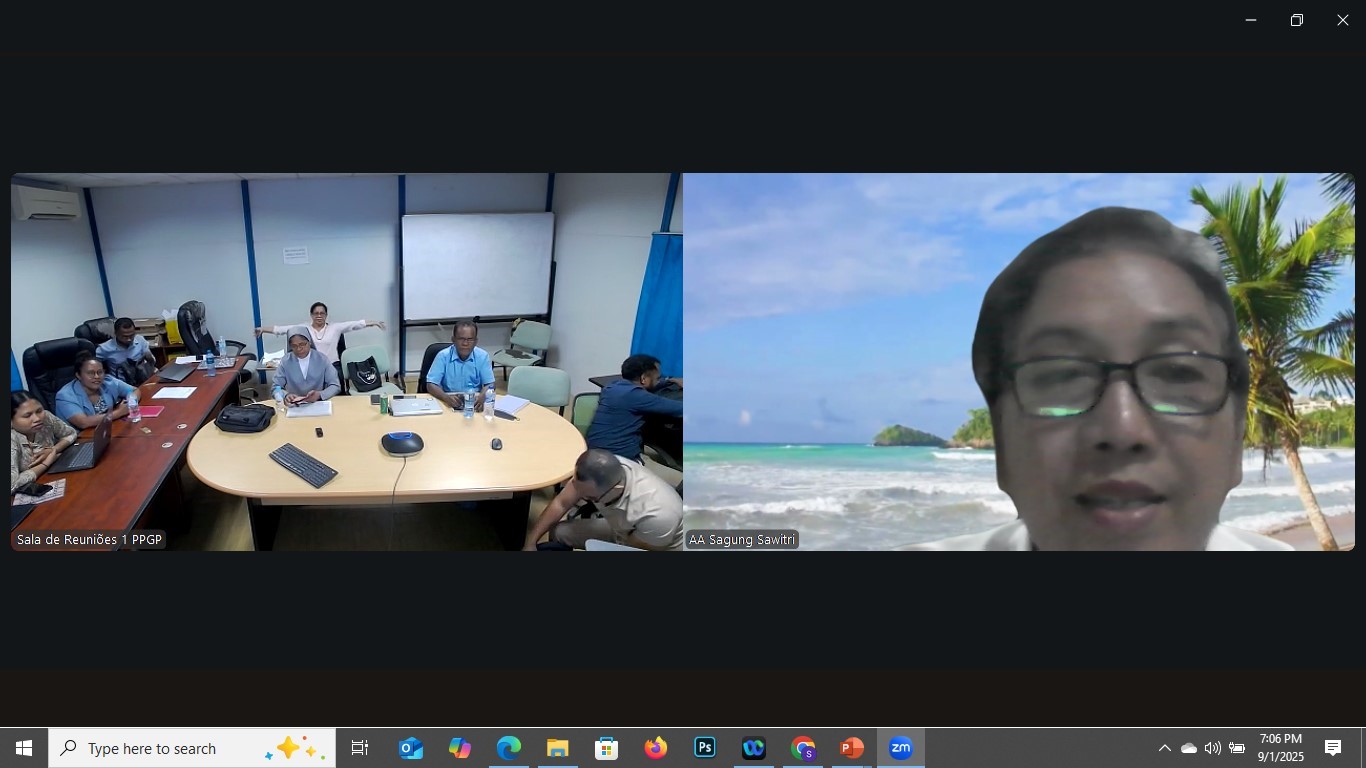
Following the Memorandum of Understanding (MOU) between the National University of Timor-Leste and the Rector of Udayana University, as well as the collaboration agreement between the Faculty of Medicine, UNUD and the Master’s Program in Tropical Medicine and Public Health, Udayana University faculty have been actively involved in teaching statistics to graduate students in Timor-Leste since 2023. The program has now entered its third year of collaboration, reflecting a sustained commitment to international academic partnership.
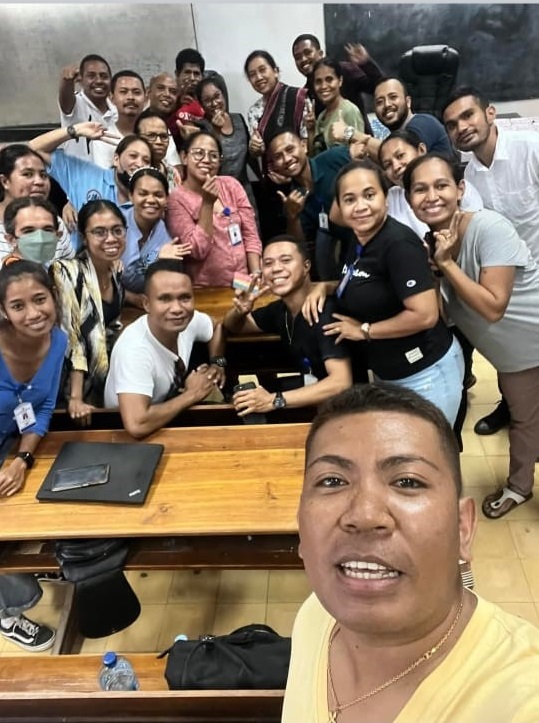
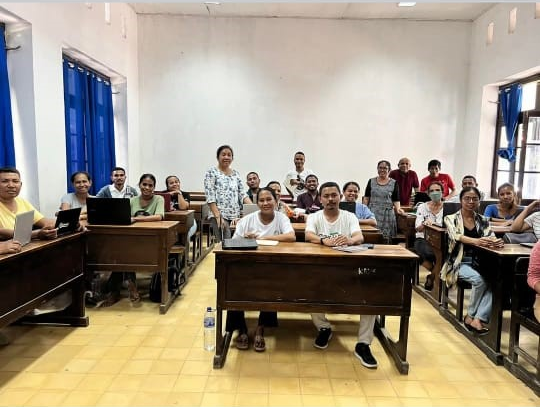
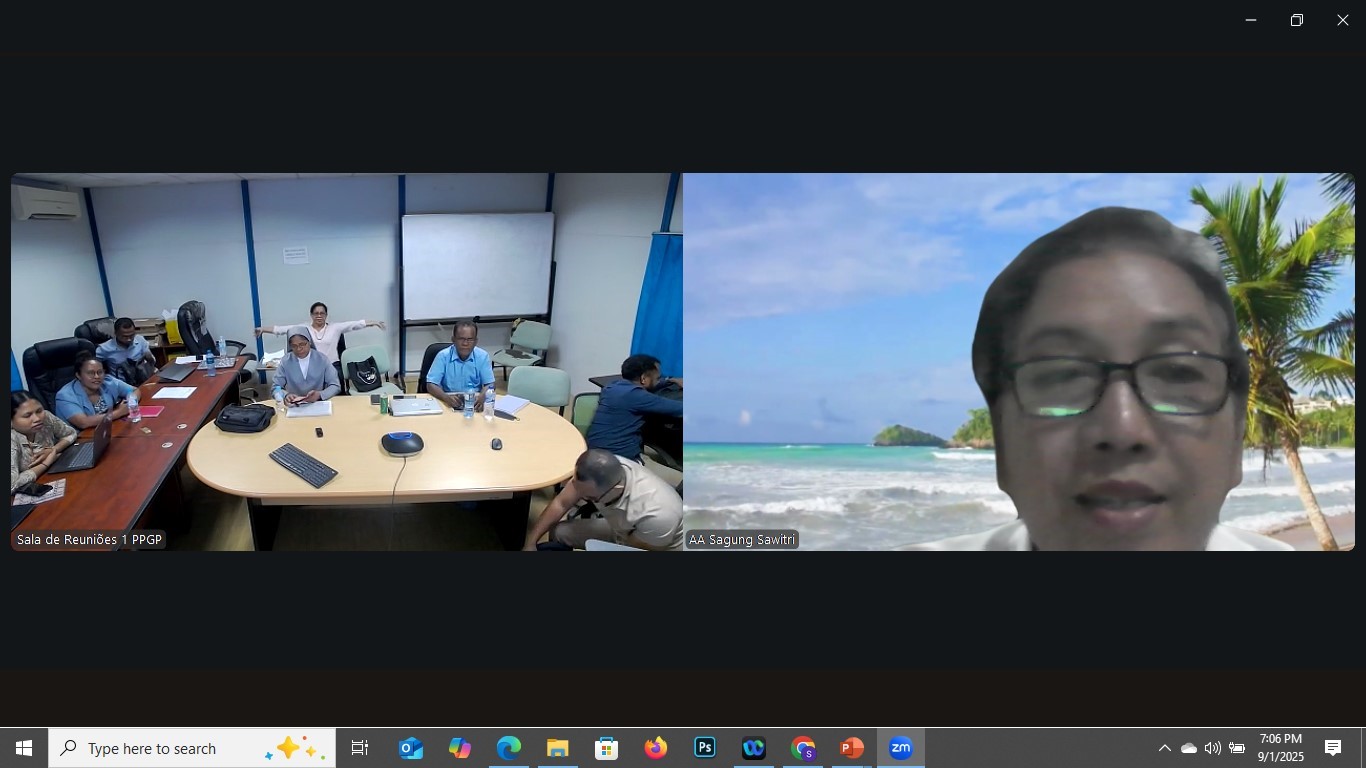
Lecturers from the Master of Public Health Program (S2 IKM), including Dr. Anak Agung Sagung Sawitri, Dr. Ayu Swandewi, and Dr. Wayan Artawan, teach biostatistics, a 6-credit course essential for the development of research and analytical skills in public health. The course is delivered both online and in-person: online sessions have been conducted every Monday evening from 6:00 to 9:00 PM since August, while the in-person teaching session took place from 22–27 September 2025.
|
|
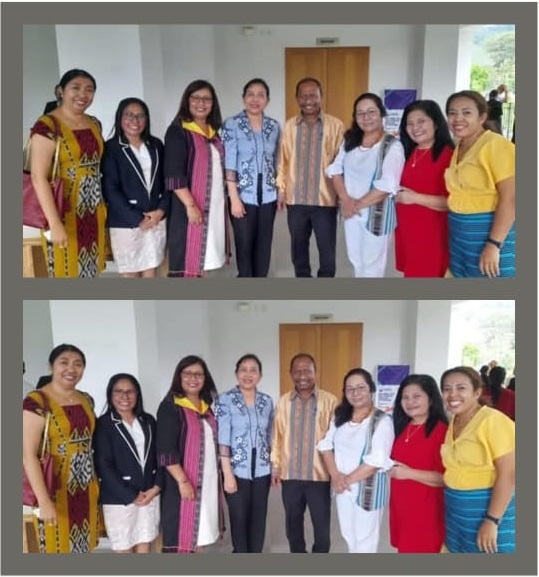
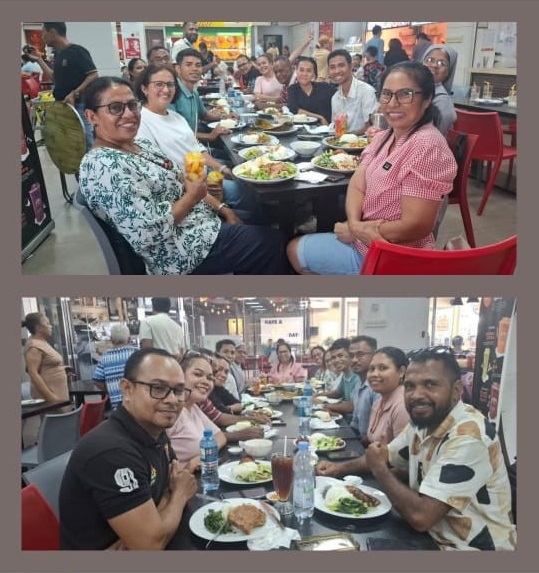
This teaching initiative carries significant value for multiple stakeholders. For students in Timor-Leste, it provides high-quality training in biostatistics, strengthening their capacity to design studies, analyze data, and interpret results in public health and tropical medicine contexts. For UNUD faculty, it offers a platform for international teaching experience, cross-cultural engagement, and curriculum adaptation to different learning environments. The collaboration also reinforces the program’s vision and mission to produce globally competent public health professionals who can contribute to evidence-based health interventions and policy.
Beyond academic learning, this activity exemplifies the transfer of knowledge across borders, promotes regional capacity building, and highlights the role of sustained partnerships in advancing public health education. Participation in both online and in-person teaching ensures continuity of learning while fostering cross-institutional networking, mentorship, and professional development, which are also key indicators of program quality and accreditation excellence.
Gallery

MEDICAL FACULTY