 EN
EN
 INA
INA
Epidemiology: More Than Just Numbers
EPIDEMIOLOGY: MORE THAN JUST NUMBERS

What comes to mind when you hear the word epidemiology? For many, it is often associated with numbers, data, and computer-based analysis. Becoming an epidemiologist may seem like spending most of the time behind a screen, working with statistical software and datasets.
However, my journey as an alumna of the Master of Public Health program at Udayana University—with a concentration in field epidemiology—has completely transformed that perception.
Currently, I serve as a lecturer in the undergraduate Public Health program at the Faculty of Medicine, Udayana University, within the Maternal and Child Health/Reproductive Health division. Despite not being placed in an epidemiology division, I apply epidemiological thinking every day in fulfilling the Tri Dharma Perguruan Tinggi—teaching, research, and community service. This highlights how essential and transferable epidemiological skills are across disciplines.
Field Experience & Global Collaboration
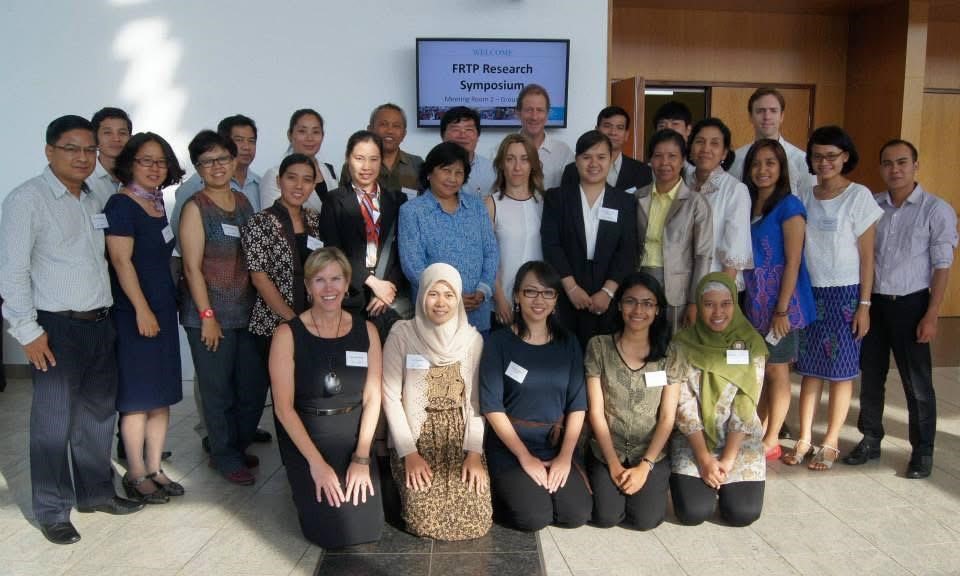
My experience with epidemiology extends far beyond the classroom. During my studies, I participated in the Field Research Training Program (FRTP), where I collaborated with prestigious institutions such as Universitas Gadjah Mada and University of New South Wales. This experience deepened my understanding of epidemiology, research methodology, and biostatistik. I also had the opportunity to attend an international conference in Darwin, Australia—broadening my perspective that good epidemiology must be practical, collaborative, and globally relevant.
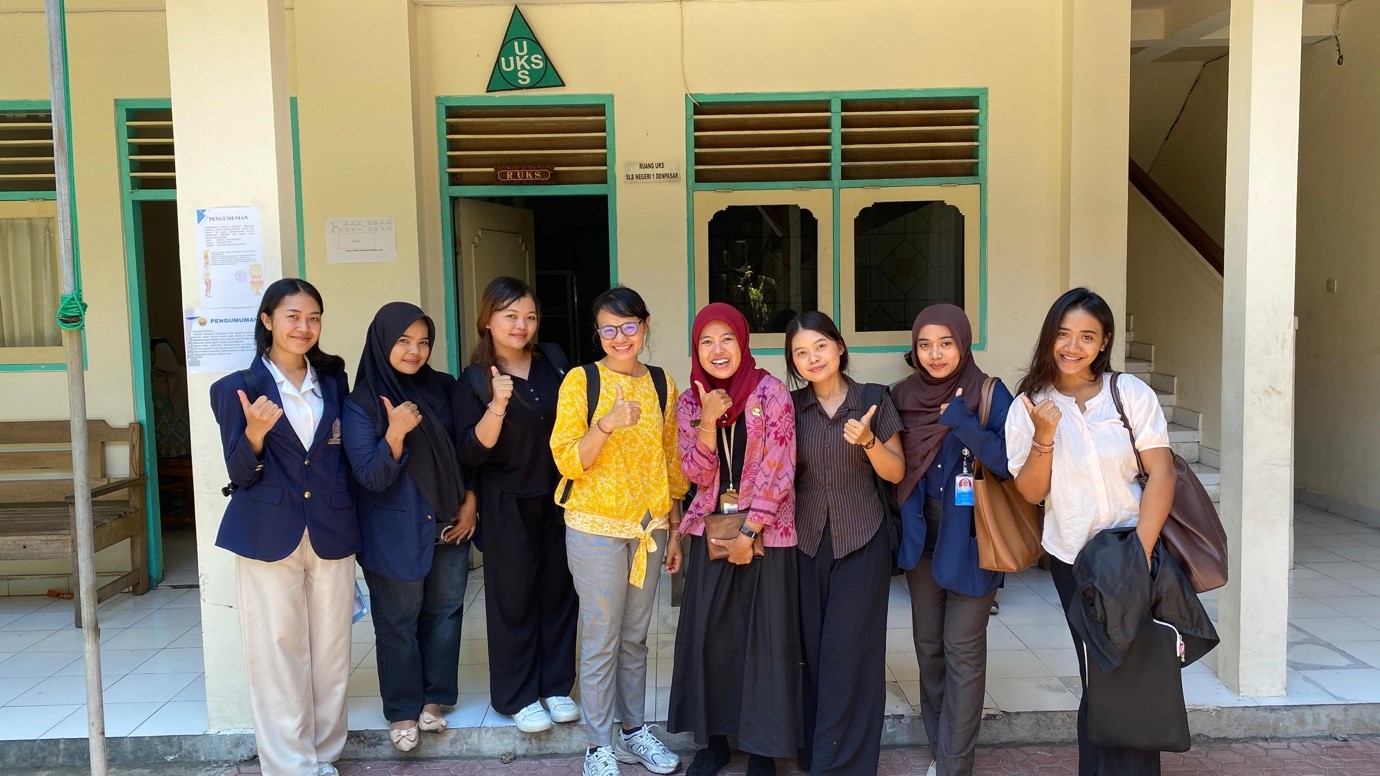
This journey continued after graduation when I became part of the HATI (HIV Early Testing & Treatment Indonesia) Project—an implementation research initiative involving the Department of Foreign Affairs and Trade, Ministry of Health Republic of Indonesia, WHO SEARO, the Kirby Institute UNSW, and leading Indonesian universities. Through this work, I witnessed how epidemiology and research methodology directly inform policies critical to national HIV control efforts.
These field experiences strongly shape how I teach. I do not only deliver theory, but also emphasize practical application. I guide students to think critically using principles of causality. In maternal and reproductive health research, selecting the right study design is a key “weapon” for producing valid evidence. Without proper analysis, data remain just numbers—useful for reporting, but insufficient to solve real health problems.
This is where epidemiology becomes essential. Without a strong epidemiological foundation, research risks becoming merely a collection of data. With it, research can generate meaningful insights and actionable policy recommendations for stakeholders.
Why Choose Epidemiology as a Specialization?
- Global Relevance: Epidemiology connects you to national and international research networks addressing critical public health challenges.
- Career Flexibility: It opens pathways as an academic, researcher, or consultant in national and global organizations.
- Analytical Strength: It trains you to transform raw data into evidence-based policy recommendations.
Field epidemiology is more than an academic pursuit—it is a pathway to real-world impact. In maternal and reproductive health, I have seen how data transform into life-saving policies for mothers and children. This is the power of epidemiology: turning evidence into action through interventions that are proven, precise, and impactful.

MEDICAL FACULTY