 EN
EN
 INA
INA
Udayana University MIKM Students Conduct Community Service for Early Detection of Non-Communicable Diseases in Kintamani
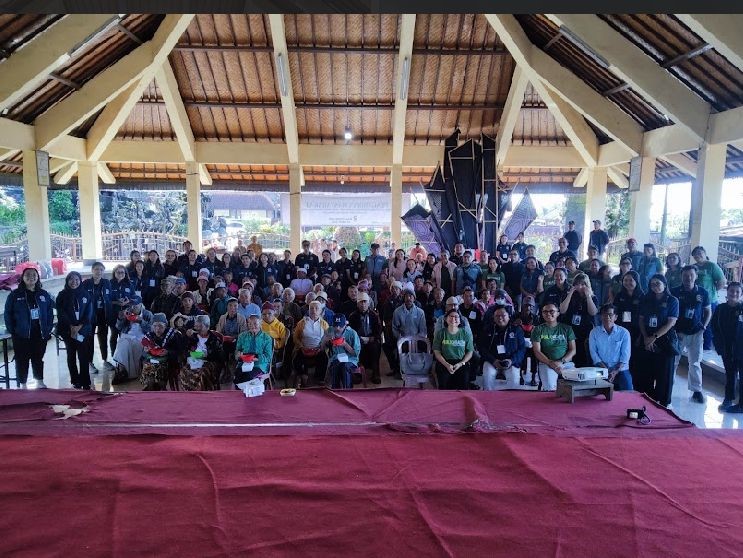
The Master of Public Health Program , Faculty of Medicine, Udayana University, carried out a community service activity titled “Movement for Early Detection and Physical Health Education for the Prevention of Non-Communicable Diseases” on Saturday, March 7, 2026, in the working area of Kintamani VI Public Health Center, Bangli Regency. This activity represents a tangible contribution of academia in supporting promotive and preventive efforts within the community, particularly in response to the increasing prevalence of non-communicable diseases (NCDs).
The event was officially opened by the Coordinator of the Master’s Program in Public Health, Dinar Saurmauli Lubis, S.KM., M.P.H., Ph.D., who emphasized the importance of student involvement in field activities as part of both academic learning and community service. A welcoming speech was also delivered by the Acting Head of the Bangli District Health Office, dr. I Dewa Gede Oka Darsana, Sp.An, who is also a student of the Master’s Program in Public Health at Udayana University, demonstrating a strong synergy between academia and regional healthcare services.
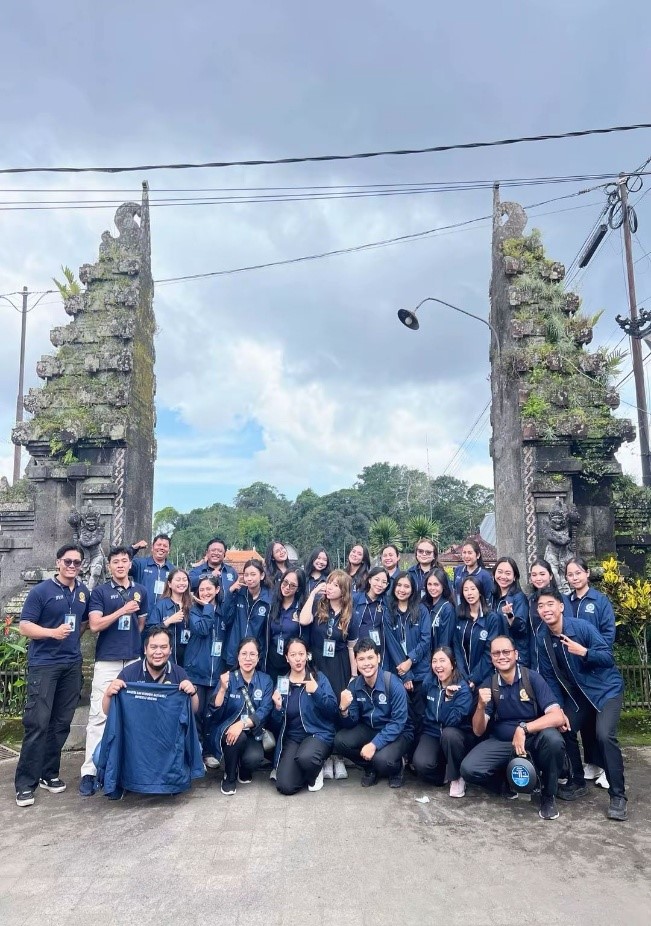
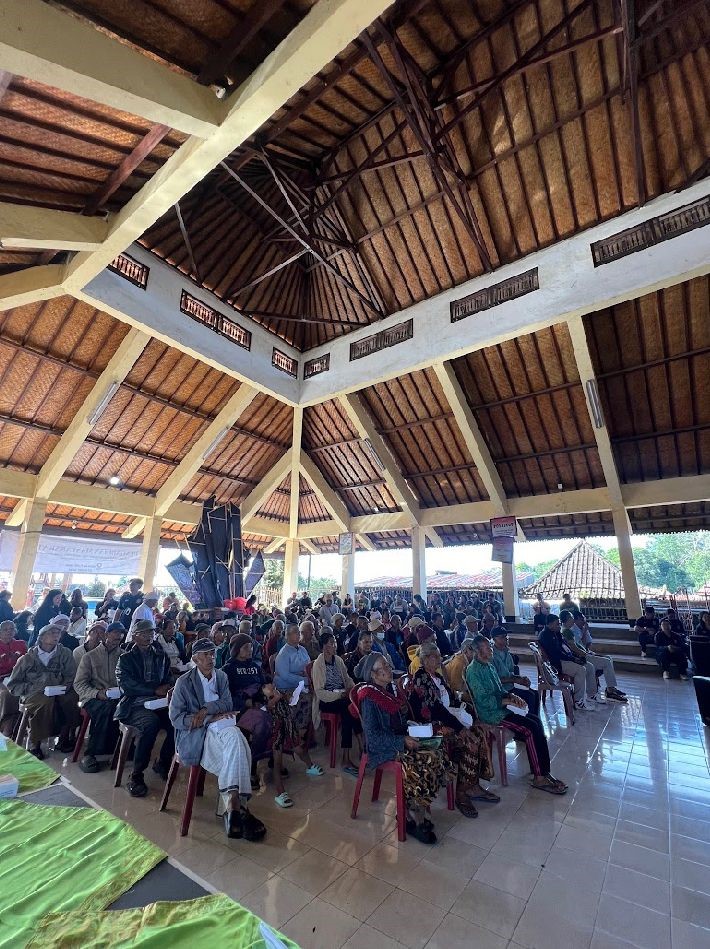
The activity was led by a Master’s student in Public Health, Bdn. Putu Arundhati Widyasari, S.Tr.Keb, along with the community service team. The primary target of this activity was the elderly population in Bayung Gede Village, including high-risk groups for NCDs such as hypertension.
The series of activities included interactive physical health education delivered by dr. I Putu Anom Nurcahyadi, S.Ked, who provided information on risk factors, prevention strategies, and the importance of early detection of non-communicable diseases. In addition, a Free Health Check (FHC) was conducted, including measurements of blood pressure, height and weight, waist circumference, blood glucose, cholesterol, and uric acid levels. Participants also received brief counseling based on their examination results to enhance their understanding and awareness of the importance of managing disease risk factors.
The activity was attended by village officials, healthcare personnel from Kintamani VI Public Health Center, and supported by numerous lecturers from both the Bachelor of Public Health Program and The Master of Public Health Program, Faculty of Medicine, Udayana University, who actively contributed through guidance and supervision in the field. This cross-level academic involvement strengthened the quality of the program implementation and demonstrated solid academic collaboration.
The success of this activity was inseparable from the excellent teamwork and organization among the students. From the preparation stage to implementation and evaluation, all team members demonstrated outstanding coordination and cohesion, ensuring that the activity ran smoothly and provided tangible benefits to the community.
Through this activity, it is expected that the community will become more aware of the importance of early detection of non-communicable diseases and be motivated to adopt sustainable healthy lifestyle behaviors. Furthermore, this initiative strengthens collaboration between higher education institutions, healthcare facilities, and local government in improving community health status.
|
|

MEDICAL FACULTY