 EN
EN
 INA
INA
Rethinking Fever Surveillance in Bali: A Step Toward Climate-Sensitive Detection at the Primary Care Level
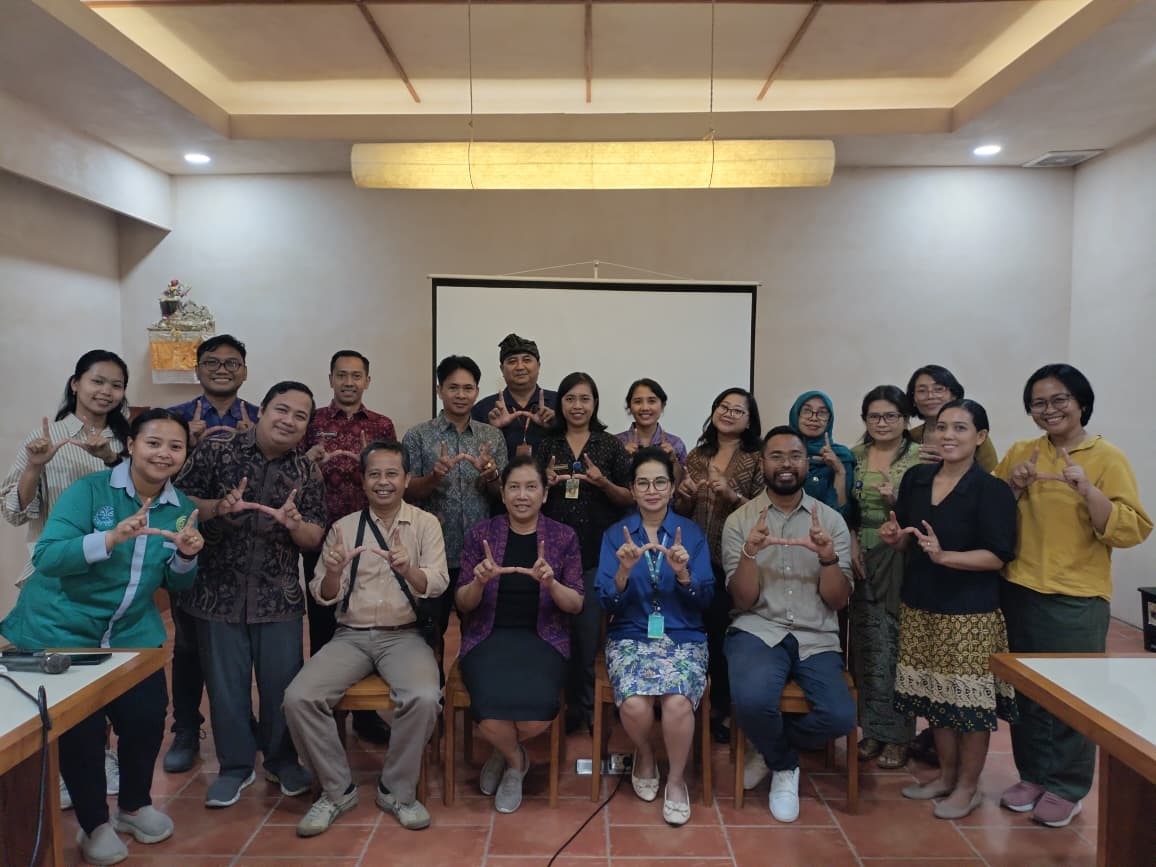
A consensus workshop on the development of a climate-sensitive syndromic surveillance system for acute febrile illness was held on April 9, 2026, marking an important step in strengthening early detection at the primary care level in Bali.
This strategic initiative is part of a collaboration between the PRIME Center, a research group under Udayana University focusing on primary care development, and the Australian National University.
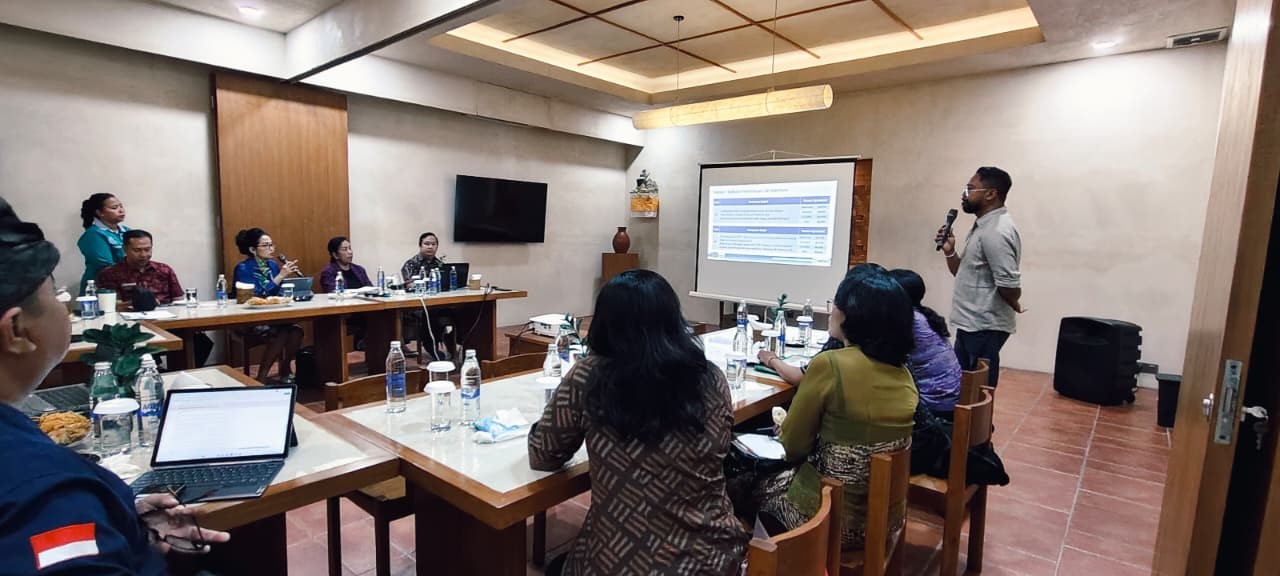
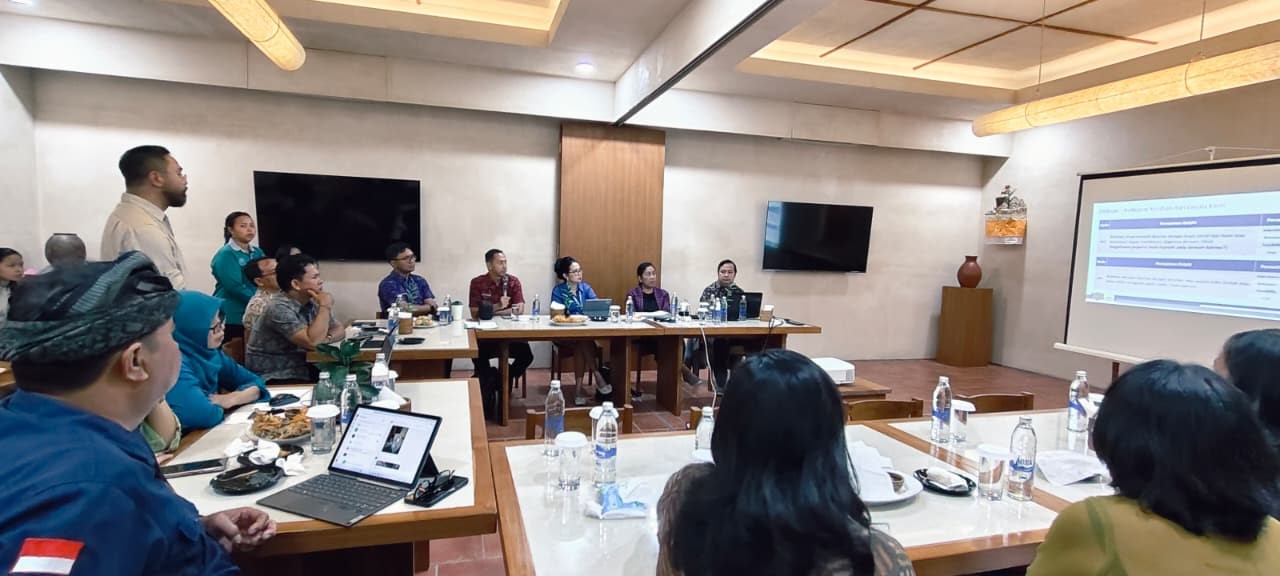
Acute febrile illness in clinical practice is often diagnosed as dengue or typhoid. However, in Bali’s epidemiological context, other conditions such as Chikungunya, Rickettsial infections, and Leptospirosis are also important and may be under-recognized, particularly in the context of changing climate patterns. This highlights the need for a more sensitive and context-specific surveillance approach.
During the workshop, indicators identified through a literature review were further assessed through a Delphi process involving a panel of experts, including pediatricians, internists, and primary care physicians. Experts provided valuable input, including revising indicator definitions, removing less relevant variables, and proposing new indicators to improve the system's sensitivity.
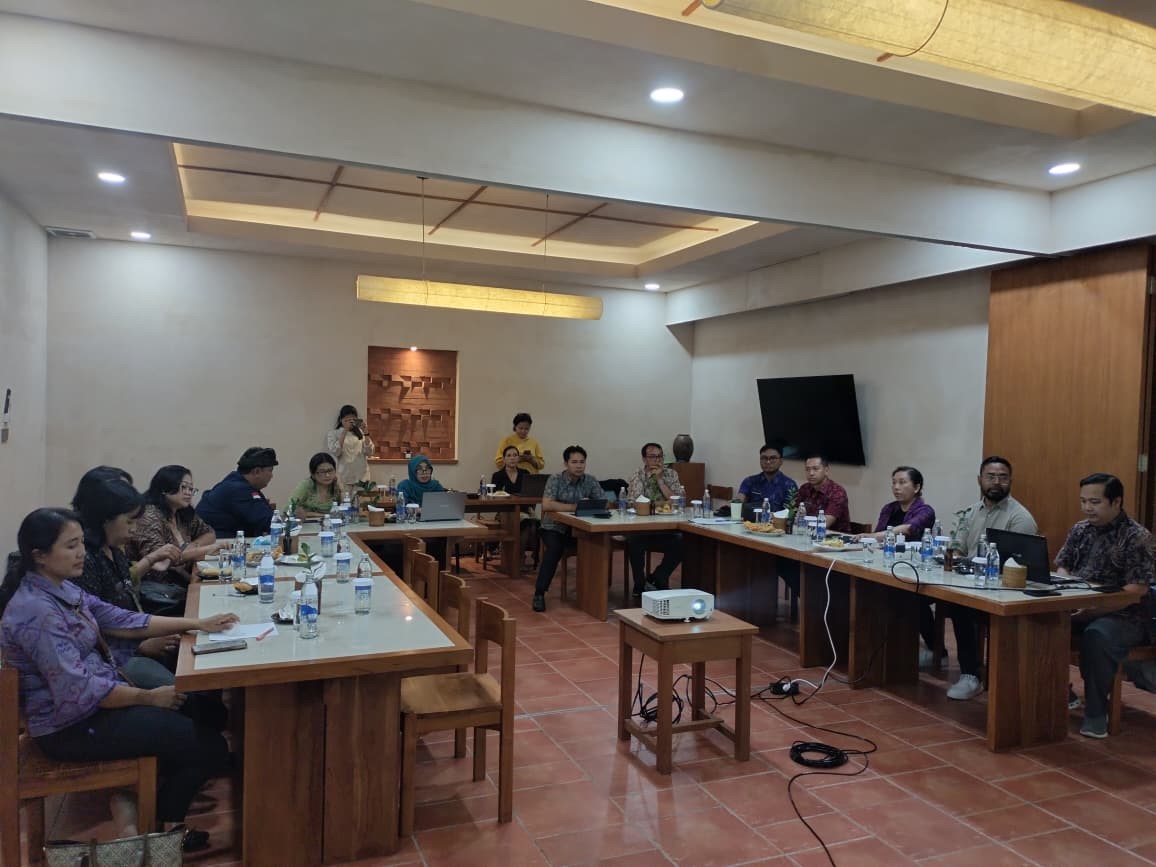

The active involvement of clinicians from Puskesmas ensures that the system being developed is grounded in real-world practice and responsive to local needs. Furthermore, the project serves as a meaningful learning platform for lecturers, alumni, and current students of the Master of Public Health (S2 IKM) Udayana University.
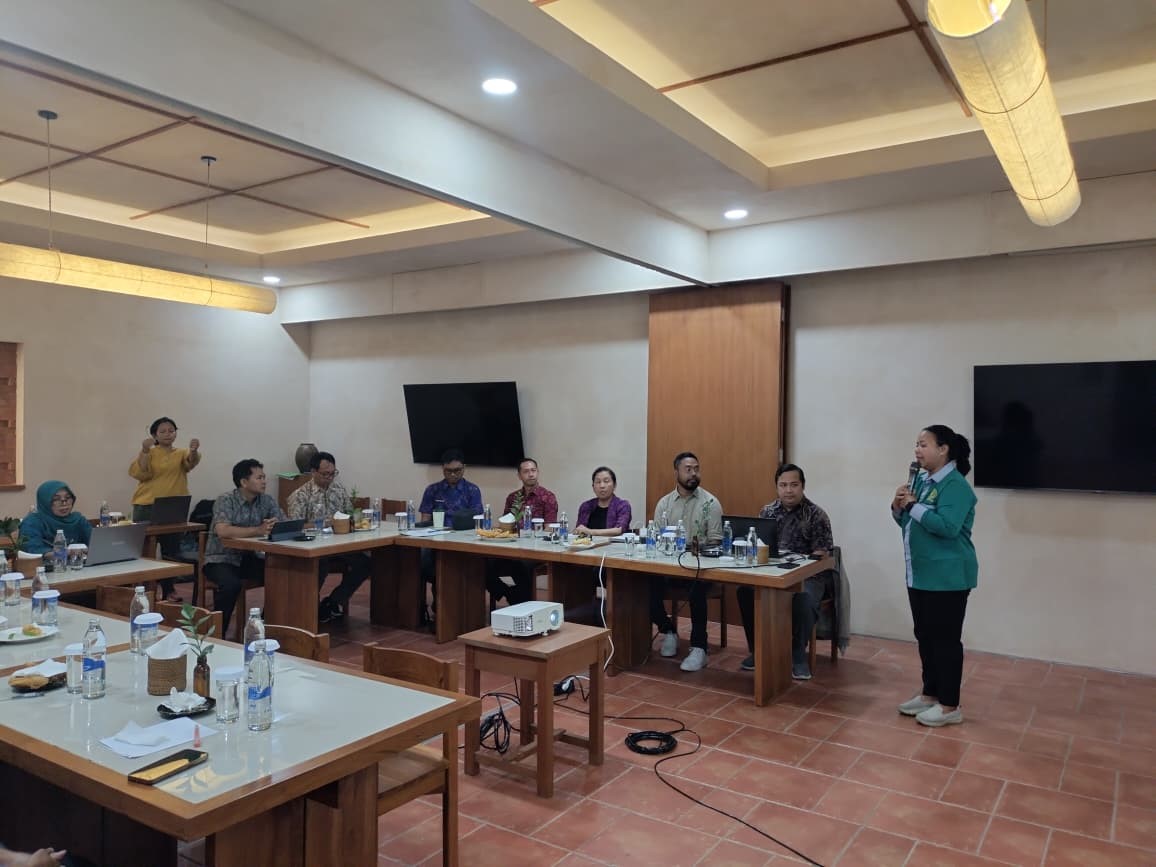
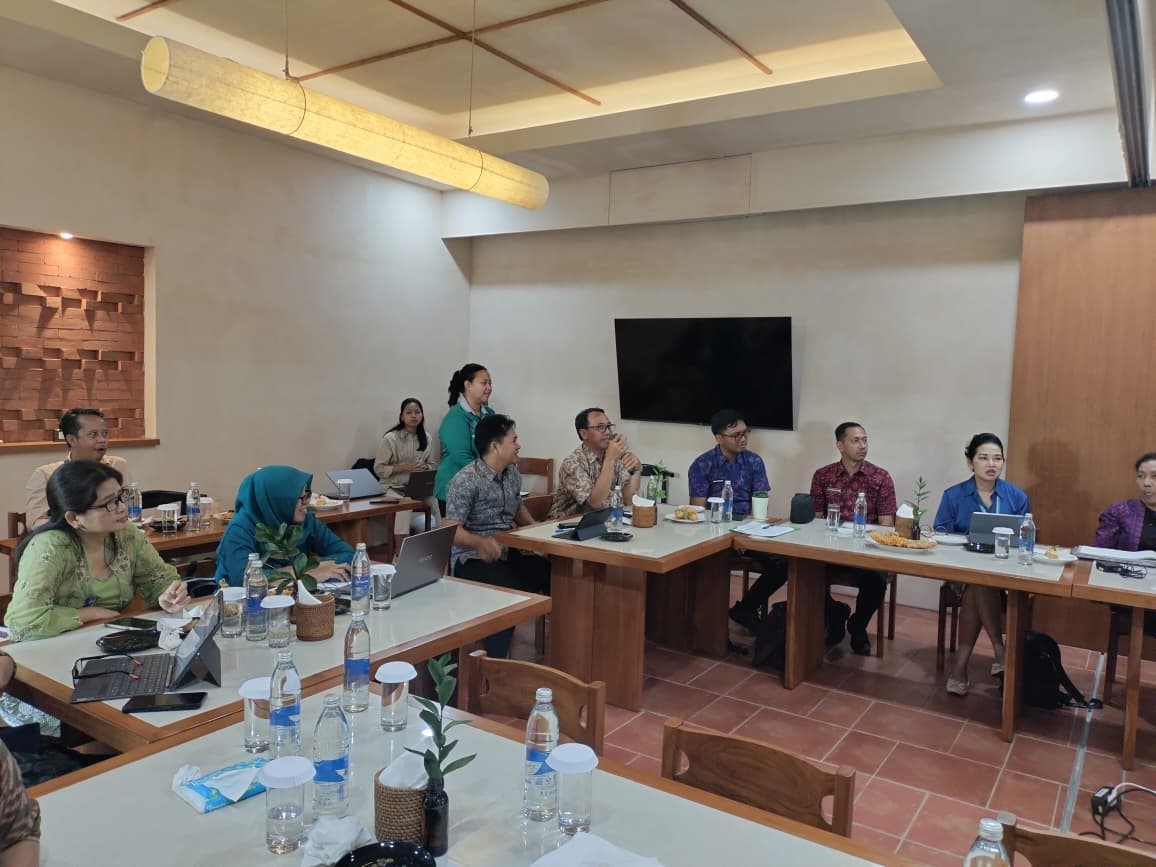
Students are directly involved in applied research and introduced to advanced methodologies such as the Delphi consensus, which also opens significant opportunities for thesis development. Udayana University is committed to continuing the integration of research, education, and health services to build a more adaptive public health system.
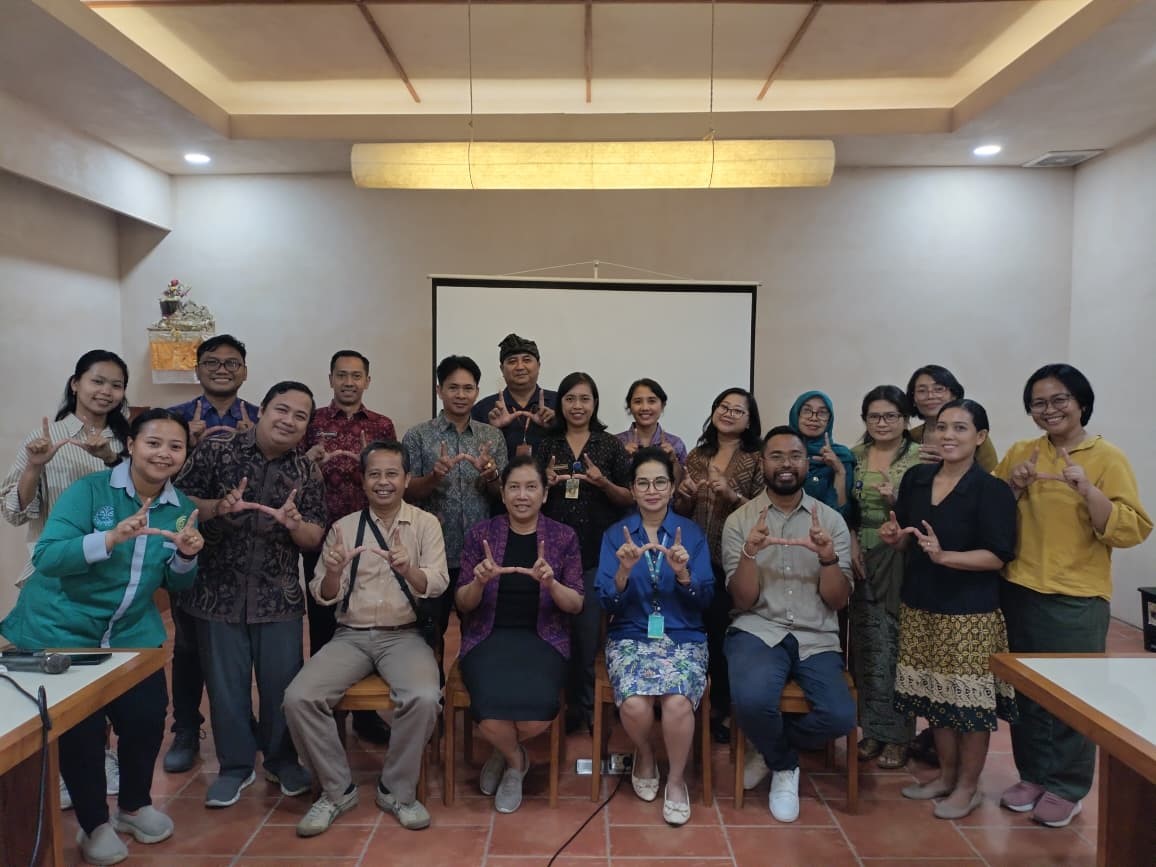


A consensus workshop on the development of a climate-sensitive syndromic surveillance system for acute febrile illness was held on April 9, 2026, marking an important step in strengthening early detection at the primary care level in Bali.
This strategic initiative is part of a collaboration between the PRIME Center, a research group under Udayana University focusing on primary care development, and the Australian National University.
Acute febrile illness in clinical practice is often diagnosed as dengue or typhoid. However, in Bali’s epidemiological context, other conditions such as Chikungunya, Rickettsial infections, and Leptospirosis are also important and may be under-recognized, particularly in the context of changing climate patterns. This highlights the need for a more sensitive and context-specific surveillance approach.
During the workshop, indicators identified through a literature review were further assessed through a Delphi process involving a panel of experts, including pediatricians, internists, and primary care physicians. Experts provided valuable input, including revising indicator definitions, removing less relevant variables, and proposing new indicators to improve the system's sensitivity.
The active involvement of clinicians from Puskesmas ensures that the system being developed is grounded in real-world practice and responsive to local needs. Furthermore, the project serves as a meaningful learning platform for lecturers, alumni, and current students of the Master of Public Health (S2 IKM) Udayana University.
Students are directly involved in applied research and introduced to advanced methodologies such as the Delphi consensus, which also opens significant opportunities for thesis development. Udayana University is committed to continuing the integration of research, education, and health services to build a more adaptive public health system.

MEDICAL FACULTY