 EN
EN
 INA
INA
MIKM Faculty and Students Join Udayana University Health Mission to Sumatra
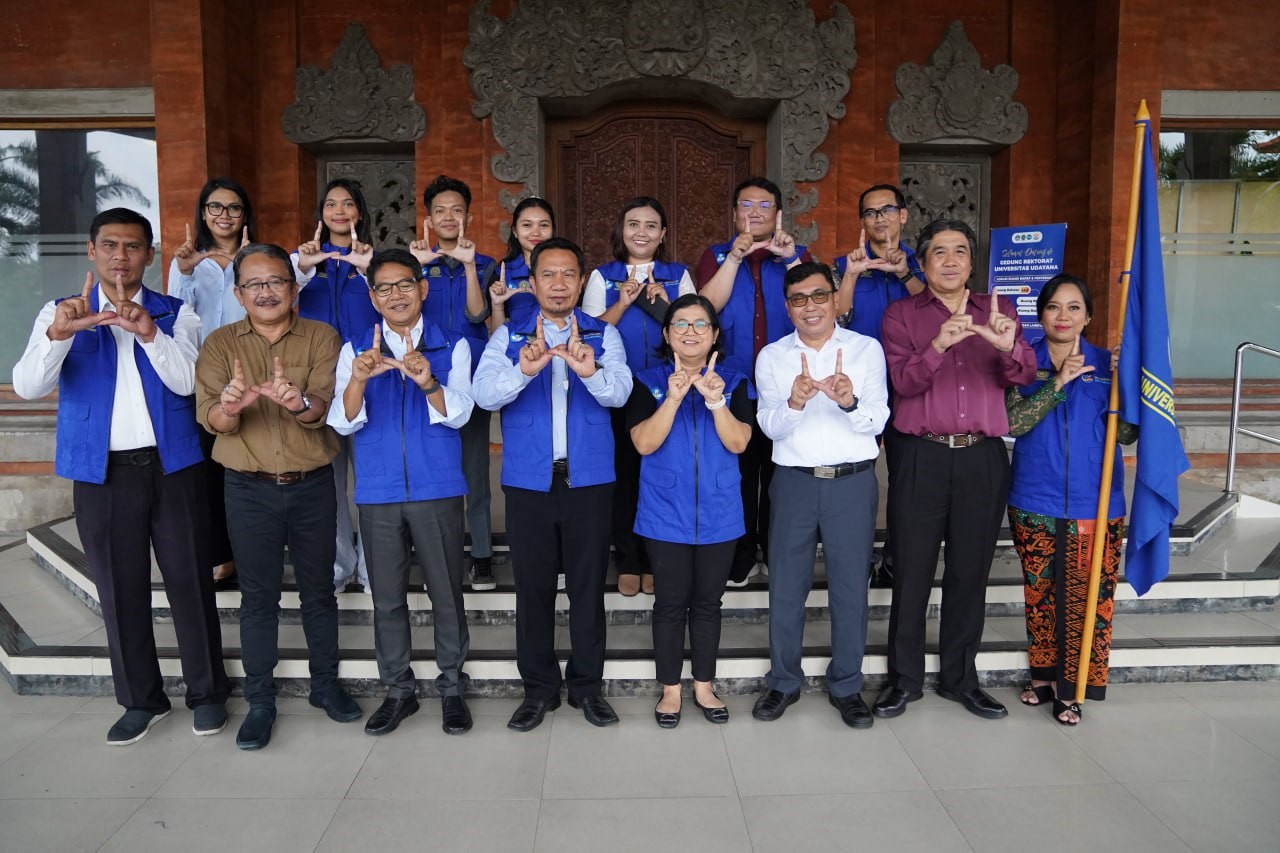
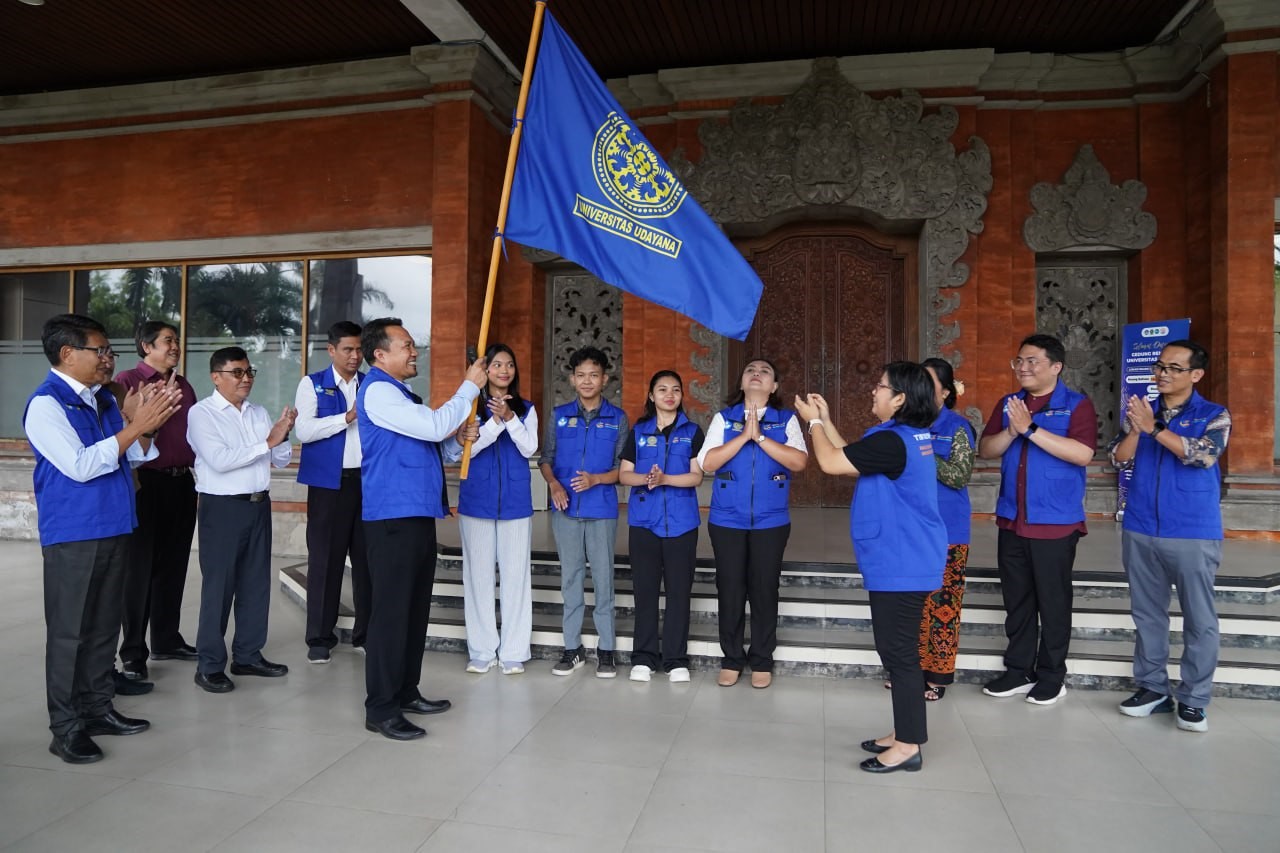
Udayana University once again demonstrated its commitment to community service and humanitarian response by deploying a Health and Medical Team to Sumatra, with a significant contribution from the Master of Public Health (MIKM) Program. The deployment ceremony was held at the Rectorate Lobby, Jimbaran Campus, on Saturday, 20 December 2025, and was officially attended by the Rector, Senate Chair, Vice Rectors, and the Dean of the Faculty of Medicine.
|
|
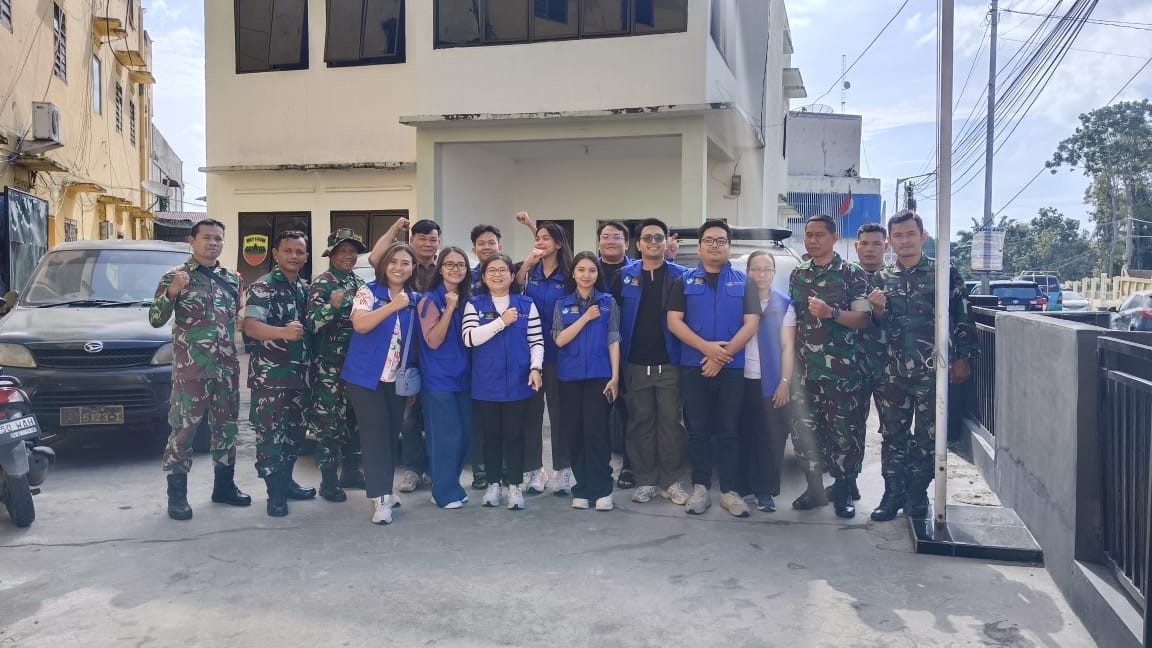
The health team was led by Dr. Dinar
Saurmauli Lubis, SKM, MPH, PhD, a lecturer of the MIKM Program, who served
as Team Leader for the community service mission. The team also included
Luh Diah Parasuari, a master’s student from the MIKM Program, reflecting
active student involvement in real-world public health practice. Other members
of the health team came from multidisciplinary backgrounds, including midwifery
and biomedical sciences.
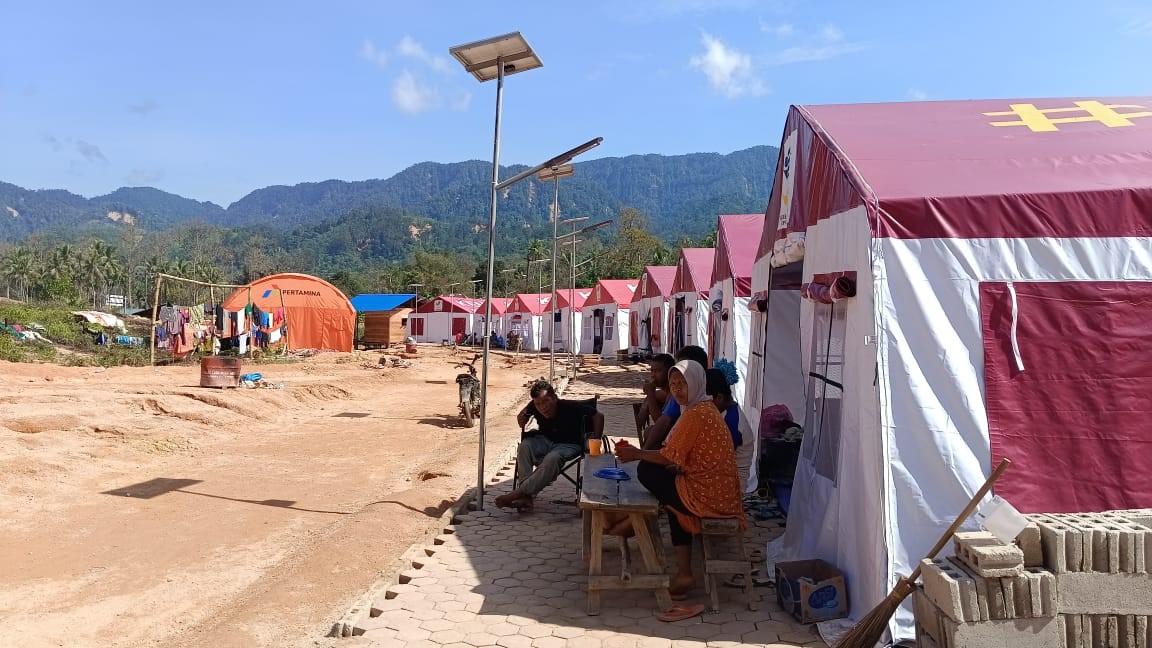
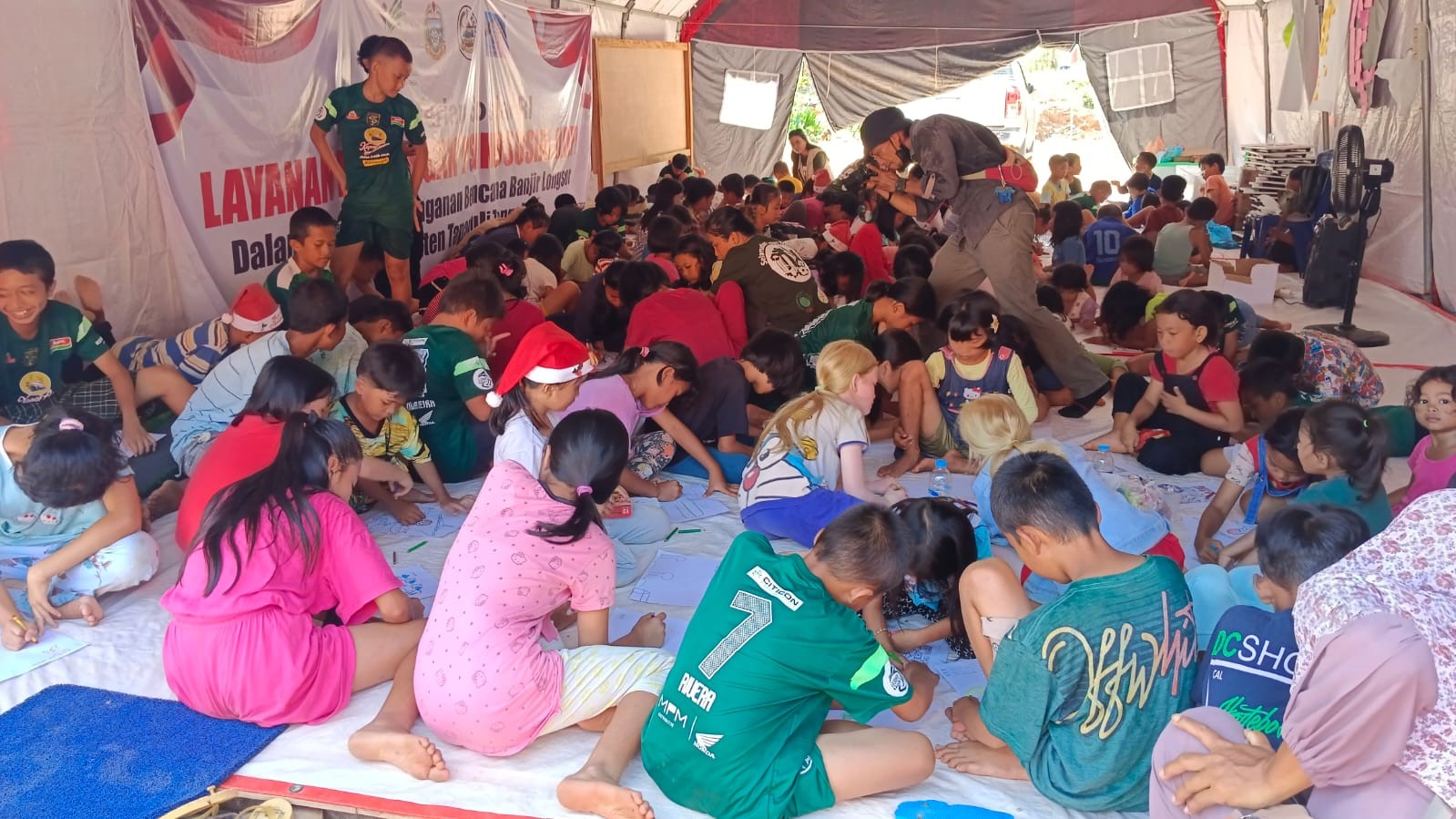
The mission was formed in response to
urgent health needs in disaster-affected areas, particularly Central
Tapanuli (Tapanuli Tengah), near Sibolga, North Sumatra. During the
assignment, the team was scheduled to coordinate with the local Health Office,
the Ministry of Health Crisis Center, and provincial authorities. Services
provided included basic health care, reproductive health services, and health
education, supported by the distribution of public health educational
materials developed by the Public Health Program.
Alongside the health team, Udayana
University also deployed a Medical Team consisting of clinicians and
medical residents, as well as students from the Janar Duta Medical Assistance
Team (TBM), highlighting strong interprofessional collaboration across the
university.
|
|
Meaning and Institutional Value
The involvement of MIKM faculty and
students in this mission underscores the program’s commitment to applied
public health, community engagement, and experiential learning. For
students, participation offers invaluable exposure to public health response in
emergency and disaster settings. For lecturers, it represents an opportunity to
translate academic expertise into direct societal impact.
At the institutional level, this activity reflects Udayana University’s vision of socially responsive education and strengthens collaboration between academia, health services, and government stakeholders. It also contributes positively to quality assurance and accreditation values by demonstrating leadership, community service, interdisciplinary teamwork, and meaningful student involvement in addressing real public health challenges.

MEDICAL FACULTY