 EN
EN
 INA
INA
From Knowledge to Action: UNUD IKM Faculty Supports Nutrition for Vulnerable Communities in Suwung
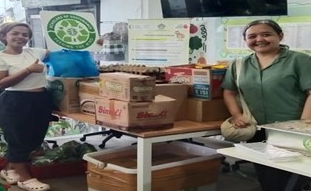
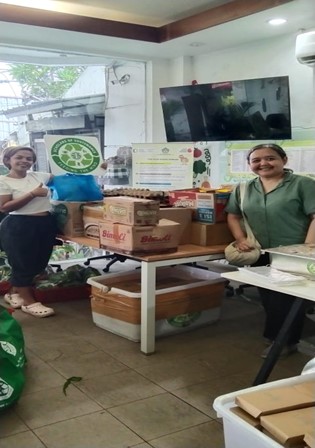
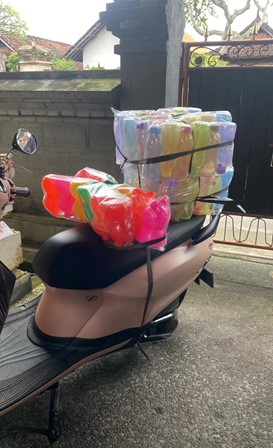
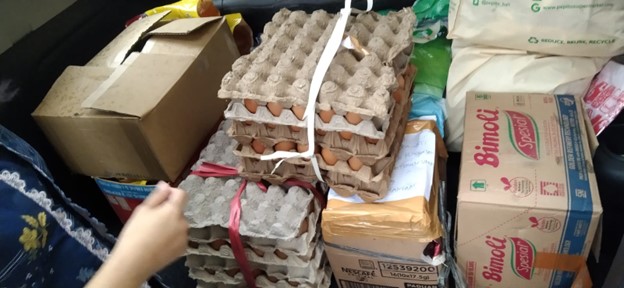
Faculty members from the Master’s and Bachelor’s Programs in Public Health (S2 and S1 IKM) at Udayana University, affiliated with the Department of Community and Public Health Medicine, recently demonstrated their commitment to addressing nutrition challenges among low-income populations living near the Suwung Final Disposal Site (TPA Suwung). Facilitated by Dinar Saurmauli Lubis and in collaboration with Scholars of Sustenance (SOS) Foundation, the faculty organized a campaign to collect funds, food supplies, and personal hygiene items under the initiative “1000 Meals = 1000 Smiles” via a dedicated WhatsApp group for staff.
The SOS Foundation (https://www.scholarsofsustenance.org/sosbali-indonesia) focuses on food rescue, partnering with hotels, supermarkets, and local farmers to redirect surplus food to vulnerable populations. Every week, SOS rescues and distributes approximately 14 tons of food, including ready-to-eat meals and staple ingredients such as rice and eggs. These supplies are then provided to residents near TPA Suwung and several orphanages in Denpasar. In addition to food distribution, the initiative includes nutrition education delivered by staff from the Nutrition Division and personal hygiene education led by the Health Promotion Division.
The faculty’s enthusiasm was evident in the volume of contributions received during this campaign. Collected materials will be prepared and distributed the following day, directly benefitting underprivileged communities in Denpasar and surrounding areas.
This initiative demonstrates the practical application of public health knowledge by faculty members, translating academic expertise into meaningful community impact. Beyond immediate assistance, the activity strengthens community engagement, inter-sectoral collaboration, and social responsibility, key values emphasized in the IKM programs. By actively participating in this outreach, faculty members model professional leadership and civic responsibility for students, while promoting nutrition, hygiene, and well-being in marginalized communities. This hands-on engagement exemplifies the university’s mission to integrate education, research, and community service, while reinforcing the societal relevance of public health practice.
Gallery

MEDICAL FACULTY