 EN
EN
 INA
INA
Enhancing Data Integrity and Academic Governance: MIKM Participates in UNUD’s PDDikti Reporting Workshop
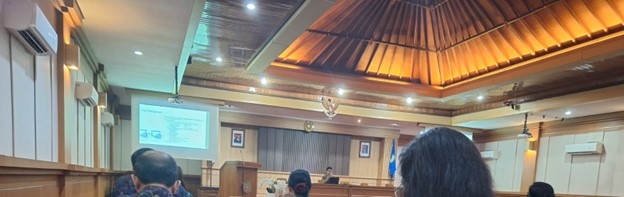
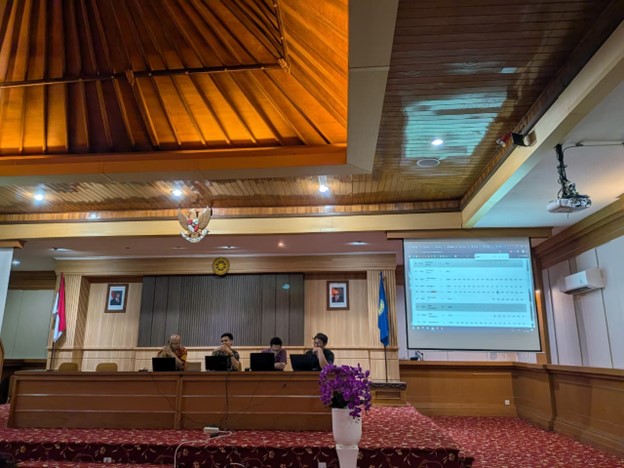
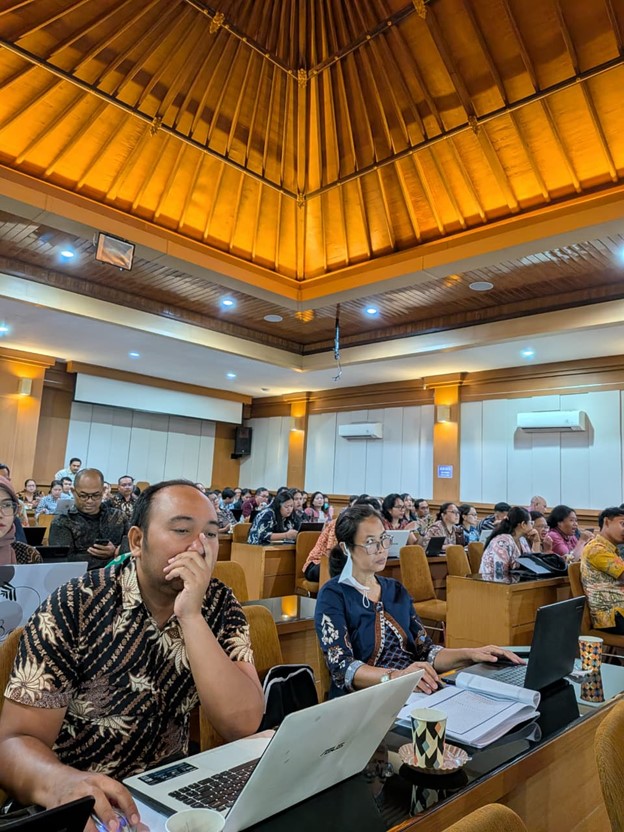
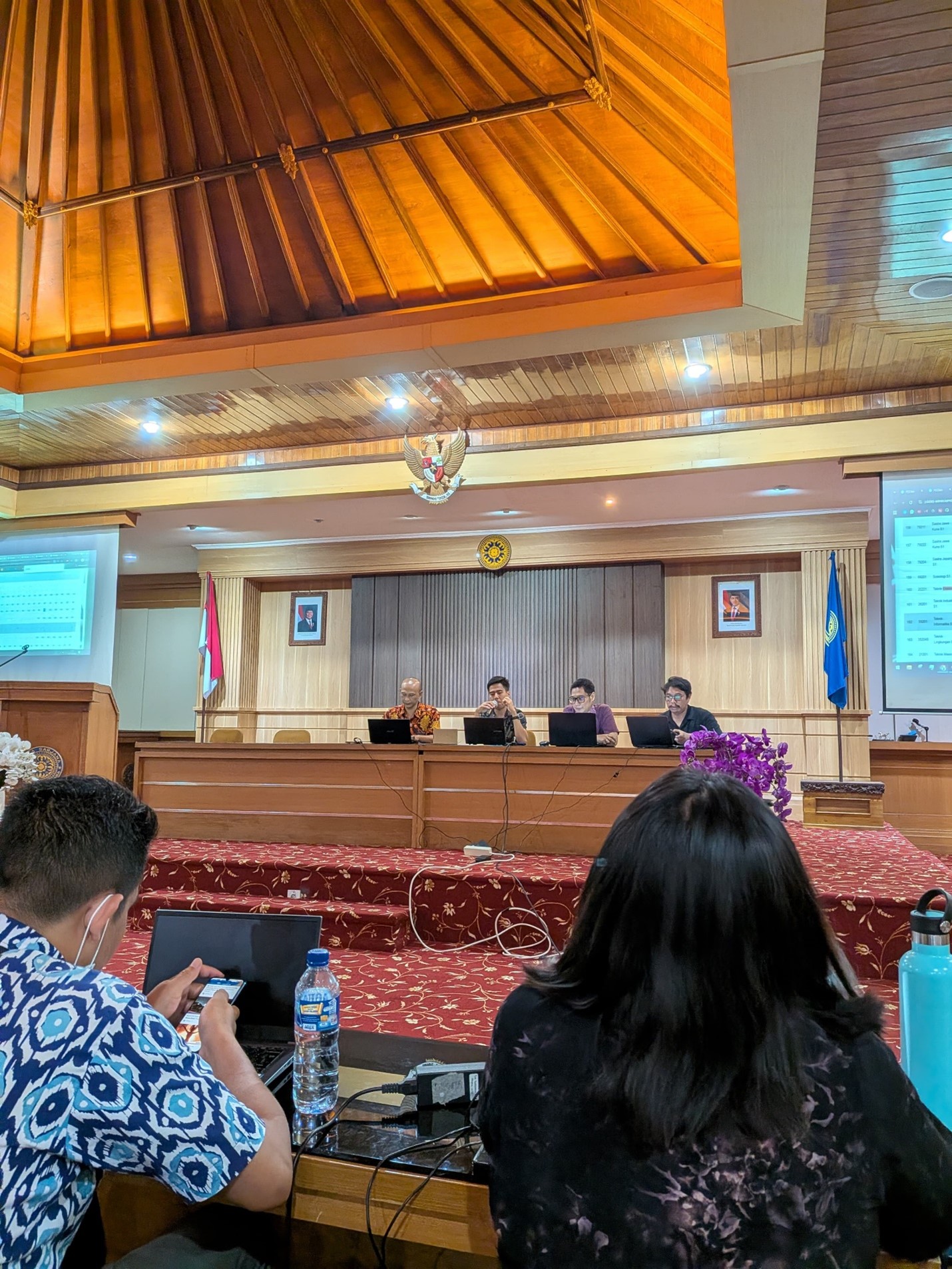
The Master of Public Health (MIKM) Program joined Udayana University’s two-day PDDikti Reporting Socialization and Evaluation Meeting held on 2–3 December 2025. In 2024, Udayana University achieved an impressive 99.3% reporting completion rate to PDDikti—one of the highest in its history. Despite this achievement, the university aims to reach 100% accuracy and completeness, a target that can only be accomplished through strong contributions from each study program.
PDDikti reporting focuses primarily on academic data, namely student records and lecturer information. Accuracy is the foundation of this system: student identity data, entered once upon enrollment, must be correct to allow downstream reporting of semester activities such as course registration, attendance, and grades.
During the workshop, program coordinators were reminded of the importance of understanding the data flow and responsibility chain. Student data recorded in SIMAK feeds into the university’s FEEDER system, managed by program operators, and subsequently enters the national Neo Feeder platform used by the Ministry of Education. Successful synchronization ensures that PDDikti receives accurate and timely institutional data.
The workshop also highlighted critical reporting issues. Cases such as mismatches between SIMAK and PDDikti, changes in grades made by lecturers without coordinating with operators, or unclear student status (e.g., inactive students exceeding four semesters without formal dropout decisions) may lead to significant administrative and accreditation challenges. Because PDDikti reporting is not continuous—only two reporting windows per semester—timeliness becomes essential.
On the second day, operators engaged in hands-on technical exercises using the PDDikti Admin and Neo Feeder systems. They practiced checking reporting periods, verifying missing student records, and conducting data submissions through the campus network. This practical component strengthened operators’ ability to detect and resolve data inconsistencies effectively.
This workshop provided substantial benefits to the MIKM Program and to UNUD as a whole.
It reinforced the importance of:
• Data accuracy and reliability, which serve as core indicators in institutional accreditation.
• Good academic governance, ensuring transparency and accountability in managing student records.
• Timely and coordinated reporting, preventing administrative discrepancies that may affect student rights, academic progression, and program evaluation.
• Capacity building for staff and coordinators, enhancing their technical competencies and understanding of national reporting standards.
• Alignment with the program’s vision and mission, particularly in maintaining high-quality academic processes that support student success and institutional credibility.
Through active participation, the MIKM Program demonstrates its
commitment to continuous improvement, robust data management, and
compliance with national higher education policies—key foundations for
delivering a reliable and internationally competitive academic
environment.
Gallery

MEDICAL FACULTY