 EN
EN
 INA
INA
Continuous Quality Improvement: Internal Audit at the MPH Program, Faculty of Medicine, Udayana University
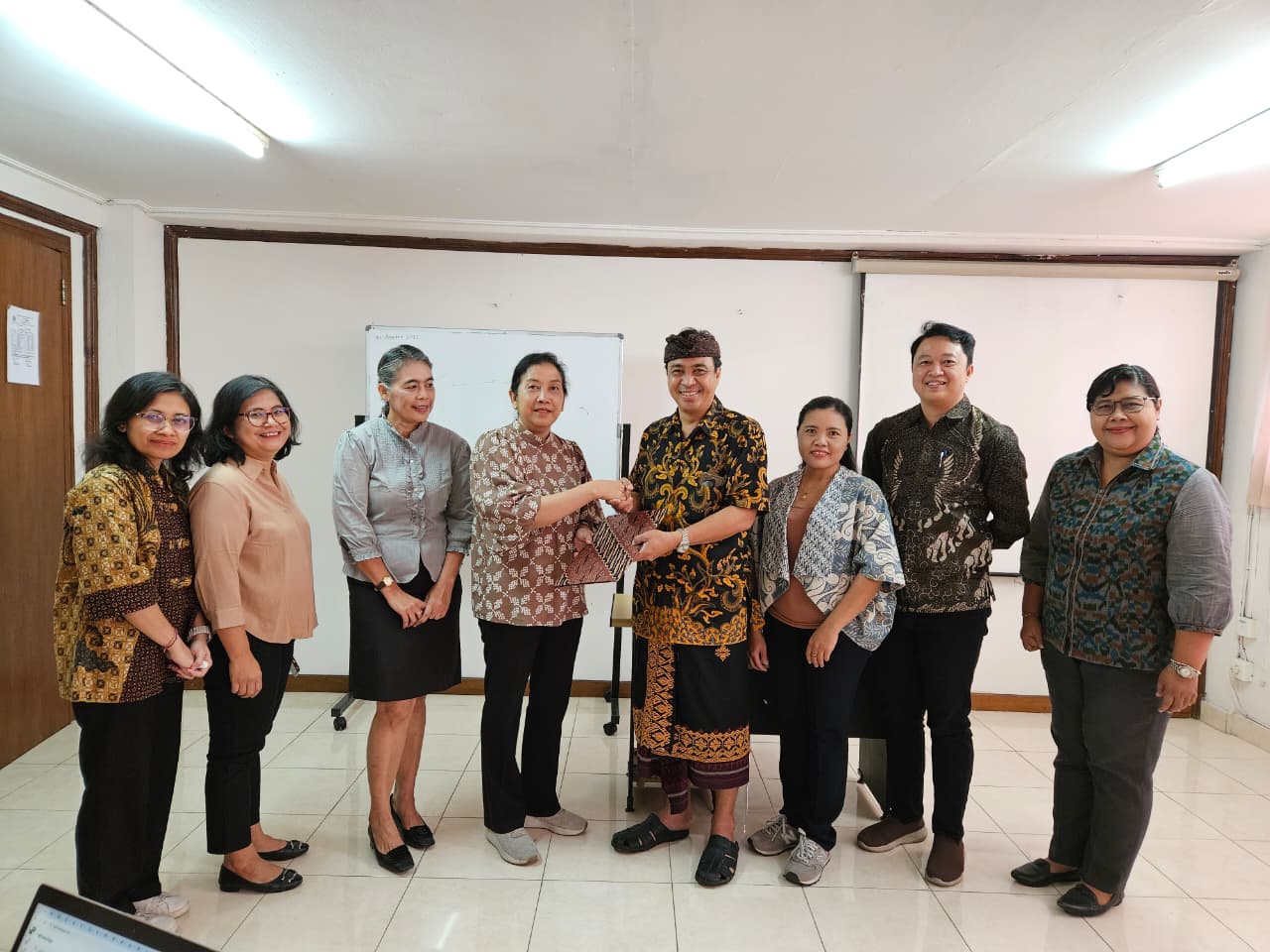
Udayana University, through its quality assurance team, conducts internal audits across its study programs at least once a year as part of ongoing efforts to maintain and enhance academic quality. In addition to regular guidance and mentoring activities, these audits serve as an essential mechanism to monitor and improve program performance.
On 25 September 2025, the MPH Program (S2 IKM) received the Internal Quality Audit (AMI) team, represented by the Program Coordinator, Dr. Anak Agung Sagung Sawitri, the program’s quality assurance officer, Dinar Saurmauli Lubis, and faculty members based at the MPH program, including Dr. Luh Seri Ani, Dr. Ni Putu Widarini, and Dr. Ketut Sutiari. The AMI team was led by Dr. Muliarta, accompanied by Dr. Nurse Ika Widi Astuti and Nurse Kadek Eka Swedarma.
This year’s audit primarily focused on follow-up actions from the 2024 audit findings to ensure the MPH program had implemented corrective and improvement measures. Notable progress included updates to the Strategic Plan 2025–2029, although still in draft form pending university approval, improvements in the new student selection system, and monitoring and evaluation processes to ensure students graduate on time according to the standards outlined in the strategic plan. Areas requiring further attention include mapping and developing a blueprint for course assessment and evaluating research outcomes from students and faculty to align with the program’s research and community service roadmap.
Despite the improvements, some longstanding concerns remain, including the need for enhanced facilities, infrastructure, and institutional support from the Faculty of Medicine and the University, which are essential to achieving the program’s fourth strategic goal: nationalization and internationalization.
This internal audit highlights the MPH program’s commitment to continuous quality improvement, ensuring that processes, curriculum, and research activities remain aligned with national and international standards. It also strengthens the program’s vision and mission by fostering accountability, academic excellence, and evidence-based management, while providing actionable insights to enhance student learning, faculty development, and institutional performance.

MEDICAL FACULTY