 EN
EN
 INA
INA
Co-Developing Climate-Sensitive Diagnostic Tools: Udayana–ANU Collaboration Advances Syndromic Surveillance for Acute Febrile Illnesses in Primary Care
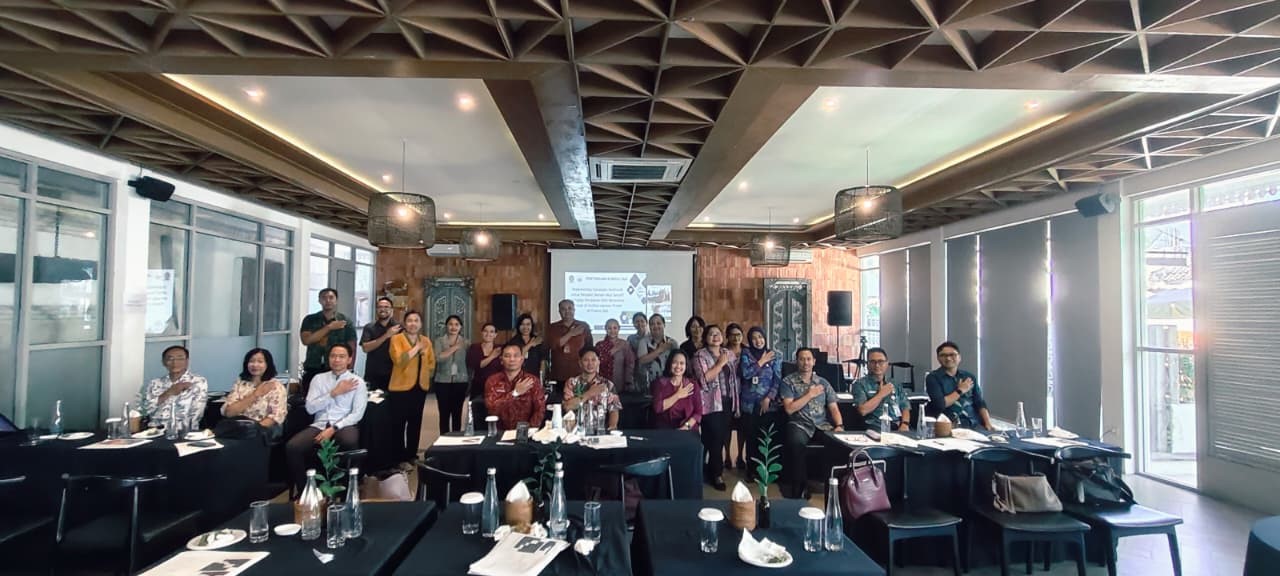
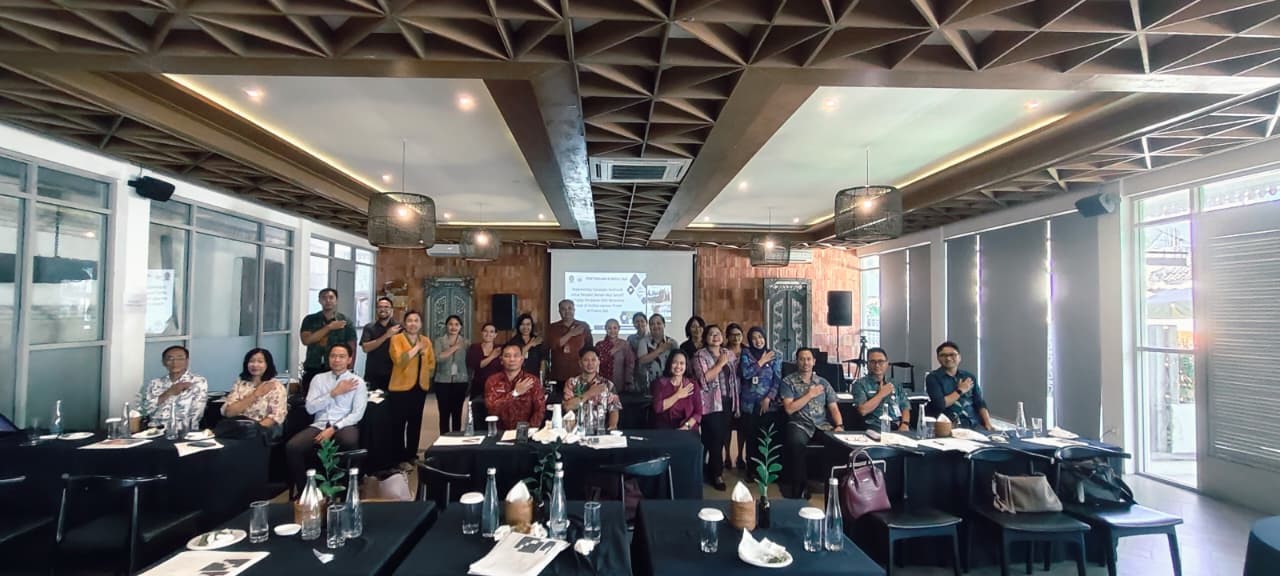
A second stakeholder consultation workshop for the development of climate-sensitive diagnostic instruments for acute febrile illnesses in primary care was conducted on 8 May 2026. The activity forms part of a collaborative research initiative between the PRIME Center, Universitas Udayana, and the Australian National University, focusing on the development of syndromic surveillance approaches for climate-sensitive diseases in primary healthcare settings.
The workshop brought together a broad range of stakeholders, including paediatricians, internal medicine specialists, representatives from the Provincial Health Office, district health offices from Denpasar, Badung, Jembrana, and Karangasem, as well as representatives from ten primary health centres (Puskesmas) across the participating districts. Researchers from the primary care team of the PRIME Center, Universitas Udayana, facilitated the activity as part of the ongoing research process.
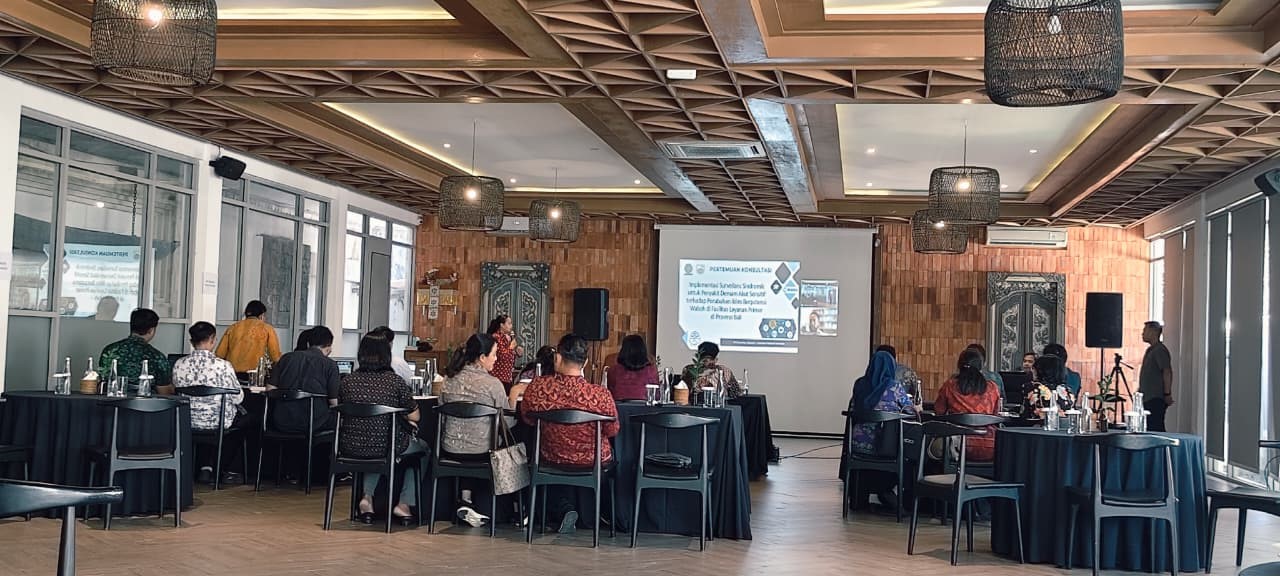

The meeting revisited findings from the first consultation stage, particularly the identification of diagnostic indicators for five acute febrile illnesses that are relevant in climate-sensitive settings: dengue, typhoid fever, rickettsial infection, chikungunya, and leptospirosis. Discussions during the second consultation focused more specifically on refining the draft diagnostic instruments developed by the PRIME Center research team for use in primary care and identifying practical strategies for study implementation.
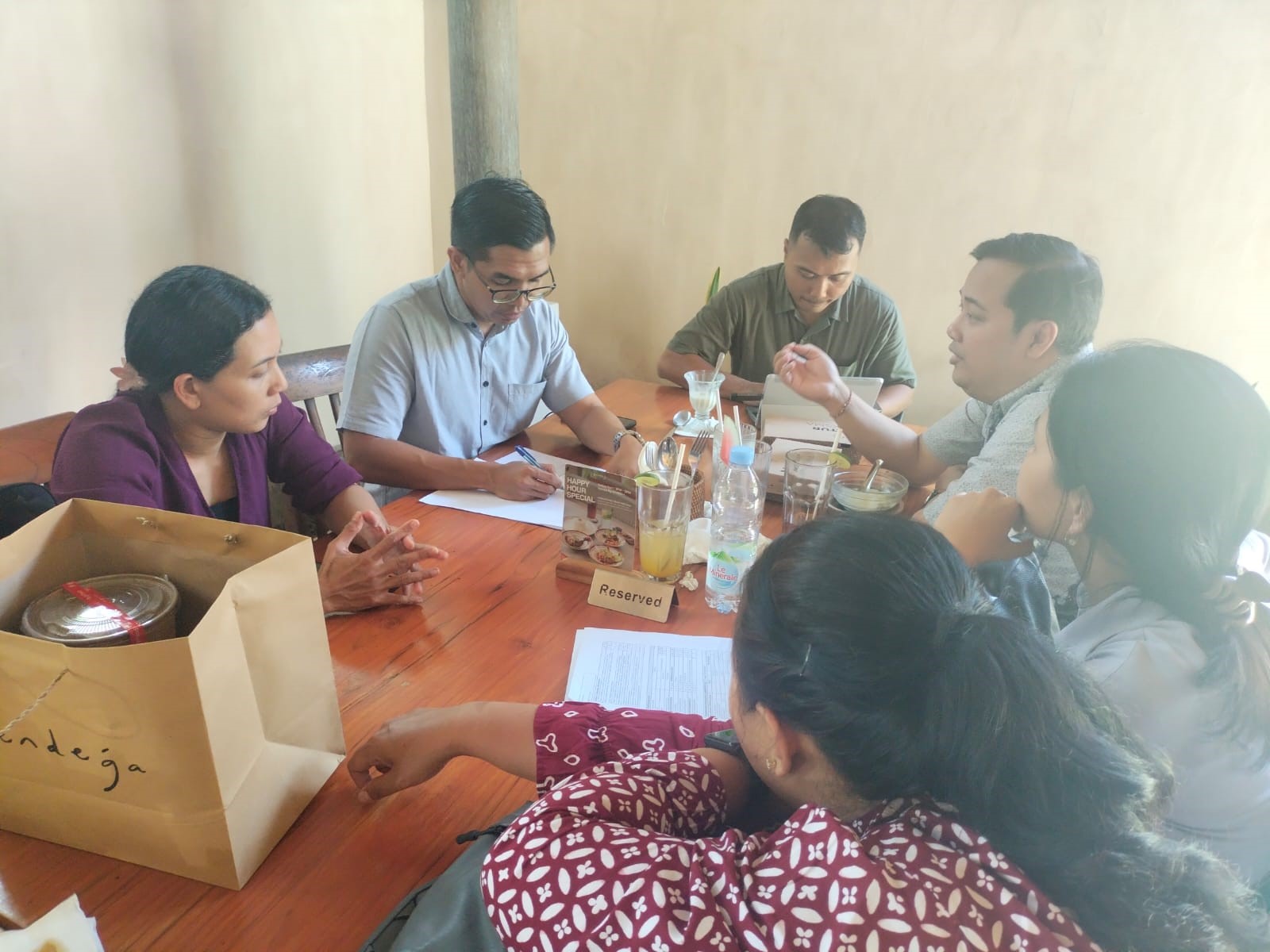
Following the consultation, the research team conducted an internal review to discuss stakeholder feedback and refine implementation strategies, including the development of training materials for healthcare workers planned for May 2026. By actively involving clinicians, frontline healthcare providers, and health authorities in the instrument development process, the study aims to improve the feasibility, relevance, and acceptability of future implementation in routine primary care settings.
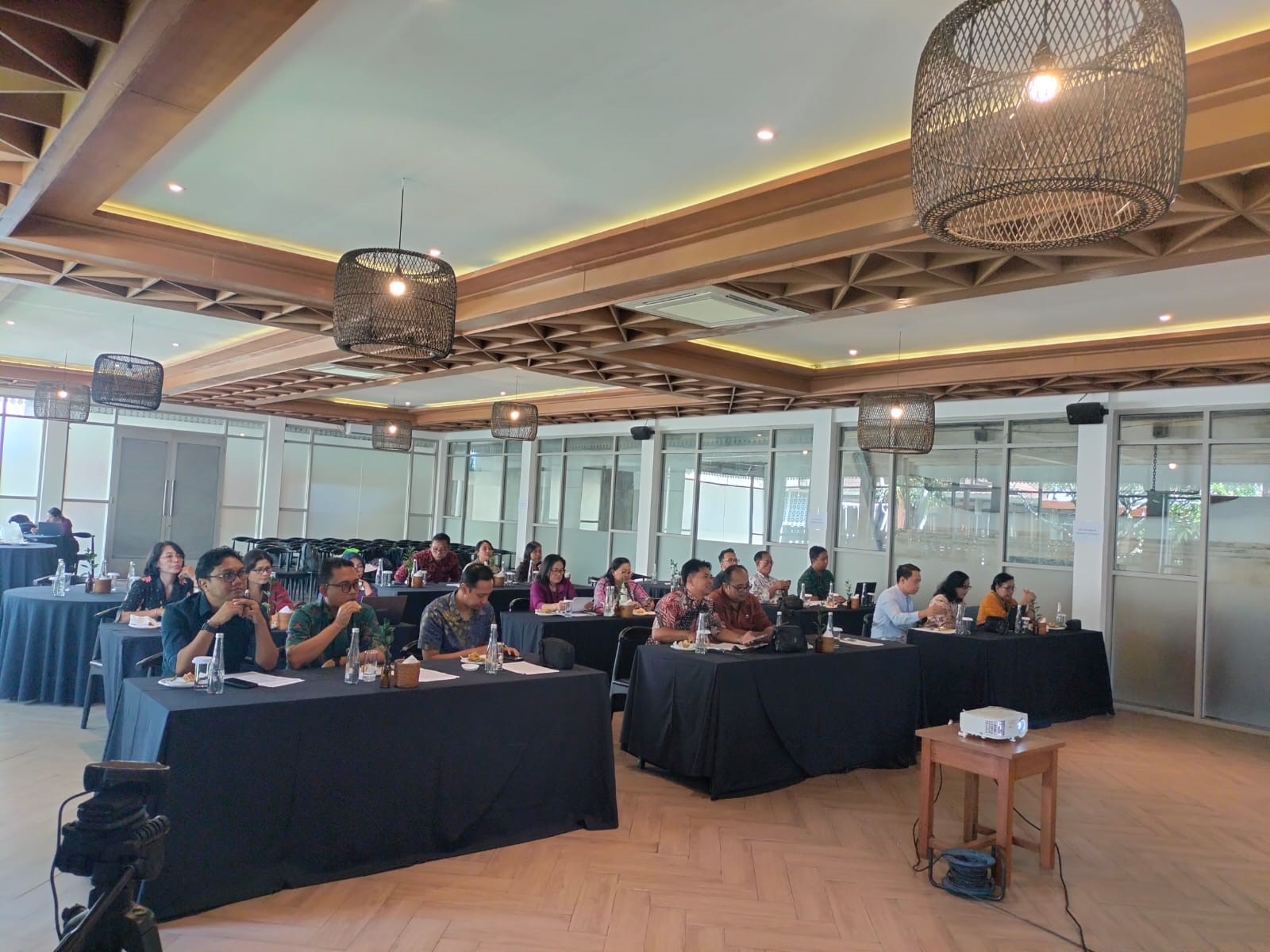
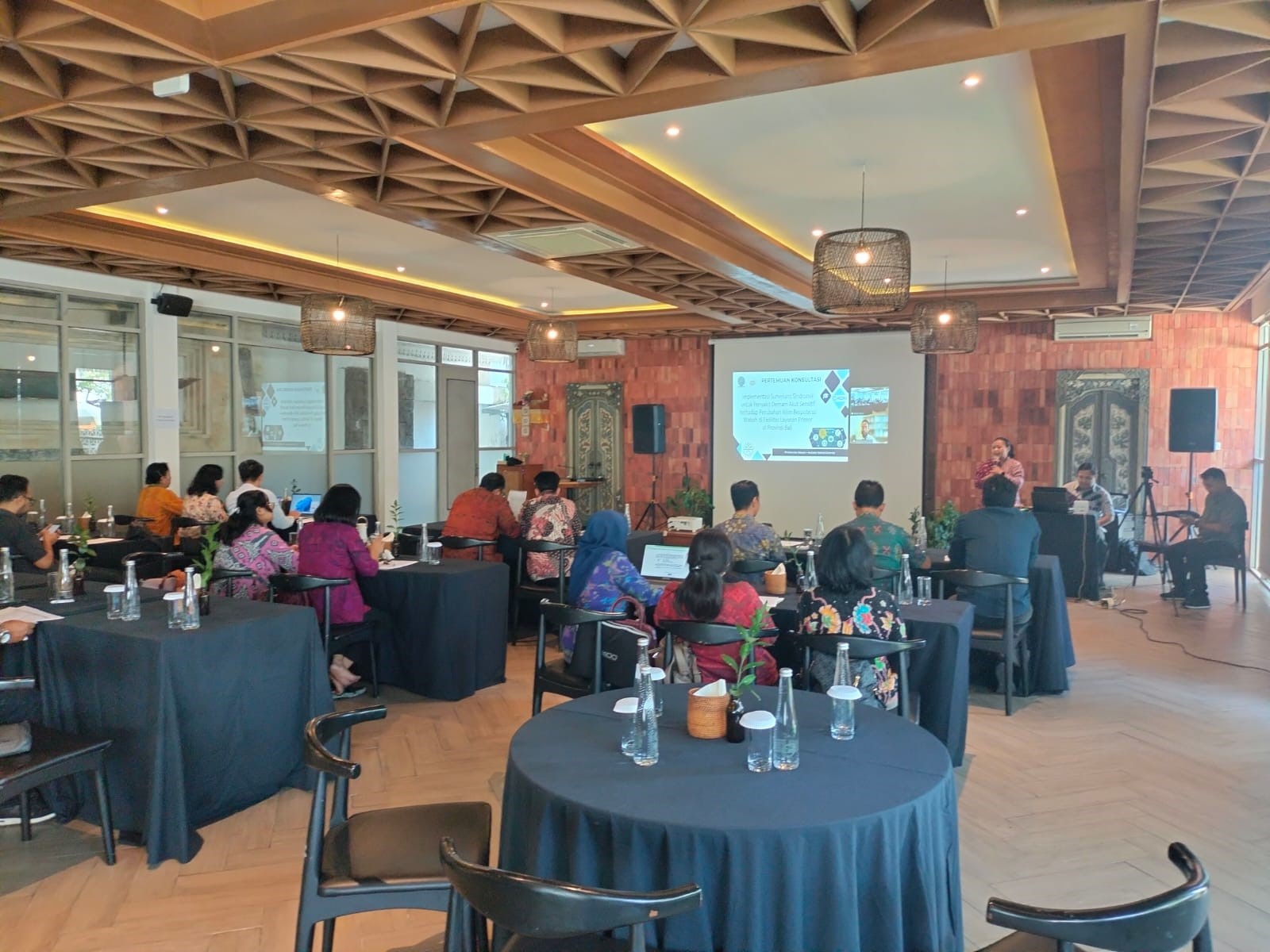
Beyond the technical outputs, the initiative highlights the importance of collaborative development in strengthening public health innovation. The consultation process not only contributes to the refinement of diagnostic and surveillance tools, but also fosters stronger cross-sectoral collaboration among clinicians, public health practitioners, researchers, and policymakers. Such engagement is expected to support more context-sensitive approaches to the early detection of febrile illnesses, particularly in areas increasingly affected by climate-related health risks.
From an educational perspective, the initiative also creates valuable opportunities for learning and capacity strengthening. Through involvement in research implementation, interdisciplinary discussion, and stakeholder engagement, academic and research teams gain practical experience in translational public health research—bridging scientific evidence, service delivery realities, and health system needs. This aligns closely with competency development in implementation research, collaborative problem-solving, and evidence-informed public health practice.
Gallery

MEDICAL FACULTY