 EN
EN
 INA
INA
BPOM Conducts Inspection of Hepatitis B Vaccine Clinical Trial Managed by the MIKM Program
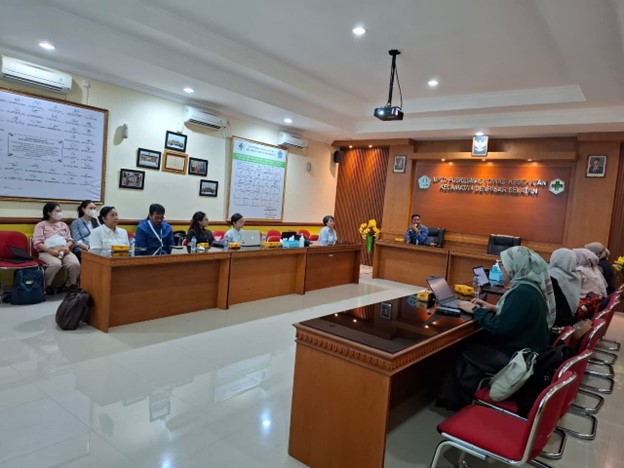
The Master of Public Health (MIKM) Program at Udayana University is currently managing a Hepatitis B vaccine clinical trial, conducted in collaboration with Bio Farma, Indonesia’s national vaccine manufacturer. The study has been underway from September to December 2025, with participant recruitment facilitated through Puskesmas Denpasar Selatan I. The public health center plays a central role in community outreach, participant enrollment, and vaccine storage, supported by its communications team, midwives, and nurses. In addition, Prodia Laboratory serves as the partner responsible for blood sample collection and processing.
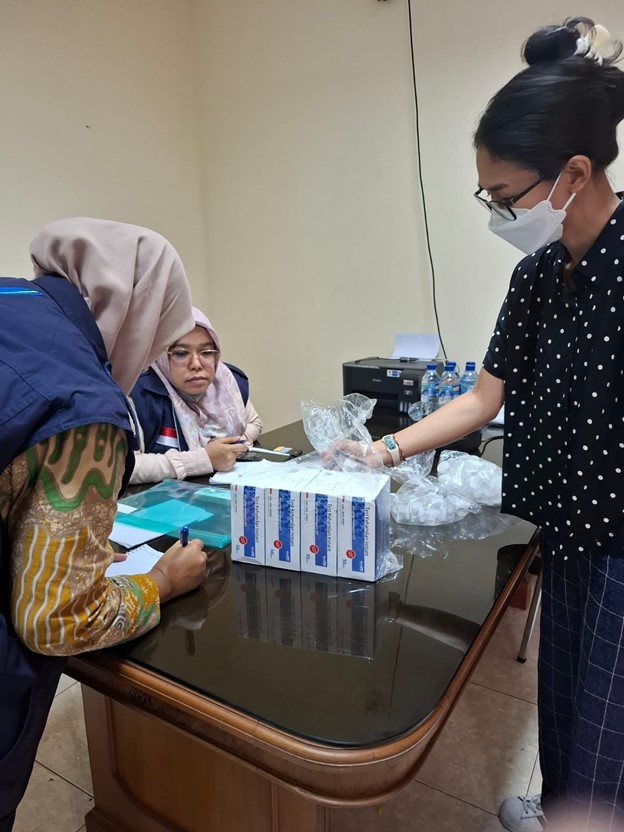
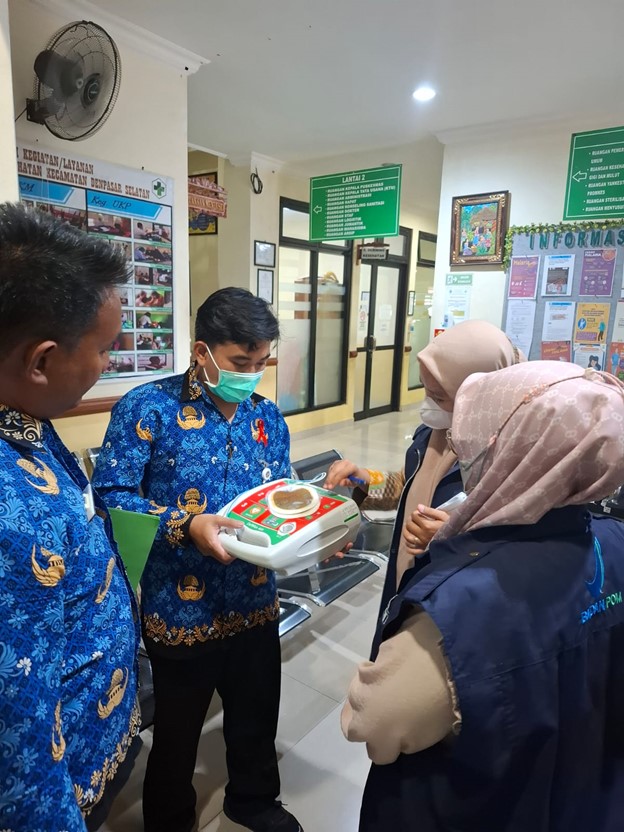
To ensure that the trial adheres to Good Clinical Practice (GCP) and maintains the highest standards of research quality, the Indonesian National Agency of Drug and Food Control (BPOM) conducted an official inspection from 1–3 December 2025. The assessment covered three key sites: The MIKM Program as the coordinating study center, Puskesmas Denpasar Selatan I as the recruitment and vaccination site, and Prodia Laboratory as the biological sample handler.
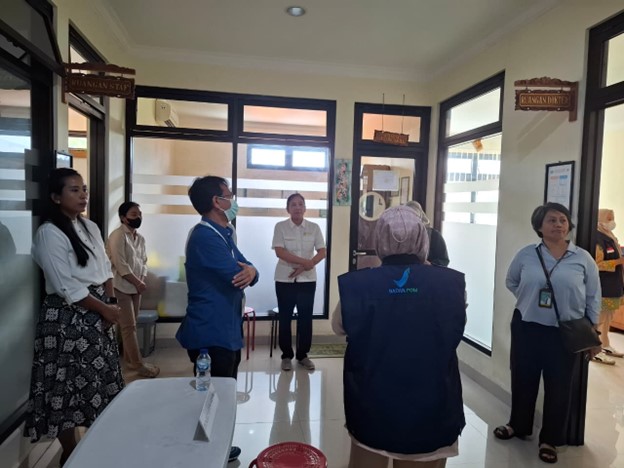
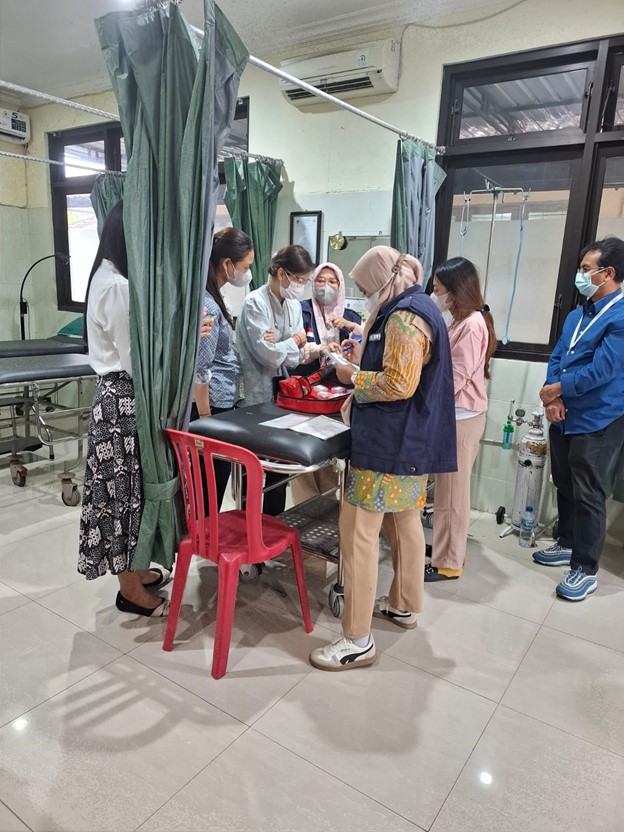
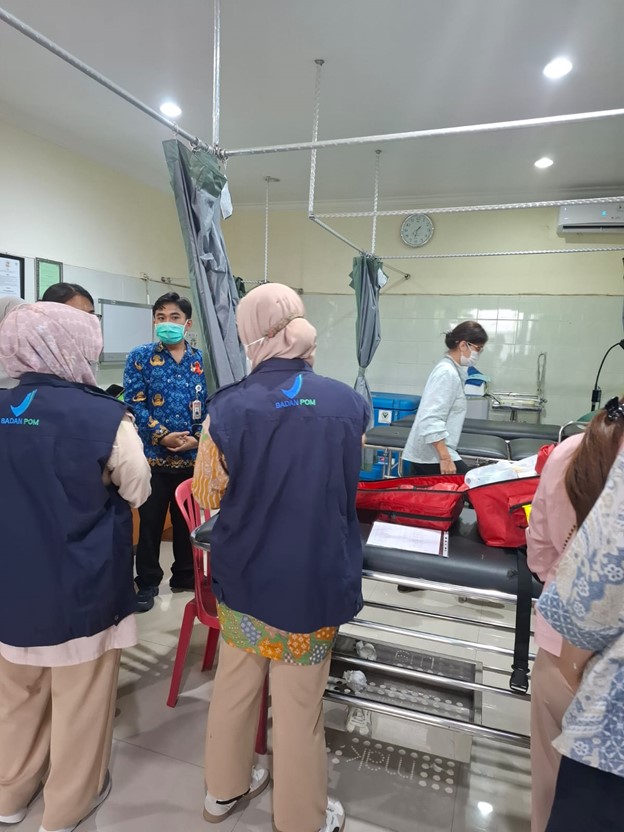
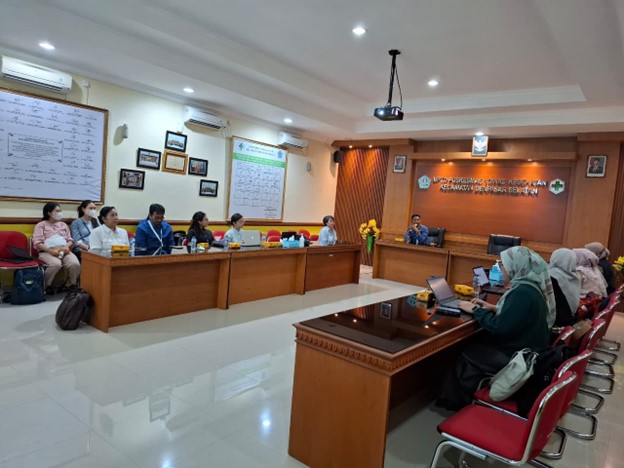
The visit began with an opening session at the Puskesmas meeting hall, led by the Principal Investigator dr. Trisna Windiani, Sp.A(K). This was followed by a structured facility tour, where BPOM officers evaluated compliance with study procedures and held focused discussions with the research team at each checkpoint. Additional discussions continued throughout the afternoon. On the second day, the BPOM team relocated to the Faculty of Medicine building to review study documentation stored at the university.
While certain findings and areas for improvement were identified—as expected in any GCP inspection—the process offered invaluable learning opportunities. The inspection strengthened institutional discipline in research practice, improved documentation procedures, and reinforced adherence to ethical and regulatory standards.
Importantly, the experience benefited not only Udayana University but also Puskesmas Denpasar Selatan I, which serves as a key community partner. The inspection encouraged capacity strengthening among health center staff in vaccine research operations, sample handling, cold-chain management, and participant flow organization. It also strengthened trust and collaboration between academic institutions, healthcare providers, and national regulators.
Institutional Meaning for the MIKM Program
For the MIKM Program, this inspection holds significant value as it reinforces the program’s commitment to high-quality, ethical, and compliant clinical research and enhances the institution’s readiness for future collaborations with national and international research partners. Importantly, it contributes to accreditation indicators related to research governance, community engagement, quality assurance, and partnership development. As well, it provides real-world training exposure for research teams, strengthening the program’s internal capacity for managing health interventions and field-based studies. Finally, it demonstrates how the program contributes to national vaccine development efforts—aligned with its mission to advance public health through evidence-based practice and collaboration.
Through this inspection, the MIKM Program reaffirms its dedication to continuous quality improvement, transparent research processes, and meaningful partnerships that support public health innovation in Indonesia.
Gallery

MEDICAL FACULTY