 EN
EN
 INA
INA
UNUD MPH Students Actively Contribute to Measles Outbreak Response in Pamekasan
Pamekasan Regency, East Java, has experienced a significant increase in measles cases in recent weeks, meeting the criteria for a Public Health Emergency (KLB) as regulated under Law No. 17 of 2023 on Health. This situation requires a rapid and coordinated response to interrupt transmission chains, limit the risk of new cases, and ensure that control measures are implemented according to epidemiological standards. Local authorities have strengthened outbreak management efforts by engaging healthcare personnel as well as academic experts, including university programs.
As part of academic support for outbreak control, the Master of Public Health (MPH) Program, Faculty of Medicine, Udayana University, through the Field Epidemiology Training Program (FETP), deployed two students, I Made Jana Darmika and Wayan Erik Hendrawan, from 11–17 September 2025. The deployment aimed both to enhance epidemiological technical capacity in the field and to provide practical learning opportunities for the students.
|
|
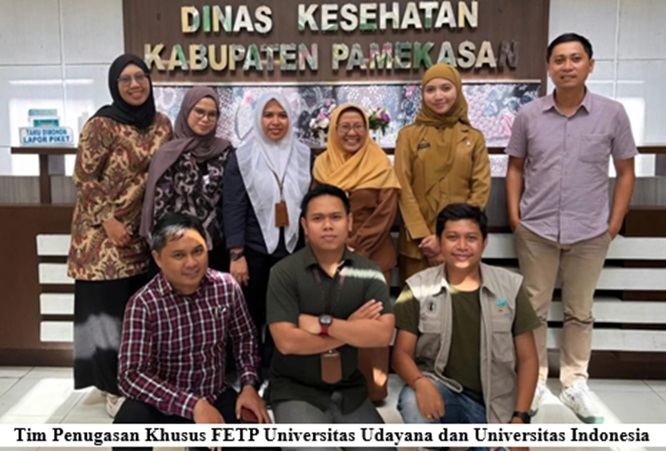
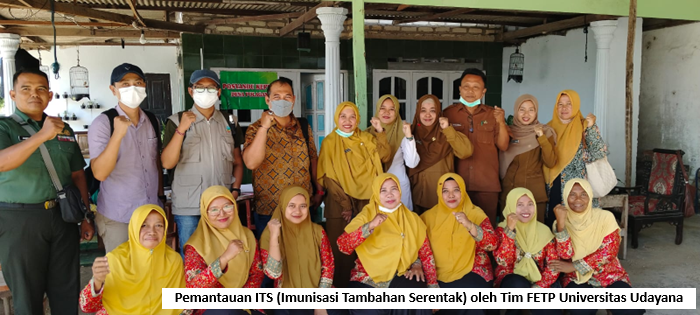
The outbreak response in Pamekasan also involved three FETP students from Universitas Indonesia, strengthening collaboration between leading universities to support public health interventions in the affected area. Field activities were conducted under the supervision of Dr. Sholikah, M.Epid, FETP mentor at BKK Class 1 Probolinggo, and Dr. Sang Gede Purnama, S.KM., M.Sc, faculty member at UNUD, who provided technical guidance and academic oversight.
|
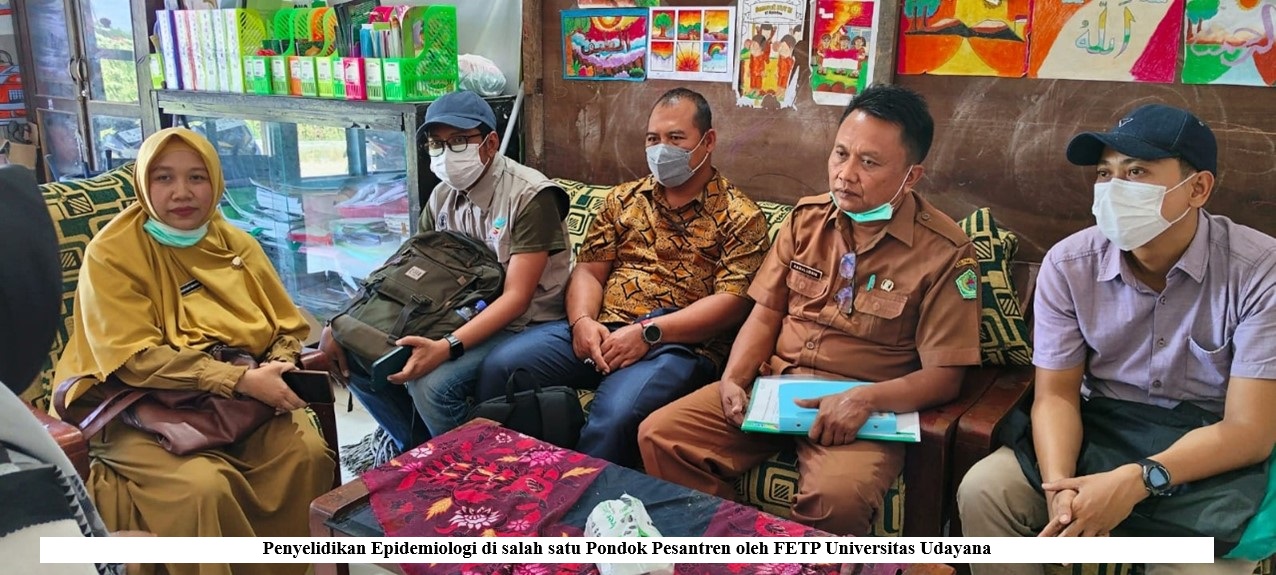
During the assignment, the students conducted epidemiological investigations of reported measles cases, monitored activities in Puskesmas, hospitals, and clinics, and reviewed hospital records to ensure case data met standard criteria. They also compiled daily situation reports, which were crucial for rapid decision-making by health authorities. When outbreak response immunization (ORI) activities were implemented in the area, students assisted in monitoring vaccination coverage, integrating their role into the early detection and rapid response system.
|
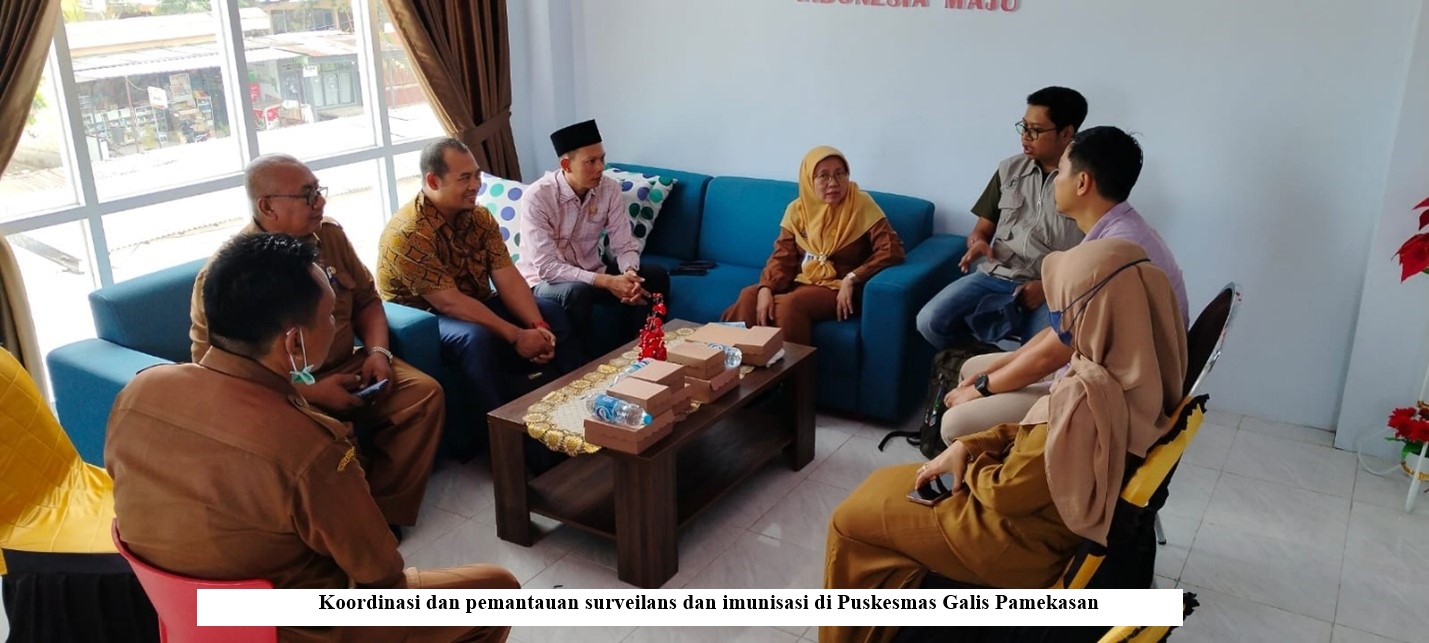
Based on field observations and active participation, UNUD FETP students offered several recommendations to strengthen epidemiological response in Pamekasan. These included improving the surveillance and reporting system across all health facilities to accelerate data consolidation, enhancing human resource capacity by appointing dedicated surveillance officers, and developing standard operating procedures (SOPs) for active surveillance. Students also emphasized the importance of integrated reporting networks between primary care and hospitals to ensure timely and accurate epidemiological information. On the technical side, optimizing Supplementary Immunization Activities (SIA) through cross-sectoral coordination—particularly with the Department of Education and Ministry of Religious Affairs—was proposed, considering many cases occurred among school-aged children. Ensuring adequate logistical support, such as WHO-standard cool boxes for vaccine storage and transport, was also highlighted.
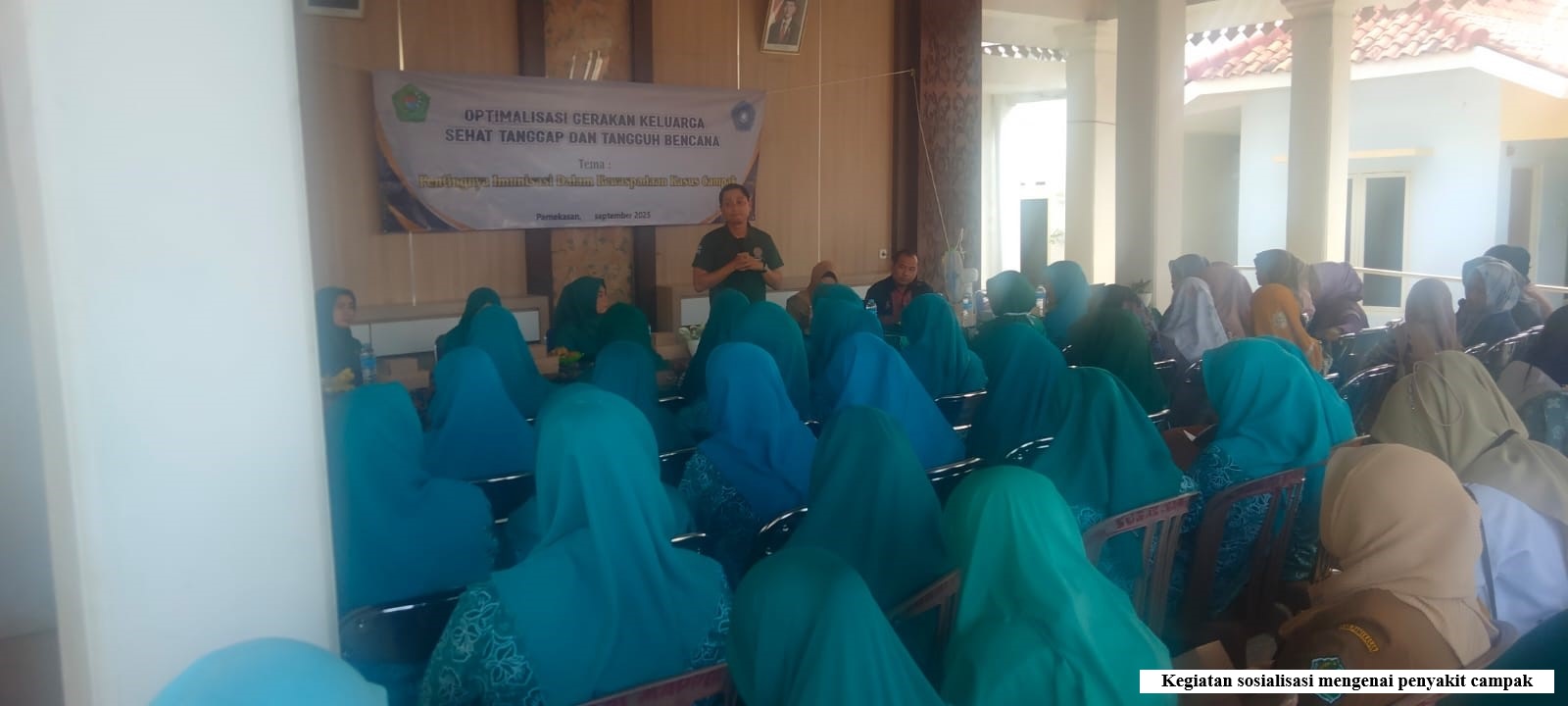
This deployment not only represents a tangible contribution from Udayana University to Indonesia’s national health system but also provides invaluable hands-on learning for students. Participation in the measles outbreak response allows them to experience field epidemiology firsthand, strengthen inter-sectoral collaboration, and contribute meaningfully to effective control measures. More broadly, the activity demonstrates that collaboration between universities, health professionals, and local authorities can deliver a comprehensive and coordinated response to public health threats. It reflects the MPH program’s commitment to producing competent, adaptive, and socially responsive public health professionals while reinforcing the program’s vision and mission and meeting standards relevant to accreditation.
|
|
|
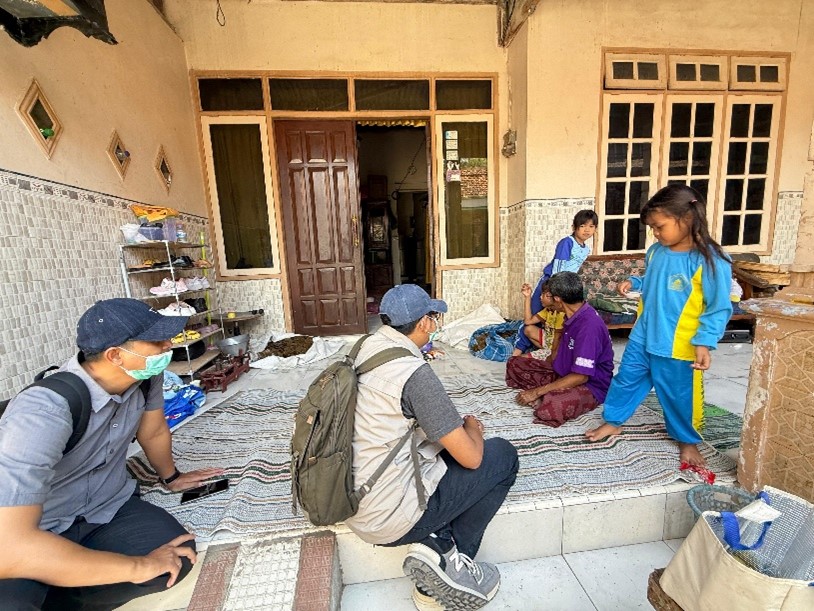
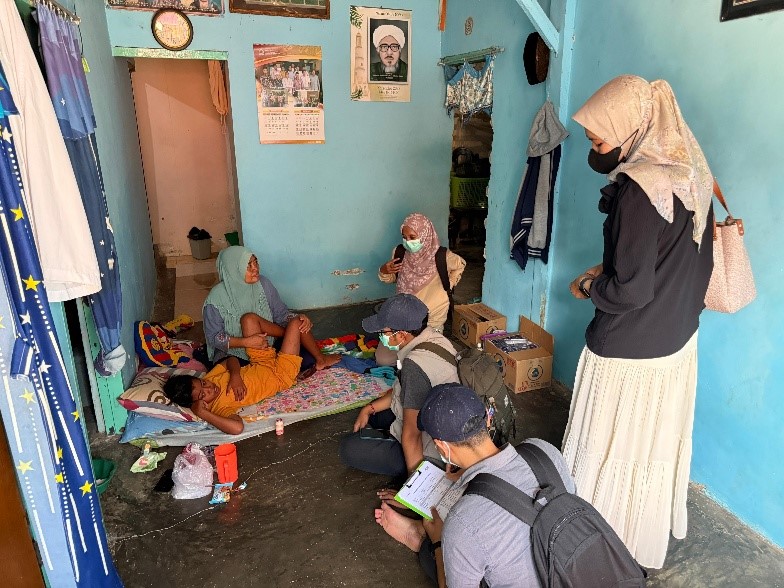
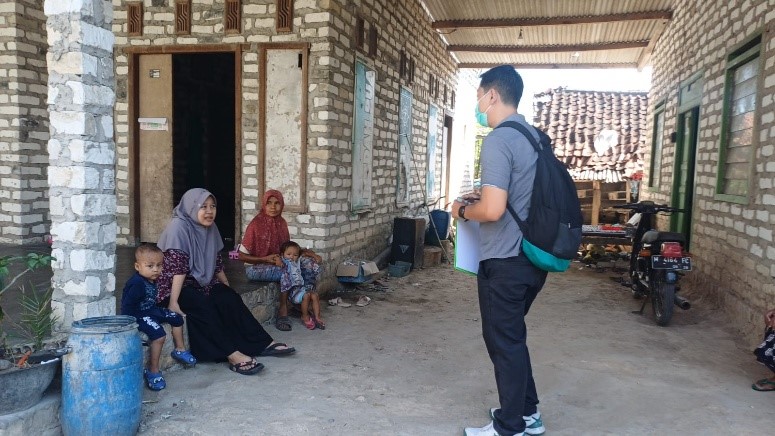
(Photo : Epidemiological Investigation by the FETP team of Udayana University)

MEDICAL FACULTY